
Last updated October 17, 2026
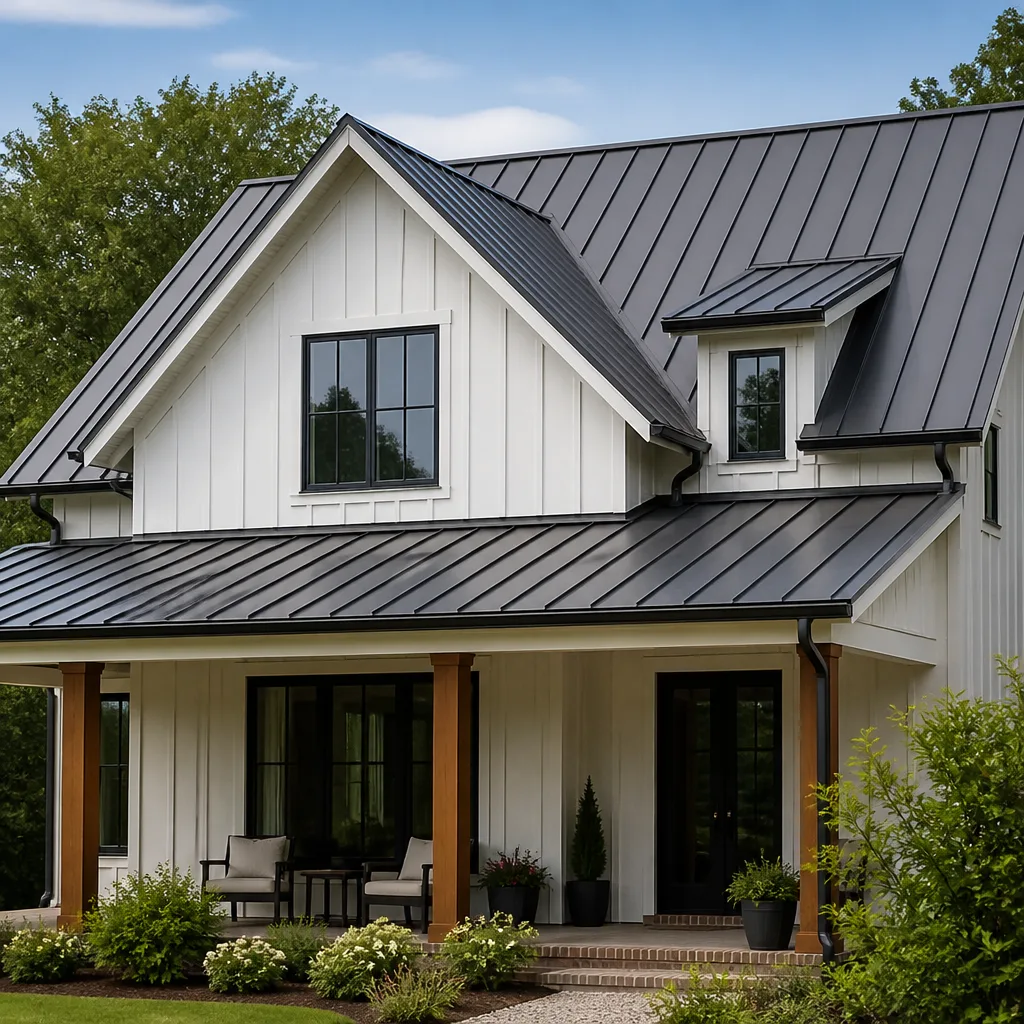 Metal roofing
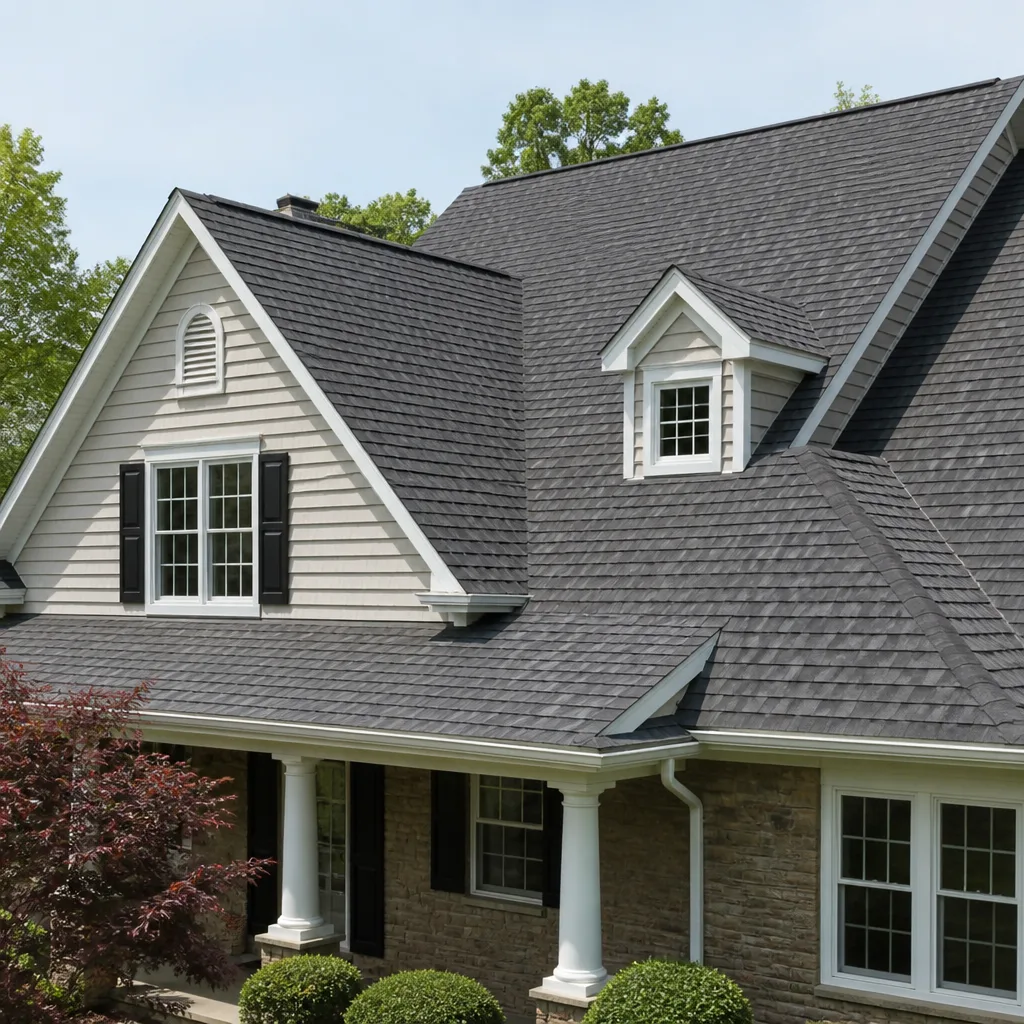 Architectural shingles
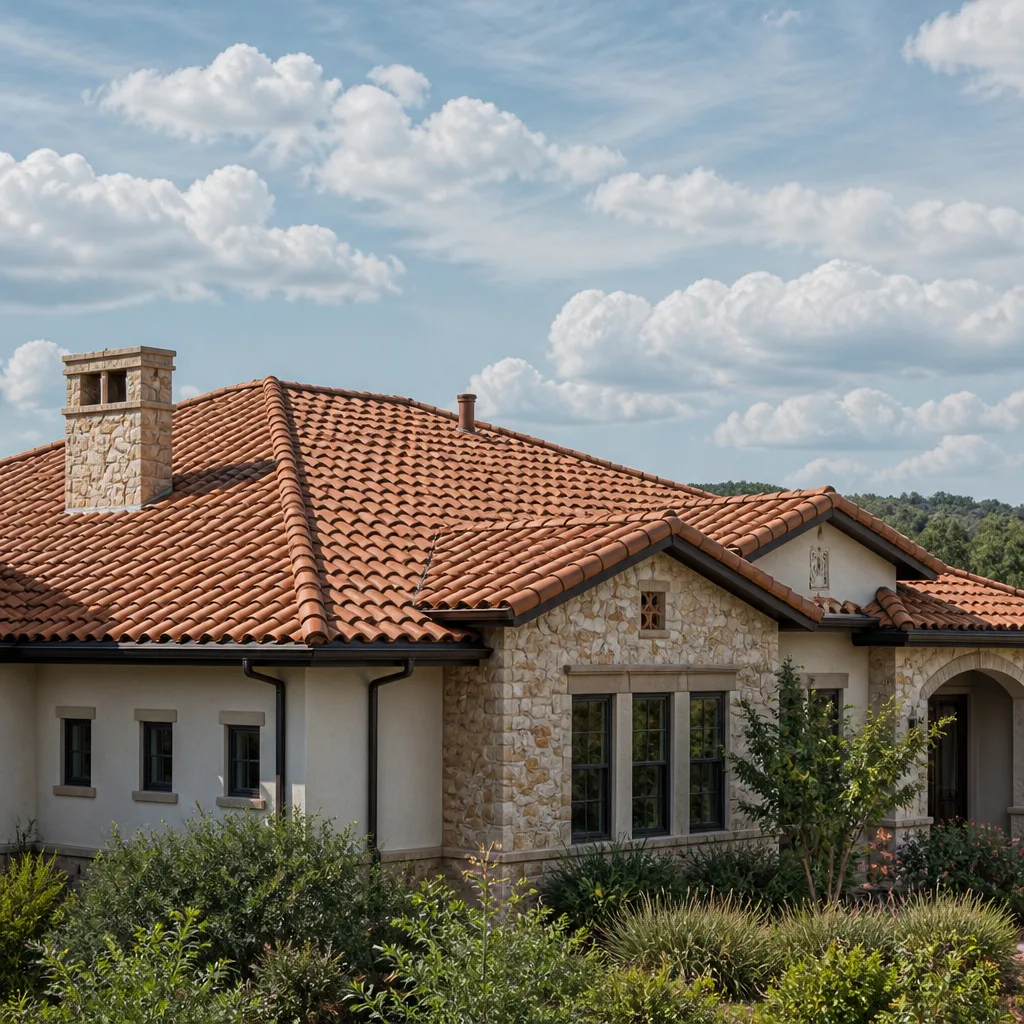 Tile roofing
 GAF
GAF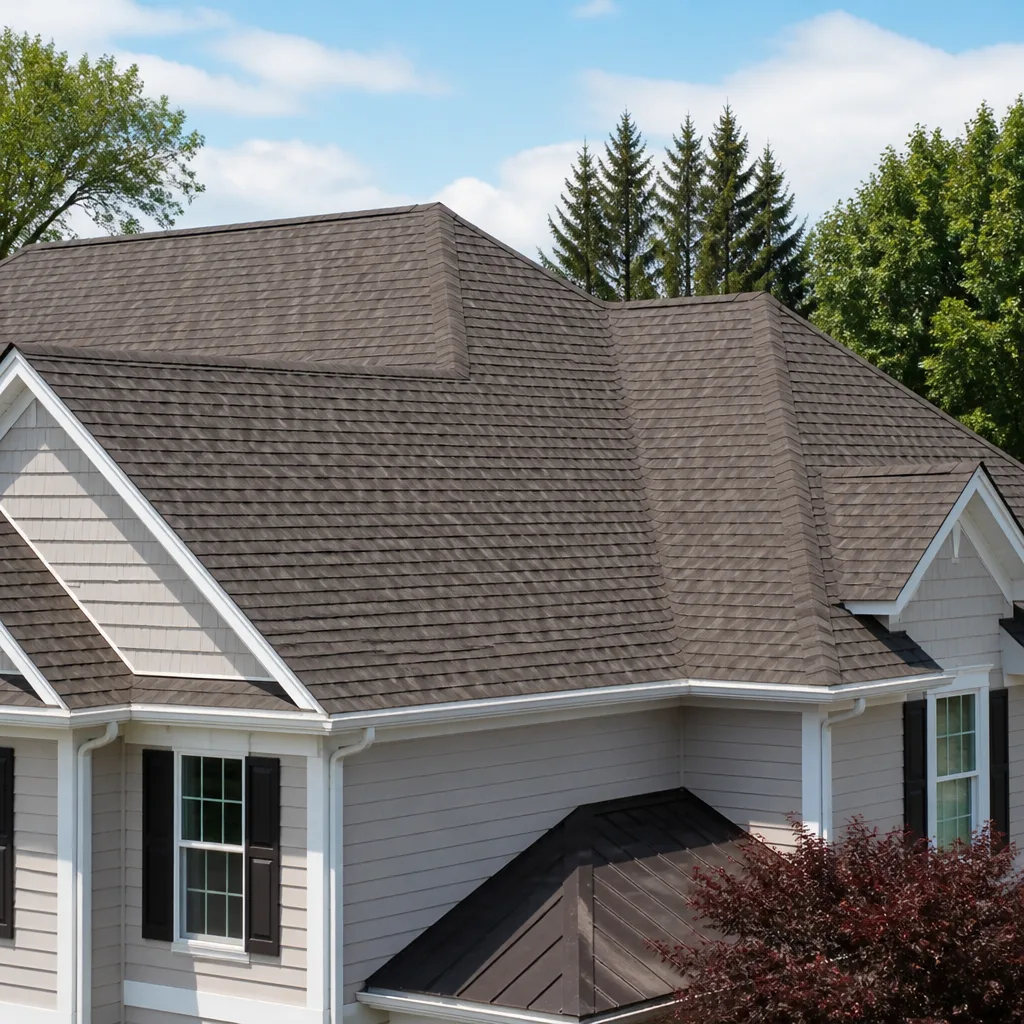 Owens Corning
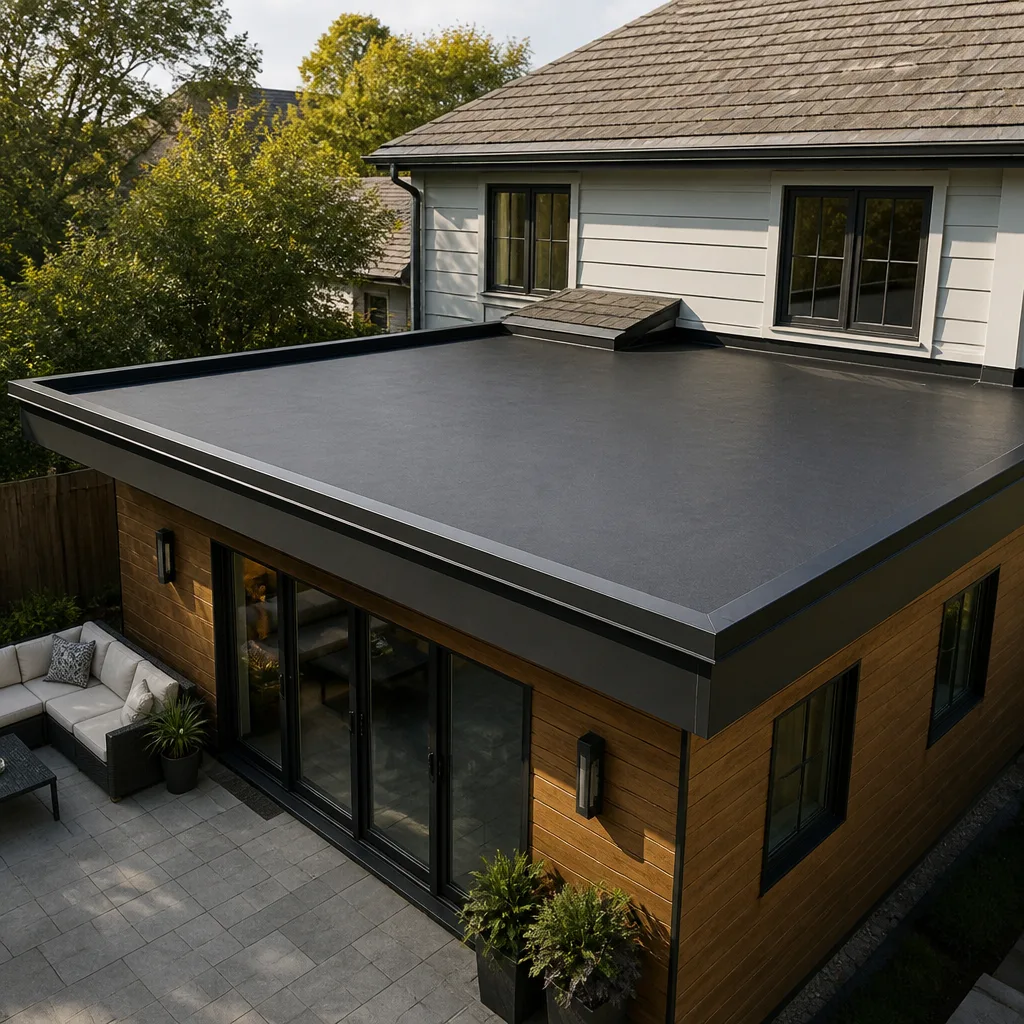 Flat & low-slope
Free roof inspection with deck photos before we talk money - GAF and Owens Corning certified installation
Roofing Cost Breakdown: The Riverside Homeowner’s Reference for 2026
Walk any street in the Wood Streets neighborhood or up through Canyon Crest and you’ll see the same thing: three neighbors with nearly identical houses, each of whom paid a different price for a new roof. One got a bargain, one got a fair deal, and one got robbed. The difference between all three isn’t luck. It’s whether they could read a roofing quote line by line. In Riverside, bids on the same size roof routinely spread $4,000 apart, and the homeowner who can’t decode the line items defaults to picking the lowest number. That’s how contractors who skip steps get hired. This guide breaks every cost component apart so you can tell the difference between a fair price and a shortcut before you sign, and you can explore more guides & resources on our blog.
Quick Answer
A full roof replacement in Riverside in 2026 typically runs $9,500 to $28,000 depending on roof size, pitch, material, and structural condition, with asphalt shingle averaging $520 to $760 per square (100 square feet) installed and concrete tile running $1,150 to $1,600 per square installed. Repairs on a localized problem usually fall between $350 and $1,900. The single most important line item to verify is what happens with decking replacement if rot is found, because that’s where the biggest surprise additions happen, and you’ll want to understand Roofing Permits, Codes & Inspections in CA: What You Need to Know before work begins.
Styles & brands we work with
Table of Contents
- Material Costs by Roof Type: What Riverside Homes Actually Pay
- Labor Variables: Pitch, Stories, and Why Your Neighbor Paid Less
- The Line Items Most Bids Bury or Omit
- Warranty Math: Why a Cheap Install Costs More by Year Ten
- What a Fair Payment Schedule Looks Like in California
- How to Read a Riverside Roofing Quote in 10 Minutes
- Common Mistakes to Avoid
- When to Call a Professional
- Frequently Asked Questions
Written by Greg Holloway, Owner at Tilehurst Roofing Riverside home, serving Riverside since 2000.
Material Costs by Roof Type: What Riverside Homes Actually Pay
Roofing material prices in Riverside shifted upward again in 2026, but not evenly across the board. Asphalt shingle pricing has stabilized after a two-year climb, while clay and concrete tile have held steady because California manufacturing of roof tile absorbs less freight cost than materials shipped from the East Coast. Here’s what you should expect per square, which is roofing shorthand for 100 square feet of roof surface. A 2,000-square-foot house often has 2,300 to 2,800 square feet of roof area once you account for pitch and overhang, so multiply accordingly.
- Composition (asphalt) shingle, architectural grade: $145 to $215 per square, materials only. Installed, expect $520 to $760 per square in Riverside. Entry-level three-tab shingle has largely disappeared from the market because manufacturing capacity shifted to architectural lines years ago.
- Concrete tile: $380 to $600 per square, materials only. Installed, expect $1,150 to $1,600 per square. Concrete tile is the most common tile on Riverside hillside homes from the 1980s onward, and weights run 900 to 1,100 pounds per square, which is why structural review matters before installation.
- Clay tile: $550 to $850 per square, materials only. Installed, expect $1,450 to $2,100 per square. Clay is the premium choice on Mission Revival and Spanish Colonial homes in neighborhoods like Victoria and Palm Heights, but it’s brittle and walk-load sensitive.
- TPO membrane (flat and low-slope roofs): $90 to $150 per square, materials only. Installed, expect $500 to $750 per square. Flat roofs are common on mid-century homes and additions in Riverside’s older pockets, and TPO has replaced tar-and-gravel for most re-roofs.
These figures include a reasonable delivery charge, but delivery costs vary by supplier. A homeowner ordering directly from a supply yard pays one price. A licensed contractor with an account pays another, and most pass the account price through rather than marking it up. Material brands also move the needle. Owens Corning and CertainTeed architectural shingles sit at comparable price points for similar product tiers, while GAF dominates the mid-range contractor market. Boral is the name you’ll see most often on concrete barrel tile jobs. Any of these is a legitimate product when installed to manufacturer specification. The product fit matters more than the brand name: a steep Riverside ranch with a 5:12 pitch can carry nearly anything, while a flat-roof addition from the 1960s cannot carry tile at all without structural engineering.
Labor Variables: Pitch, Stories, and Why Your Neighbor Paid Less
Labor is the line item that produces the widest quote variation between houses that look identical from the curb. Contractors price labor off a base rate for a simple, walkable roof, then add surcharges for anything that slows the crew down or makes the work more dangerous. Riverside’s housing stock includes a lot of single-story ranch-style homes with gentle 4:12 pitches, which is roofing’s simplest work. It also includes hillside homes in Alessandro Heights and two-story colonials near Victoria Country Club where the same square footage costs 30 to 40 percent more to roof because of access and safety.
Pitch surcharges
A roof’s pitch is its steepness, measured as rise over run. A 4:12 roof rises four vertical inches for every twelve horizontal inches. Walkable pitch ends around 6:12 or 7:12. Beyond that, crews need roof jacks, safety harness rigging, and staging, and production slows by roughly a third. On a 9:12 or 10:12 roof, a crew might install eight or nine squares a day instead of thirteen. That slower production is priced back into the labor line, typically as a 15 to 25 percent surcharge on steep roofs.
Two-story surcharges
Two-story work requires hoisting materials instead of carrying them up a ladder, and fall protection takes longer to set up. Expect a 10 to 20 percent labor increase on a full two-story re-roof versus a single-story of the same footprint. A common Riverside configuration is a single-story front with a two-story rear addition, which prices somewhere between the two.
Roof geometry
A simple gable roof has two slopes and minimal cutting. A hip roof has four sloping planes that meet at ridges, requiring more hip shingle and ridge cap trim. A complex roofline with dormers, valleys, skylights, and intersecting gables produces a massive increase in linear feet of flashing and cutting work. The industry shorthand: a simple gable is priced at base rate, a standard hip runs 10 to 15 percent more, and a complicated cut-up roof can run 30 to 40 percent more for the same square footage. When you compare two Riverside bids, check whether the cheaper quote is pricing the actual roof geometry or a simplified version of it. Some contractors underbid by assuming a simple roof and then revise upward once materials are ordered.
For a deeper look at what a Roofing Company in Riverside should be doing during the estimate walkthrough, that page covers how the measurement and access review should work on site.
The Line Items Most Bids Bury or Omit
Sixty percent of the roofing quotes we see in Riverside are missing at least one line item that will eventually appear on an invoice, which is one of the Roofing Warning Signs: A Riverside Homeowner’s Reference Guide we often discuss. The omission isn’t always dishonest. Some contractors write lean quotes to win the bid, then present the missing items as change orders once the roof is torn off. Others do it deliberately because they know homeowners compare only the bottom line. Either way, a quote that doesn’t itemize these five components isn’t a complete quote.
- Underlayment grade. Synthetic underlayment runs about $18 to $28 per square for a quality product, while felt paper (#30) costs closer to $10 a square. The quote should name the underlayment product, not just say “underlayment included.” Tile roofs in Riverside should carry a high-temperature synthetic or a double-layer felt specification, because tile holds heat and cheap underlayment dries out under it.
- Haul-away and disposal. A single-layer tear-off of 2,500 square feet produces three to four tons of debris. Riverside transfer station fees, truck time, and labor for cleanup typically add $450 to $900 to the job. Quotes that don’t show a disposal line will either hide it inside “site cleanup” or bill it later.
- Permit and inspection fees. Riverside requires a building permit for reroofing, and the fee is based on the job valuation. Plan on $250 to $600 depending on the project scope. A licensed contractor pulls the permit under their own license number. A contractor who says you don’t need one is either wrong or doesn’t want the inspection on record.
- Decking replacement if rot is found. This is the big one. Plywood decking in Riverside costs roughly $80 to $120 per 4×8 sheet, installed, including the labor to cut out rotted sections and fasten new sheathing. A roof with heavy rot can require ten, twenty, even thirty sheets. The quote should state the per-sheet price for replacement decking and make clear that it’s billed only if rot is actually discovered after tear-off. Any quote that doesn’t establish a per-sheet price before work begins is leaving the door open for a surprise bill.
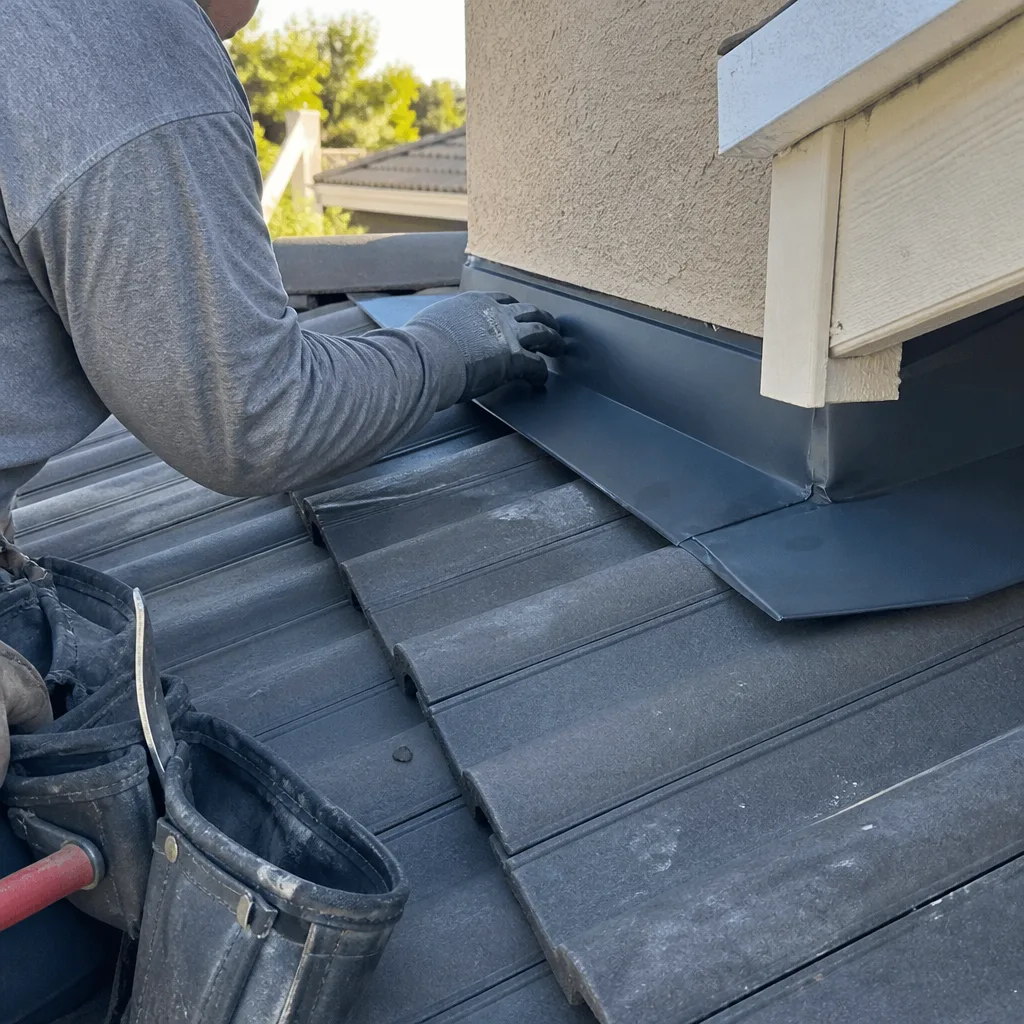
- Drip edge, flashing, and ridge cap. These are small-dollar components that degrade in direct sunlight and water contact. Drip edge runs about $5 to $9 per linear foot installed. Pipe collars, valley flashing, and step flashing against walls all carry material and labor costs. Some quotes lump these into “flashings” as a single number; others itemize them. Neither is wrong, but the quote should mention them explicitly.
If a quote itemizes these five things, it’s probably written by someone who intends to honor it. If it doesn’t, you have to assume the omissions will surface later. That’s not a contractor you want to discover mid-project. Our approach at Tilehurst Roofing Riverside follows the Kingswell Way: the written price is in your hands before any work starts, and that price includes everything above, stated in plain language.
Warranty Math: Why a Cheap Install Costs More by Year Ten
The cheapest roof quote in Riverside is rarely the cheapest roof over a decade. To understand why, you have to separate the two warranties that come with any roof, because they cover different failures and expire on different schedules.
Manufacturer warranties cover the shingle or tile itself. An architectural shingle from GAF, Owens Corning, or CertainTeed typically carries a limited lifetime material warranty, but the fine print matters. Wind coverage often drops off after fifteen years or requires specific installation methods. Algae and manufacturing-defect coverage has exclusions. More important, the manufacturer covers the material, not the labor to remove and replace a defective product. A warranty that pays for replacement shingles but not the crew to install them is a partial warranty.
Contractor workmanship warranties cover installation error: nail placement, flashing detail, valley construction, underlayment lapping, and sealant application. This is where the real cost difference hides. A contractor offering a one-year workmanship warranty is telling you they aren’t confident in their own crews past twelve months. The industry standard for quality contractors is five to ten years. A one-year warranty doesn’t make the roof cheaper; it just moves the risk of a bad install from the contractor to you.
The Kingswell standard is the 365-Day Done Right Promise: if it’s not done right, it gets made right for a full year after the job, in writing, before the crew leaves. Most installation failures show up in the first twelve months, inside that window. A roofer who won’t put a one-year repair guarantee in writing is a roofer who plans to argue about it later.
The practical math: a $14,000 roof with a one-year workmanship warranty and a $13,500 roof with a five-year warranty are not $500 apart. If either roof fails in year three due to bad flashing work, the cheaper one costs another $900 to $2,000 out of pocket. The more expensive one costs nothing. Always compare the total cost of ownership, not the initial price. This is the same principle we explain on our Roof Repair in Riverside page, where the difference between a patched leak and a properly rebuilt flashing detail has the same long-tail cost effect.
What a Fair Payment Schedule Looks Like in California
California law is specific about construction down payments, and the relevant statute is Business and Professions Code 7159, which governs home improvement contracts. The rule for most residential roofing jobs: a contractor may not ask for or accept more than 10 percent of the total contract price, or $1,000, whichever is less, before work begins.
That means a roofer asking for 30 or 50 percent down to “secure materials” is violating state law, no matter how they phrase it. A legitimate roofing company has credit with material suppliers and manages cash flow without holding your money hostage. This applies in Riverside the same way it applies in Los Angeles, Sacramento, or San Diego, and any contractor who claims otherwise is hoping you don’t know the statute.
A fair payment schedule for a Riverside roof replacement typically looks like this:
- Deposit: 10 percent or less, paid at contract signing to schedule the job and pull permits.
- Progress payment: 40 to 50 percent, due when materials are delivered and tear-off begins, or at a defined midpoint milestone.
- Final payment: the remaining balance, due after final inspection passes and you’ve walked the roof with the contractor or inspected photos showing completed work.
A contractor who demands large upfront cash is either financially unstable or planning a difficult conversation later. Neither one belongs on your roof. When we write contracts at Tilehurst Roofing Riverside, the Kingswell rule is simple: a written price before the work starts, a schedule that matches state law, and no change orders unless you’ve signed off on the specific change, in writing, with the price attached.
How to Read a Riverside Roofing Quote in 10 Minutes
Once you know what belongs in a quote, reading one is fast. Here’s the sequence we recommend to homeowners comparing bids.
- Check the measurement. The quote should list the roof area in squares. If two quotes list different squares for the same house, one is measuring wrong or both are estimating from satellite imagery. A trustworthy measurement is taken on the roof, not from a desk.
- Find the material line. It should name the manufacturer (GAF, CertainTeed, Owens Corning, Boral, or another legitimate brand) and the product line, not just say “architectural shingle.” The specific product determines what the material warranty covers.
- Look for the omission list. This is Item 3 above: underlayment, haul-away, permits, decking. Any of those missing means the quote is incomplete. A complete quote states the per-sheet decking price even if it expects zero sheet replacement.
- Compare the warranty language. The workmanship warranty should cover a stated number of years, and the repair guarantee should be in writing. “We guarantee our work” without a term attached is a handshake, not a warranty.
- Check the payment terms. Anything above 10 percent down is a red flag under California law, and no legitimate roofer should bristle when you point that out.
This ten-minute review has caught more hidden change orders than any other single step we know of. For a fuller picture of what a Roof Replacement in Riverside should include from start to finish, including the tear-off, deck inspection, and reinstallation process, that page walks through the whole job in order.
Common Mistakes to Avoid
- Comparing bottom-line prices without reading line items. A $4,000 spread on the same roof often means one quote includes disposal, permits, and decking contingency while the other plans to bill them later. Always compare the scope, not the number.
- Accepting “we’ll handle permits” without confirmation. In Riverside, the permit should be pulled before work starts, and the inspection record should be available afterward. A roofer who discourages permitting is removing accountability from the project.
- Choosing the premium material and the cheapest installer. Boral clay tile installed by a crew with no tile experience will fail faster than basic shingle installed correctly. Material quality doesn’t compensate for installation quality.
- Paying a large deposit before the contract is signed. The 10 percent rule has been California law since the 1960s. A contractor who asks for more before work begins isn’t just aggressive; they’re operating outside the statute.
- Assuming a “lifetime warranty” covers everything. Lifetime material warranties cover defects in the shingle itself. They don’t cover labor, they don’t cover rotted decking, and they don’t cover leaks from bad flashing work. The workmanship warranty covers installation; that’s the one you need in writing.
- Skipping the walkthrough after the job. The best time to catch a problem is while the crew is still on site or within the first rain season. Photos of the completed work, particularly flashing details and ridge lines, create a record for the warranty period.
- Falling for urgency. A roofer who shows up unsolicited after a storm and says the roof needs to be replaced next week is pressuring you to skip the quote review. Riverside doesn’t have a roofing emergency season that requires same-week replacement.
When to Call a Professional
Some roofing problems announce themselves. A ceiling stain spreading after rain means water is already inside the building envelope, and that’s a repair call today, not next month. Missing shingles after Santa Ana winds, a tile that slid out of place over the patio, daylight visible from the attic, or granules collecting in the gutters are all signs the roof is past the point of homeowner maintenance. We strongly advise against walking a pitched roof yourself, especially a two-story tile roof where the tiles are brittle and the fall risk is real. Tilehurst Roofing Riverside offers free estimates in Riverside, and a written price is in your hands before any work starts. Call (562) 315-0297 to schedule yours.
Frequently Asked Questions
A full replacement in Riverside runs $9,500 to $28,000, with most asphalt shingle re-roofs landing between $11,000 and $16,000 for a standard 2,000-square-foot single-story home. Tile roofs start higher because the material and structural requirements cost more. For an exact number on your roof, the only reliable way is an on-site measurement and walkthrough, which is free at Tilehurst Roofing Riverside. Call (562) 315-0297 and we’ll put a written price in your hands before any work starts.
A manufacturer warranty covers defects in the shingle or tile product itself, while a workmanship warranty covers installation errors like bad flashing, poor nailing, or incorrect underlayment lapping. The workmanship warranty is the one that protects you from leaks caused by a bad install, and it should state a specific number of years in writing. We put every repair guarantee in writing before the crew leaves the job.
Most localized repairs in Riverside run $350 to $1,900 depending on the problem: a small flashing repair at $350 to $600, a chimney flashing rebuild at $700 to $1,200, a valley leak repair at $500 to $900, or a decking section replacement with shingle reinstallation at $900 to $1,900. If the repair fails during the guarantee period, we return at no charge under our guarantee terms. Call (562) 315-0297 for an exact quote.
The right answer depends on your roof structure, roofline, and budget. Asphalt architectural shingle costs less, weighs less, and performs well on simpler rooflines, while concrete tile lasts longer, handles Riverside heat well, and suits the Spanish and Mediterranean architecture common in the city, which is why Seasonal Roofing Care for Riverside: Year-Round Homeowner’s Guide matters for protecting that investment. Tile requires a structural review because of its weight. A full replacement consultation will cover what your framing can support.
A complete quote includes measurement in squares, material manufacturer and product name, underlayment grade, drip edge and flashing, tear-off and debris haul-away, permit and inspection fees, per-sheet decking replacement price, workmanship warranty terms, and the payment schedule. If any of those is missing, treat the quote as incomplete and ask for the omission to be added in writing.
Most single-story asphalt re-roofs in Riverside are completed in two to four working days, while tile roofs run four to seven days and complex cut-up rooflines add time. Weather, permit scheduling, and inspection timing influence the schedule, and a reputable contractor will give you a window and hit it. The Kingswell standard is to show up in the window we gave, and the written schedule is part of your contract.
The Bottom Line
A Riverside roofing quote is a document you should be able to read in ten minutes, item by item, and that’s the skill this guide exists to teach. Material prices in 2026 are published, labor variables are predictable, and the line items that get buried are always the same ones. The contractor who wins your job should be the one whose quote holds up under that ten-minute review, whose warranty is in writing, and whose payment schedule follows California law. At Tilehurst Roofing Riverside home, that’s how we work: a written price before any work starts, a written guarantee on every repair, and the 365-Day Done Right Promise on every job. If you want to see what that looks like in practice, call (562) 315-0297 for a free estimate in Riverside.
See the difference
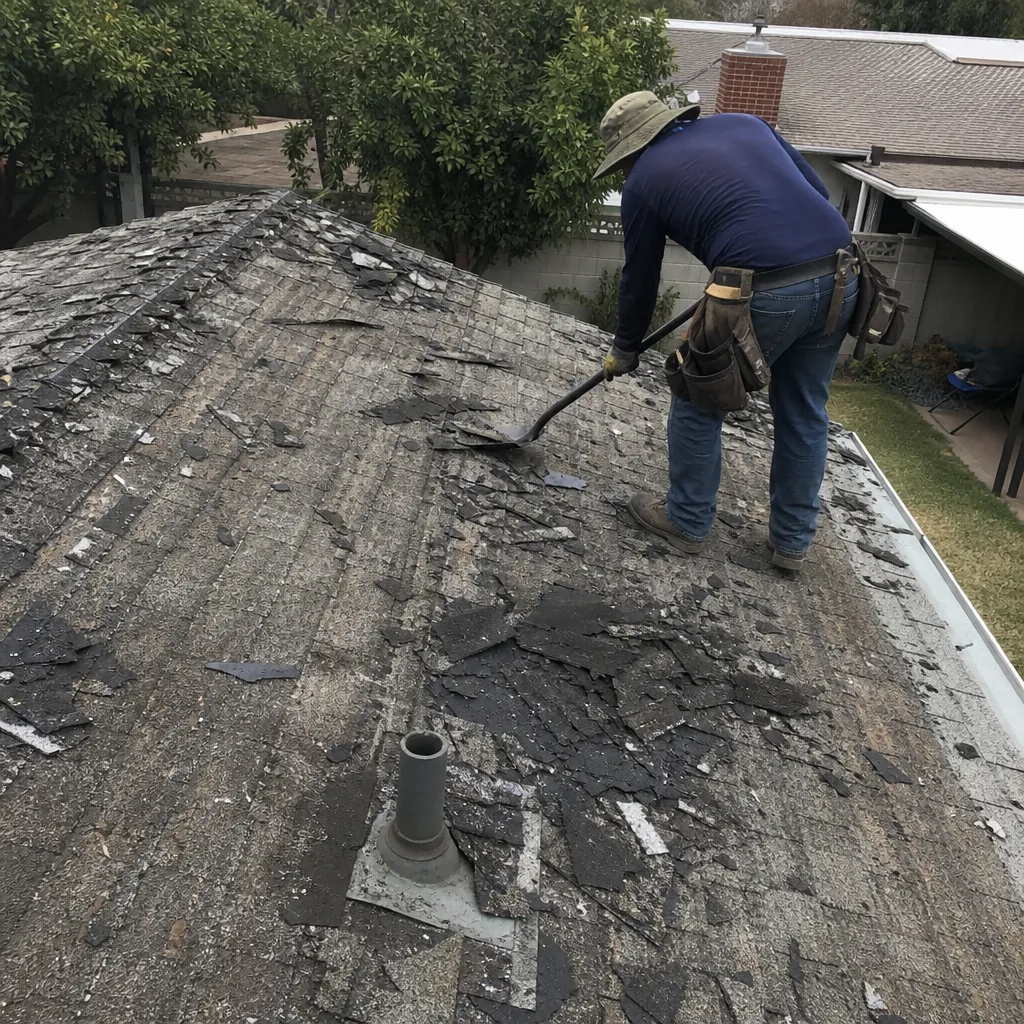 Before
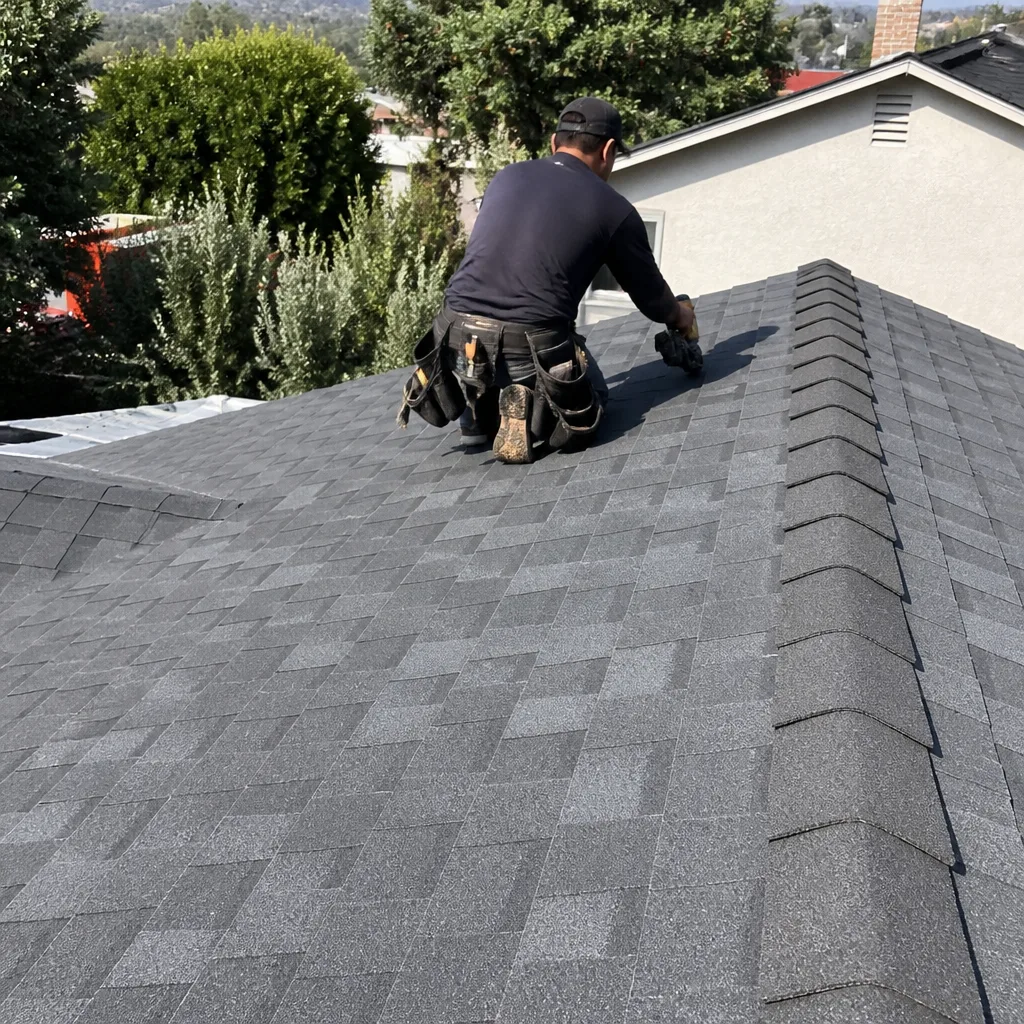 After
After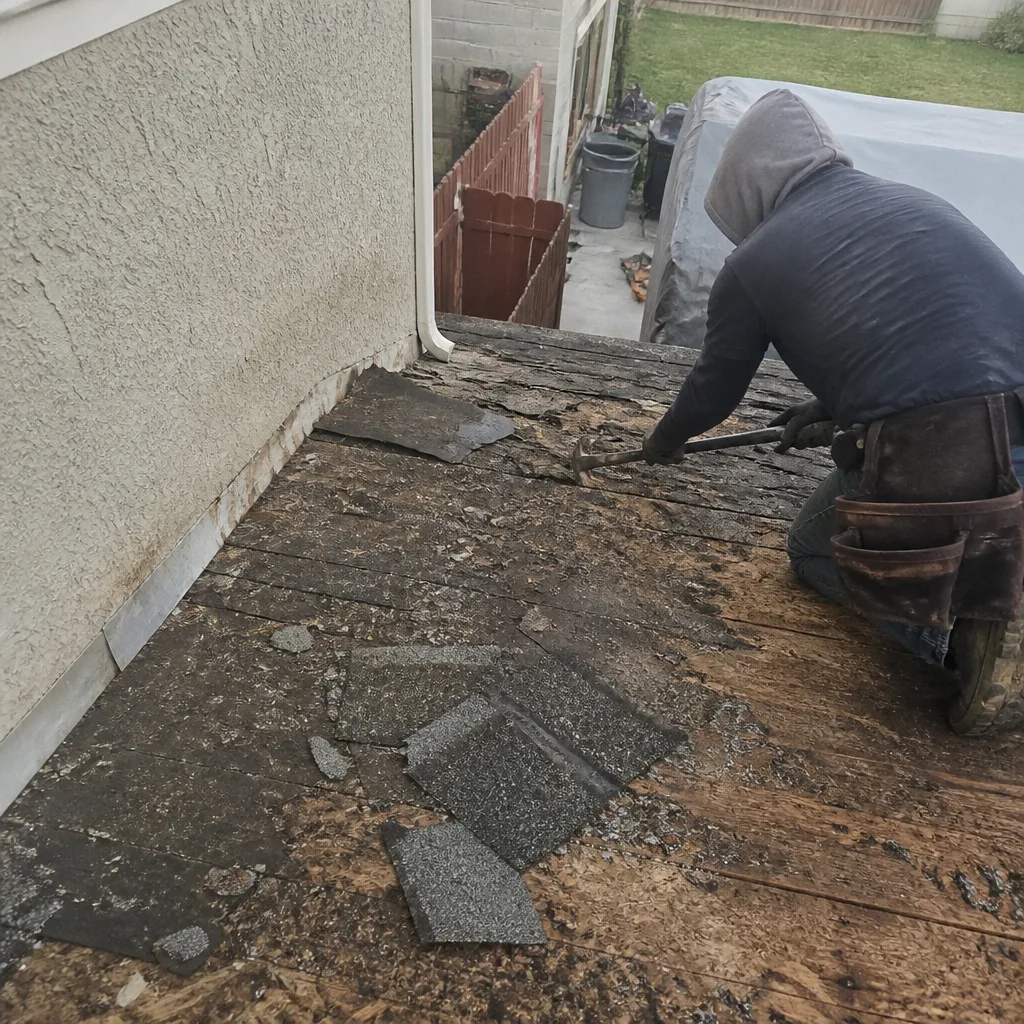 Before
 After
After Before
 After
After