
Last updated October 17, 2026
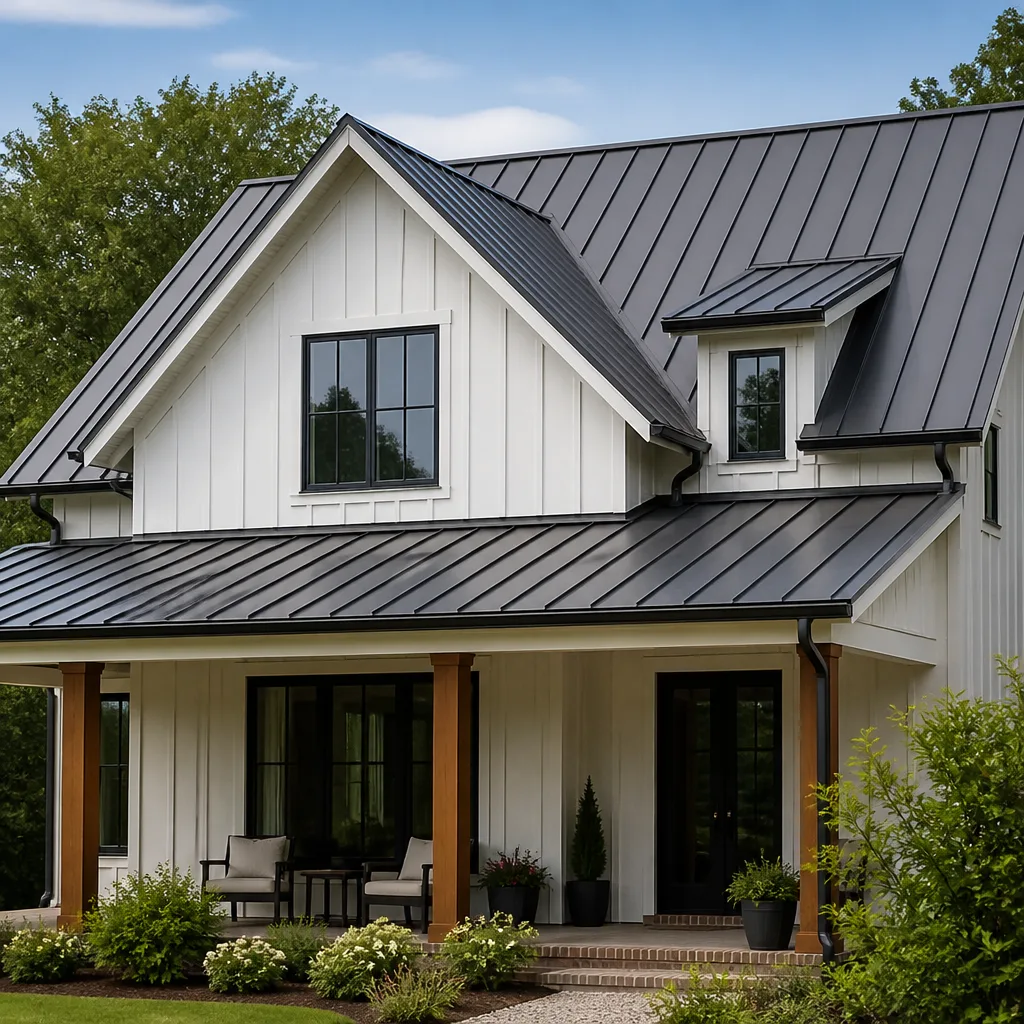 Metal roofing
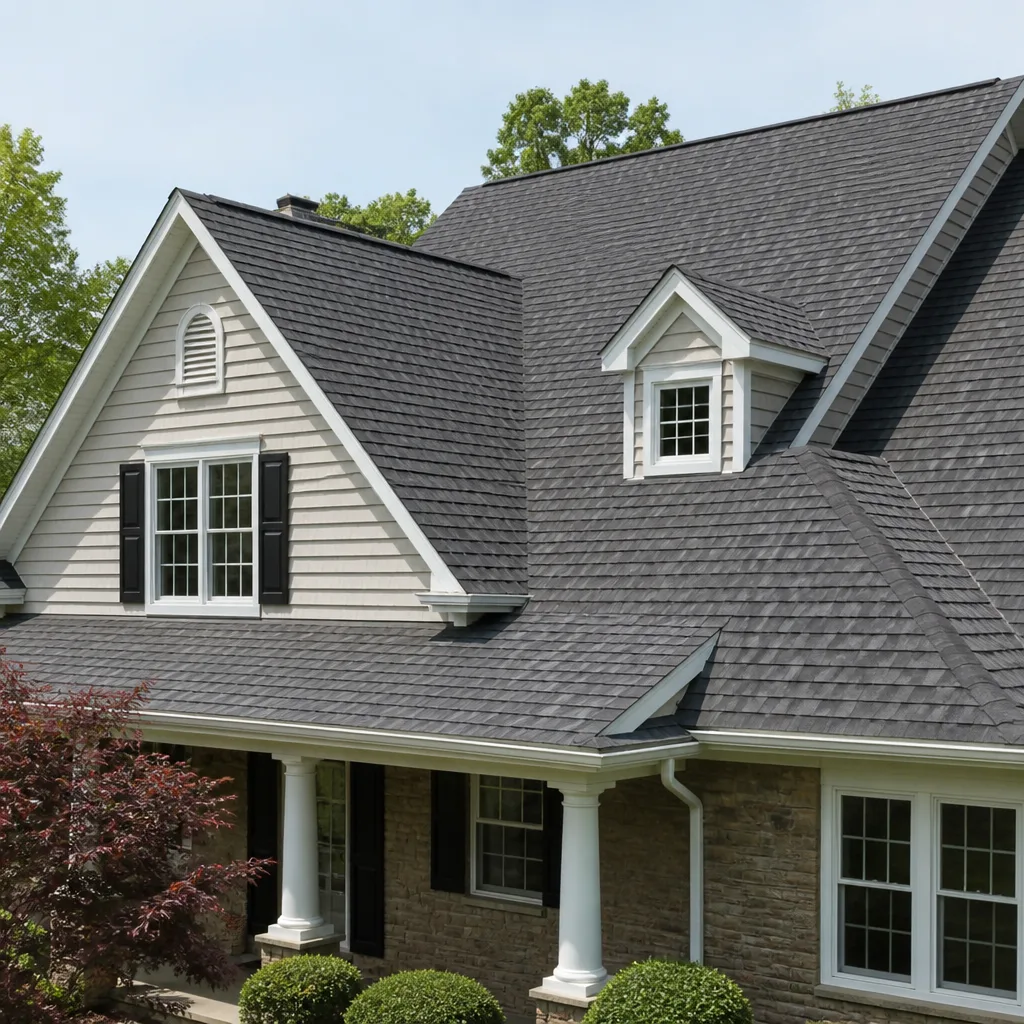 Architectural shingles
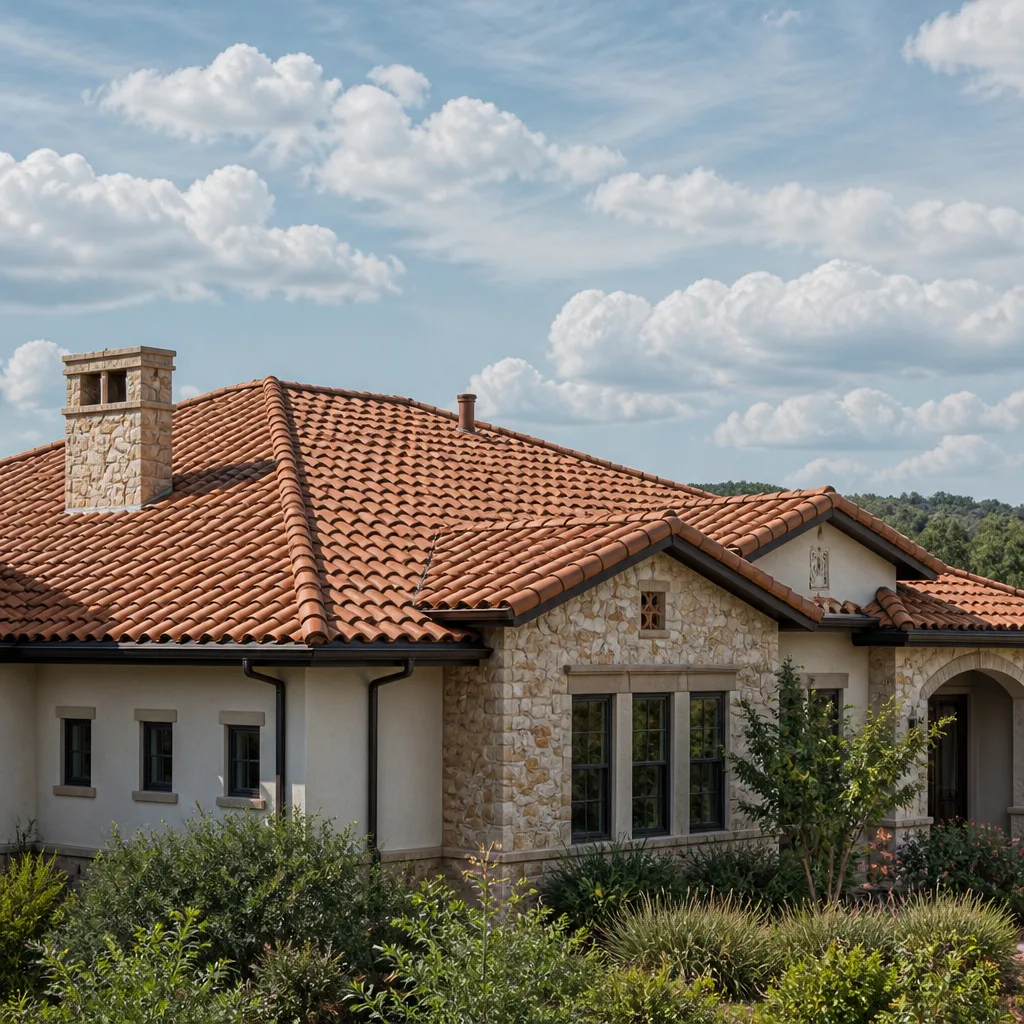 Tile roofing
 GAF
GAF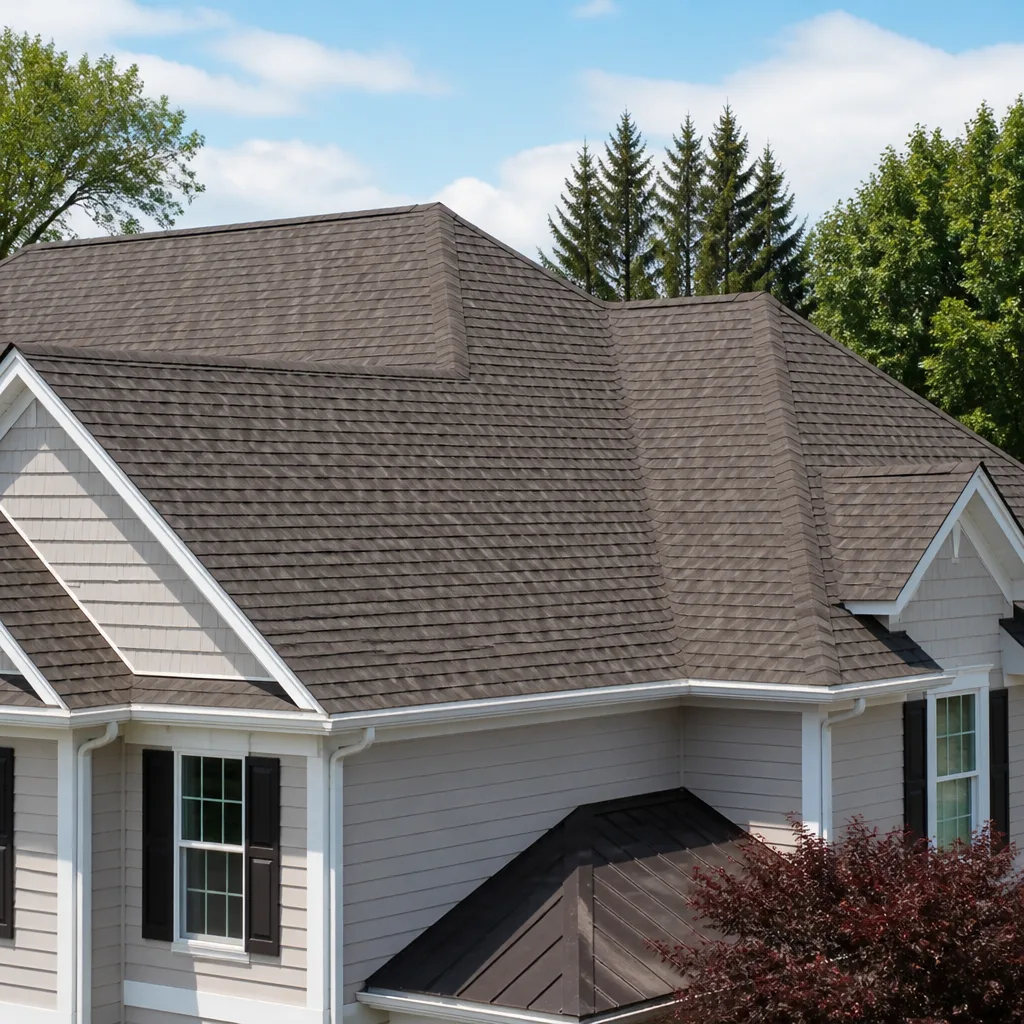 Owens Corning
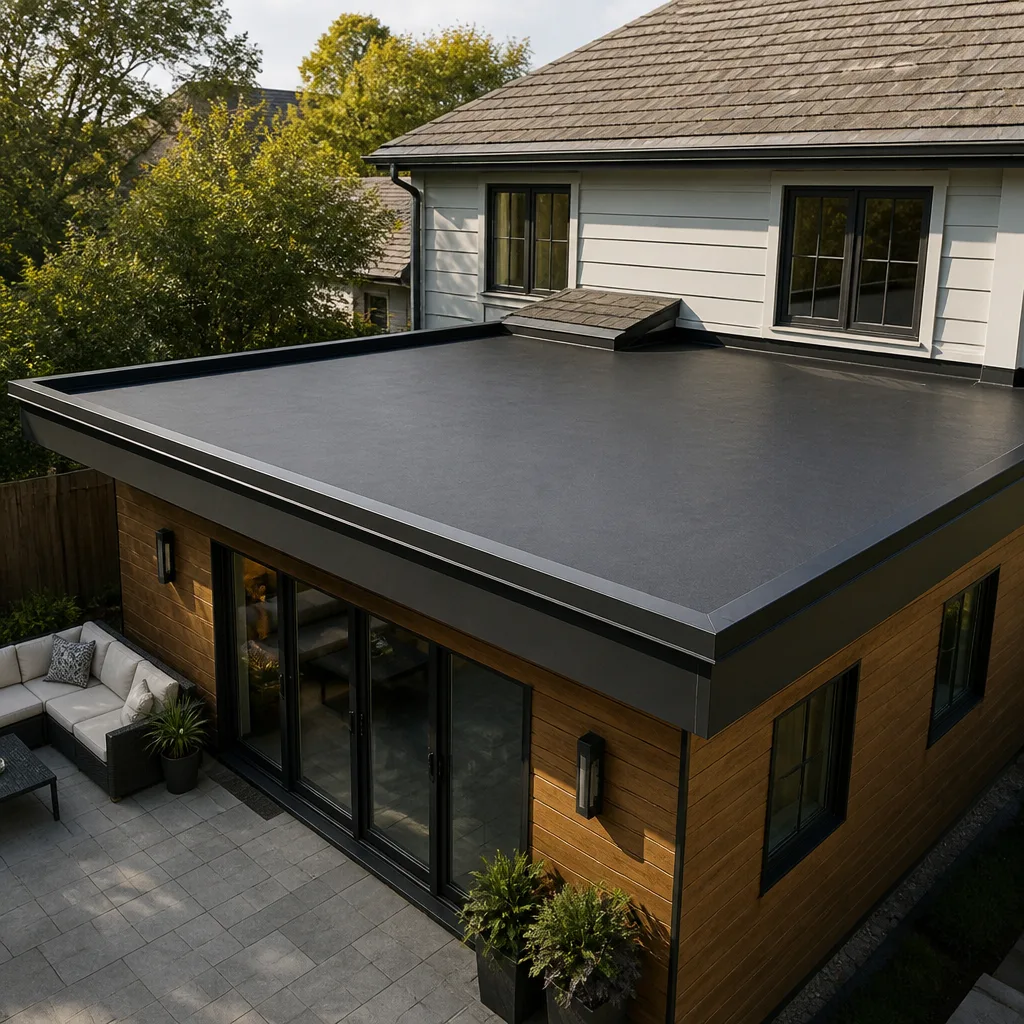 Flat & low-slope
Free roof inspection with deck photos before we talk money - GAF and Owens Corning certified installation
Roofing Permits, Codes & Inspections in CA: What You Need to Know
In California, re-roofing more than 10 percent of a roof’s surface without a permit isn’t just a code violation. It’s a disclosure event that must appear on your property transfer paperwork when you sell. Think about that for a second. A homeowner who quietly re-roofs to save a few hundred dollars on permit fees has just created a legal obligation that follows the house like a shadow. In Riverside, we’ve watched this exact scenario unravel during escrow more times than we can count. This guide explains when a permit is required, what the inspection process actually looks like, how Title 24 cool-roof rules affect your material choices, and what an unpermitted roof does to your warranty and your resale value. For a broader look at the topic, see The Complete Guide to Roofing in Riverside.
Styles & brands we work with
Quick Answer
A roofing permit in California is generally required when the project involves removing and replacing more than 10 percent of the roof covering or any structural repair. The permit costs between $150 and $500 in most Riverside projects, takes one to five business days to issue for a straightforward re-roof, and requires at least two inspections: one at mid-application (decking and underlayment) and one at final. A licensed contractor can and should pull the permit on your behalf, and the paperwork you receive at closeout is your proof of a legal roof for resale.
Table of Contents
- When a Roofing Permit Is Required in California
- The 10 Percent Threshold: Repair vs. Re-Roof
- How Riverside City Building Inspections Work
- Title 24 Cool-Roof Requirements for Riverside
- How an Unpermitted Roof Voids Your Manufacturer Warranty
- How a Legitimate Contractor Handles Permits
- Paperwork to Keep After the Final Inspection
- Common Mistakes to Avoid
- When to Call a Professional
- Frequently Asked Questions
- The Bottom Line
When a Roofing Permit Is Required in California
California Building Code (CBC) governs roofing work at the state level. Every city and county in California operates under the CBC, which is updated every three years. The code is clear on the core question: any reroofing project that removes and replaces more than 10 percent of the total roof surface area requires a building permit. That percentage is not a suggestion. It is the line between a repair and a re-roof. Replace three shingles after a windy afternoon? No permit. Tear off the entire south slope because a tree limb punched through? Permit. The 10 percent threshold also applies cumulatively. If a homeowner does three separate patch jobs over the course of a year that together exceed 10 percent, technically each of those should have triggered a permit once the total crossed the line.
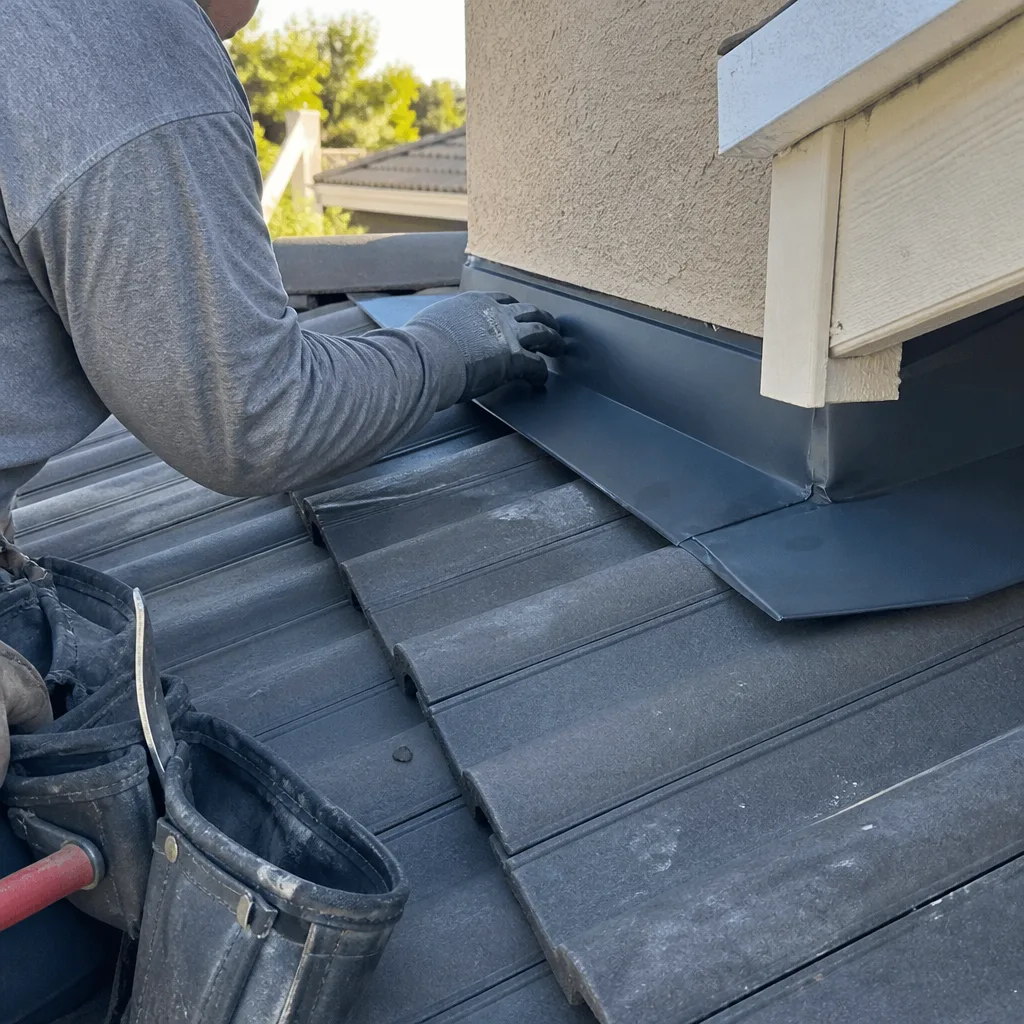
Structural work adds another layer. Any repair that touches the roof framing, sheathing, or trusses requires a permit regardless of square footage. If a Riverside inspector determines that decking beneath the shingles has rotted and needs replacement, that decking replacement requires its own permit or gets folded into the existing permit scope. Flashing replacement at penetrations (chimneys, skylights, vents) generally rides under the same permit as the re-roof. But a homeowner who decides to enlarge a skylight opening or change the roof pitch has moved into structural territory that requires plans and a structural review. The differences matter because unpermitted structural work can result in a stop-work order, a fine, and a mandatory reinspection before the project can resume. Riverside’s Building & Safety Division enforces these rules actively. We’ve seen projects shut down mid-teardown because a homeowner hired a crew that skipped the permit window entirely.
The practical takeaway: if you are replacing the visible roof covering over a meaningful portion of your home, plan on a permit. It costs less than most people assume. In Riverside, a standard reroof permit for a 2,000-square-foot single-family home typically runs between $180 and $400 depending on valuation. That is a fraction of the cost of the roof itself. The permit also buys you something that no receipt can replicate: a legal record that your roof exists and was installed to code.
The 10 Percent Threshold: Repair vs. Re-Roof
Let’s make this concrete, because “10 percent” means different things depending on your roofline. A typical single-story ranch home in Riverside’s Canyon Crest or Wood Streets neighborhoods has a roof surface between 1,800 and 2,400 square feet. Ten percent of that is 180 to 240 square feet, roughly the size of a one-car garage door. Most storm damage or isolated leak repairs cover far less than that. But a full re-roof, which Riverside homeowners undertake every 20 to 30 years on average given our sun exposure and occasional Santa Ana wind events, covers 100 percent of the surface. For help spotting problems before they reach this stage, read our Roofing Warning Signs: A Riverside Homeowner’s Reference Guide. That project always requires a permit.
There is a common misconception that “just replacing shingles” never requires a permit. The code does not care what material you are replacing. It cares about how much surface area you are disturbing. A full tear-off of an existing asphalt shingle roof and installation of a new asphalt shingle system is still a re-roof and still requires a permit. Same with tile. Same with metal. The material does not change the trigger. Square footage does. And the code does not distinguish between removing old shingles versus laying new shingles over the old. Both are considered reroofing for permit purposes.
The California Building Code also requires a permit when the work involves replacing roof sheathing, adding a ridge cap, or changing the roof’s ventilation profile. Even if those changes accompany a repair that stays under 10 percent, the structural component pulls the project into permit territory. A practical example: you have a leak around a vent pipe. The repair itself is small, maybe 40 square feet of shingles around the penetration. But when the crew opens the area and finds soft decking, that decking replacement now triggers a permit or a permit amendment. A responsible contractor stops work and tells you. A less scrupulous one patches over the rot and moves on. That is how homeowners end up with failing roofs three years later and zero recourse.
How Riverside City Building Inspections Work
Riverside’s building inspection process follows a standard California sequence, but the rhythms are specific to this city. The permit is issued by the Riverside Building & Safety Division, which operates out of the city offices and processes residential roofing permits on a typical turnaround of one to three business days for simple re-roofs. Once the permit is issued, the contractor or homeowner schedules the first inspection online or by phone. Riverside uses an automated scheduling system with next-day availability in most cases. The first inspection is called a “mid-roof” or “dry-in” inspection. It happens after the old roofing material is removed, the decking is inspected and replaced where necessary, and the underlayment is laid but before the new shingles or tiles cover it.
What does the inspector actually look for? At the mid-roof inspection, the inspector verifies that the decking is sound, the underlayment is the correct type and overlap for the roof pitch, the fasteners are correct, and the ventilation profile matches the plan. In Riverside, this is also where the inspector confirms compliance with Title 24 cool-roof requirements, checking that the underlayment product or roofing material carries the proper listing for the climate zone. The inspector will also look at drip edge installation and the interface between the roof and any vertical walls. If something fails, the inspector issues a correction notice. That correction notice is not a disaster. It is a list. The contractor fixes the items and schedules a reinspection, usually within a day or two. Each reinspection in Riverside carries a small fee, currently around $90 to $140 depending on the project. Most quality crews pass mid-roof inspections first time. Most failures we see in Riverside involve underlayment fastening, missing drip edge, or a substitution that was never approved.
The second inspection is the final. It occurs after the roofing system is complete: shingles or tiles installed, ridge cap in place, flashings sealed, gutters reattached. The final inspector verifies that the finished roof matches the permitted scope, that no changes were made without an update, and that the site is clean. If the final passes, Riverside closes the permit and records it. The homeowner receives a final inspection record, and the permit history updates on the county assessor’s records within weeks. A failed final inspection is rarer than a failed mid-roof, but it happens. Common reasons: the crew changed the shingle color or material after the permit was issued without amending it, skipped the ridge vent specified on the permit, or left old layers in place that the permit said would be removed. Any of these means a correction notice, a reinspection fee, and a delay of a few days to a week.
Who schedules the inspections? In a professional roofer’s workflow, the contractor schedules both. That is part of what the permit fee and the labor quote cover. The homeowner does not need to take time off work to meet the inspector, though many choose to be present for the final. The contractor’s project lead or foreman meets the inspector at the job site, walks the roof with them, and receives the inspection results. If you as a homeowner are handling the process yourself, Riverside’s Building & Safety Division staff will talk you through the scheduling over the phone. The city has made the process accessible. But the inspection itself requires whoever is present to answer questions about the installation, and that is typically the person who performed it.
Title 24 Cool-Roof Requirements for Riverside
California’s Title 24 energy code has specific rules for roofing materials in most of the state’s climate zones, and Riverside sits squarely in one of the zones where those rules apply most strictly. Riverside is in California Climate Zone 10 under the current energy code. Zone 10 is a hot-dry climate: summer highs routinely above 100 degrees from June through September, warm nights, and a solar load that beats on roofs all afternoon. The Title 24 cool-roof provisions are designed to reduce that heat gain. The code requires roofing products in Zone 10 to meet minimum solar reflectance index (SRI) values that help the roof reflect sunlight rather than absorb it. In practical terms: the roof covered in a standard dark non-reflective asphalt shingle may no longer meet code in Riverside’s climate zone. That is a material change from what many homeowners remember from their last roof replacement.
The code does not mandate a single product. It mandates performance. The California Energy Commission maintains a pre-approved list of roofing products that comply with Title 24 for each climate zone. That list includes specific product lines from major manufacturers. You can find GAF’s Reflector Series, CertainTeed’s Landmark Solaris, Owens Corning’s Cool Roof Collection, and Boral’s cool-roof tile profiles on the approved list for Riverside’s zone. Homeowners with barrel tile roofs, which are common in Riverside’s older hillside neighborhoods like Alessandro Heights and Hawarden Hills, are in a strong position: tile itself has inherent thermal mass and lighter colors that often meet the SRI threshold without a special coating. Asphalt shingle roofs are the bigger challenge because traditional dark shingles rarely meet Zone 10 requirements. That is why the manufacturer-approved cool-roof shingle lines exist, and why they are so common on Riverside re-roof projects today.
The inspector enforces Title 24 at the mid-roof inspection. The inspector will ask to see product data sheets or the manufacturer’s labeling that confirms the installed product is on the pre-approved list for the climate zone. If the crew installed a non-compliant product, the correction notice will require either removal and replacement with a compliant product or a signed exemption if one applies. Exemptions exist for some situations, including steep-slope roofs in certain orientations, but they require documentation. You do not want to discover that your roof fails Title 24 after the shingles are nailed down. A good Roofing Company in Riverside confirms the material compliance before the job starts and brings the paperwork to the inspection.
How an Unpermitted Roof Voids Your Manufacturer Warranty
Here is the clause that most homeowners never read until it is too late. Nearly every major shingle and tile manufacturer includes language in its warranty that conditions coverage on the roof having been installed in compliance with all applicable building codes. GAF’s warranty, for example, states that the warranty obligation applies to shingles installed in accordance with application instructions and all applicable local building code requirements. An unpermitted roof is, by definition, a roof installed without demonstrated compliance. When a homeowner files a claim, the manufacturer is entitled to request the permit number and final inspection record. If the homeowners cannot produce them, the manufacturer has grounds to deny the claim. We have seen this happen. A Riverside homeowner buys a premium Boral tile roof, skips the permit to save money, and then discovers a manufacturing defect three years in. The claim is denied because there is no permit record, and the homeowner is left paying for tear-off and replacement out of pocket.
Roofing manufacturer warranties are not warranties against installation errors. They cover material defects. But the coverage is contingent on the material having been installed in a code-compliant manner. The permit and inspection process is the only record a homeowner has to prove that. Without it, you are asking the manufacturer to take your word that the shingle failed because it was defective, not because it was installed by a crew that skipped the inspection. The same issue applies to the labor warranty from the contractor. If the contractor does not pull a permit, that is a signal. A legitimate, respectable roofer pulls permits on every job that requires one. Contractors who discourage permits are often trying to avoid inspection scrutiny or avoid having their presence on the property documented. Tilehurst Roofing Riverside pulls permits on every re-roof and every repair that crosses the threshold. The permit is not an upsell. It is the paperwork that keeps the warranty alive.
There is another quiet consequence to an unpermitted roof that only emerges during the warranty claim process: the insurance angle. Some homeowner insurance policies now ask whether permitted work was performed when the work affects a major system like the roof. If the answer is no, the insurer may exclude roof-related coverage or require a pre-coverage inspection. That inspection typically costs a few hundred dollars and may still result in an exclusion if the roof fails. The permit is the unglamorous document that unlocks all the protections you thought you were buying.
How a Legitimate Contractor Handles Permits
A roofer who handles permits properly does specific, observable things. Understanding the sequence helps you evaluate any contractor you are considering for a Riverside roof project. First, the contractor includes the permit in the written proposal as a line item. Not as a vague “permitting as required” note. As a dollar amount or a clear statement that permit fees are included in the contract price. Second, the contractor pulls the permit themselves. The permit is issued in the contractor’s name, with the property owner identified. This is a meaningful distinction. A contractor who tells you to “handle the permit yourself” is offloading a liability onto you. Third, the contractor updates you when the permit is issued and when each inspection is scheduled. You should never be the one checking in to ask whether the permit was pulled. Fourth, the contractor meets the inspector on site. The inspection is not your job. Fifth, the contractor provides you with the permit number and the final inspection record after the closeout inspection. That record is yours to keep with your home documents.
In the Kingswell Way of working, the permit is part of the pre-work process, not an afterthought. The written price before any work starts includes the permit line item. The crew shows up knowing the permit is on file. The inspection schedule is set before materials hit the roof. If a correction notice comes back, the crew fixes it and reinspects without charging you extra for the reinspection fee. A reinspection fee is a cost of doing the job correctly, and a contractor who absorbs it is a contractor who planned for quality from the start. That is how we run our Roof Replacement in Riverside projects.
- The contractor includes a permit line item in the written proposal.
- The contractor applies for and receives the permit in their name.
- The contractor schedules the mid-roof inspection after tear-off and underlayment.
- The contractor fixes any correction items and schedules the reinspection.
- The contractor schedules the final inspection after the roof is complete.
- The contractor gives you the final inspection record with your closeout documents.
Paperwork to Keep After the Final Inspection
The final inspection is not the end of the paperwork trail. It is the beginning of the documentation you will rely on for years. Here is what you should keep in your home file after any permitted roof project in Riverside:
- The building permit. Keep the original permit document or a digital copy. It shows the permit number, the issued date, the scope of work, and the contractor who pulled it.
- The final inspection record. This is the proof the roof passed. In Riverside, this comes as a signed inspection card or a digital record from the city’s permitting system. Print it and keep it.
- The manufacturer’s warranty registration. If your contractor registered the products for you, keep the confirmation. If not, register the products yourself using the product batch codes from the packaging.
- The contractor’s written workmanship guarantee. Tilehurst Roofing Riverside provides a written guarantee on every repair delivered before the crew leaves. Keep that document with the permit records. If a repair fails inside the guarantee period, the crew returns at no charge.
- Receipts and change orders. If anything changed during the project, the change order should be in writing and included in your file.
- Product data sheets. For Title 24 compliance, keep the manufacturer data sheets for the installed shingles or tiles. These may be needed if you sell the home and the buyer’s inspector questions the roof’s energy compliance.
The habit of keeping these documents is not bureaucratic. It is asset protection. When you sell your Riverside home, the transfer disclosure statement will ask whether work was done with permits. You want to answer yes, and you want the papers to prove it. The alternative, a “no” answer or an “I don’t know,” becomes the buyer’s negotiation leverage. Keep the paper. It is worth more than you think.
Common Mistakes to Avoid
- Skipping the permit to save money. The Riverside permit fee is typically under $400. The cost of an unpermitted roof discovered during escrow can run into thousands, and that is before the legal exposure. Permit fees are the cheapest insurance you will ever buy.
- Letting the contractor skip the permit while promising “it will be fine.” If a contractor is willing to violate the code on the front end, they are likely willing to violate other standards: fastening patterns, underlayment overlap, flashing detail. The permit is a filtering mechanism for quality.
- Choosing a non-Title 24-compliant material to save on shingle cost. In Riverside’s Zone 10 climate, a non-compliant dark shingle is not just a code problem. It is a comfort problem and a resale problem. The compliant cool-roof lines from GAF, CertainTeed, and Owens Corning are listed for a reason.
- Failing to keep the final inspection record. We have met homeowners who had the permit, passed the inspection, and threw away the paperwork in a spring cleaning. When the buyer’s agent asked for documentation, the homeowner had to pull records from the city, which took weeks.
- Assuming tile roofs do not need permits. The 10 percent rule applies to all roof coverings, including tile. A tile repair that crosses the threshold requires a permit just like an asphalt shingle re-roof.
- Confusing homeowner insurance inspections with building inspections. An insurance adjuster looking at your roof is not the same as a city building inspector. Insurance inspections evaluate coverage risk. Building inspections evaluate code compliance. One does not substitute for the other.
- Waiting to pull the permit until after the roof is already installed. Riverside will sometimes allow a retroactive permit for simple work, but it is not guaranteed, and retroactive permits often trigger double fees plus a penalty. Do the paperwork before the materials hit the roof.
When to Call a Professional
The permit process is navigable for a homeowner, but the roofing work itself rarely is. If you have structural damage, visible decking rot, a leak that has been active for more than a season, or a roof that needs more than two layers of material, call a professional. If the thought of meeting a building inspector on a mid-roof inspection makes you nervous, you are not alone, and you do not need to be there. A licensed roofer handles the entire sequence: permit, materials, installation, inspections, closeout paperwork. For more guides & resources on protecting your home, visit our blog. What you get is a roof that exists in the legal record of your home, with a warranty that holds.
Tilehurst Roofing Riverside offers free estimates in Riverside. Roof Repair in Riverside and full replacement projects include permit handling as standard. Call (562) 315-0297 to schedule a free estimate and get a written price before any work starts.
Frequently Asked Questions
A roofing permit in Riverside typically costs between $150 and $500 depending on the project valuation and scope of work. Most single-family re-roof permits fall between $180 and $400. The permit fee is separate from the labor and material costs and should be listed as a line item on your written proposal. Call (562) 315-0297 for an exact quote on your specific project, and estimates are free.
No, you cannot re-roof a house without a permit in California if the project removes and replaces more than 10 percent of the roof surface. The California Building Code requires a permit for any reroof exceeding that threshold, and unpermitted work creates disclosure obligations when you sell the home. A permit is also required for structural work regardless of square footage.
You must disclose the unpermitted work on California’s transfer disclosure statement, and the buyer may demand a retroactive permit, a price reduction, or repairs before closing. An unpermitted roof also gives the buyer’s lender grounds to pause financing if the roof is flagged during appraisal. The cleanest path is to pull the permit before the work is done.
Yes, Title 24 requires roofing products in Riverside’s Climate Zone 10 to meet minimum solar reflectance requirements, which effectively means cool-roof compliance for most asphalt shingle roofs. Tile roofs in lighter colors often comply naturally. Pre-approved products include specific lines from GAF, CertainTeed, Owens Corning, and Boral. Call (562) 315-0297 for help selecting a compliant material.
The contractor schedules both the mid-roof and final inspections as part of the permitted roofing project. A legitimate roofer handles the scheduling, meets the inspector on site, and delivers the correction list or passing record to you. Homeowners who pull their own permits can schedule directly through Riverside’s Building & Safety Division.
Not if the written proposal was done correctly. A written price before any work starts includes the permit, materials, labor, and known conditions. If decking rot or another hidden condition is discovered, that is a change order in writing before any additional work begins. Call (562) 315-0297 for a written line-item quote so there are no surprises.
The Bottom Line
Roofing permits in California are not optional paperwork. They are the legal record that your roof exists, that it was installed to code, and that the manufacturer’s warranty has teeth. In Riverside, the process is straightforward: pull the permit, pass the mid-roof inspection, install Title 24-compliant materials, pass the final, and keep the paperwork. The cost is modest. The consequence of skipping it is a disclosure obligation that follows you to closing and a warranty that quietly voids itself. A professional roofer handles the whole sequence. You handle the decision to call. Tilehurst Roofing Riverside home for free estimates and written pricing in Riverside.
Written by Greg Holloway, Owner at Tilehurst Roofing Riverside, serving Riverside since 2000.
See the difference
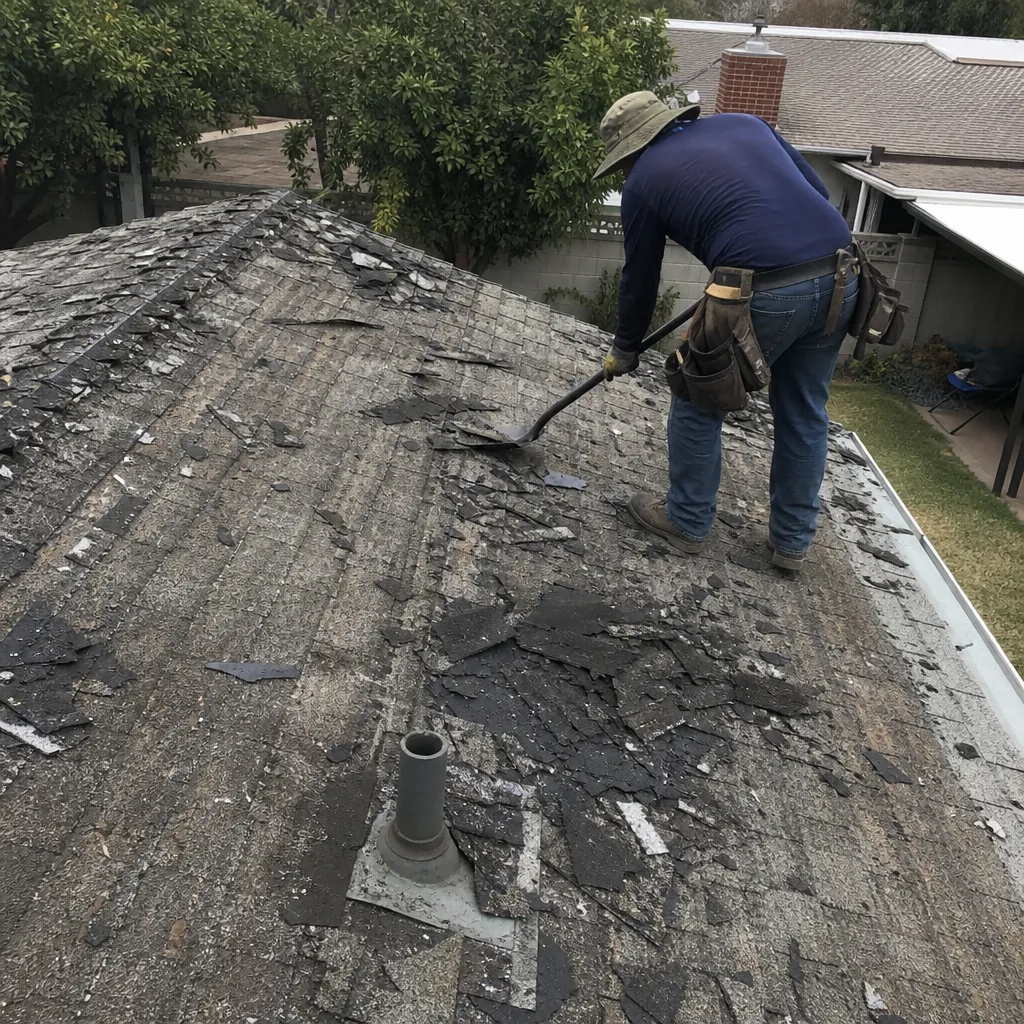 Before
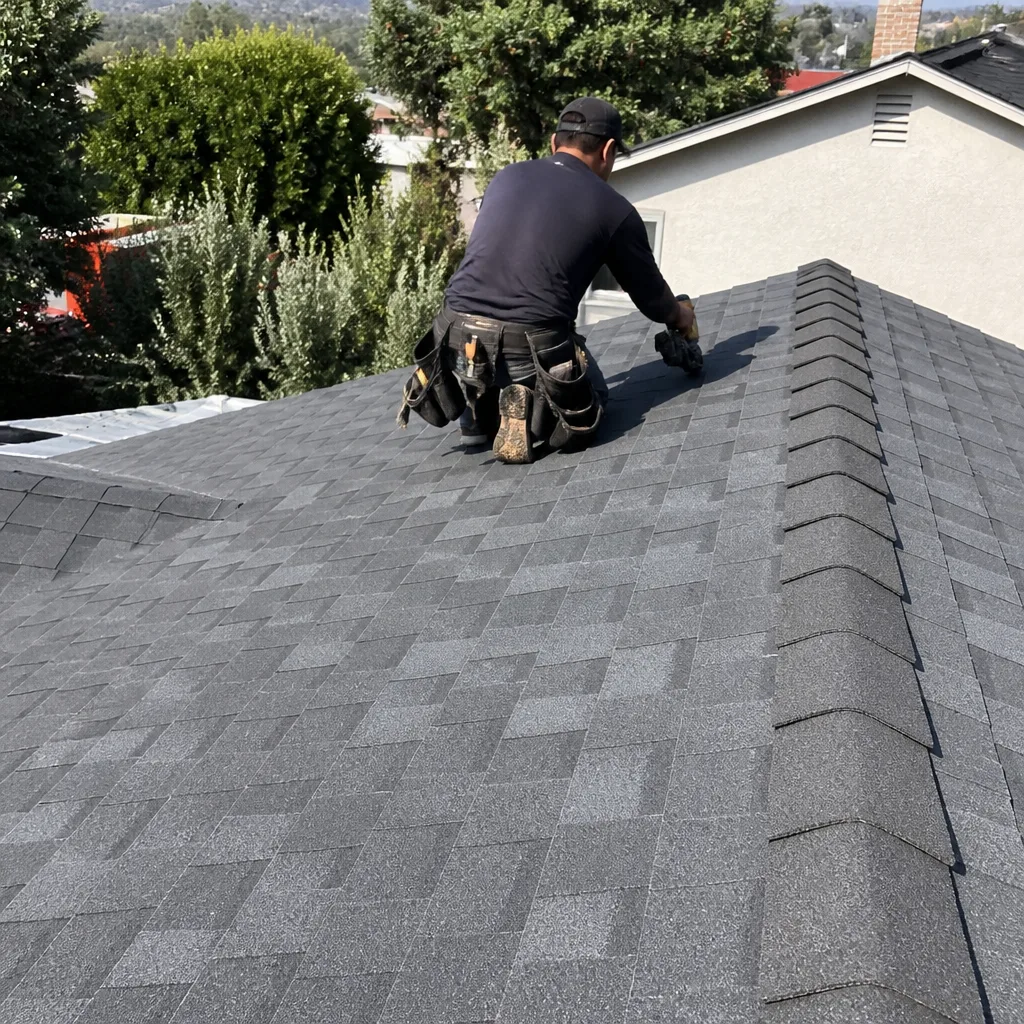 After
After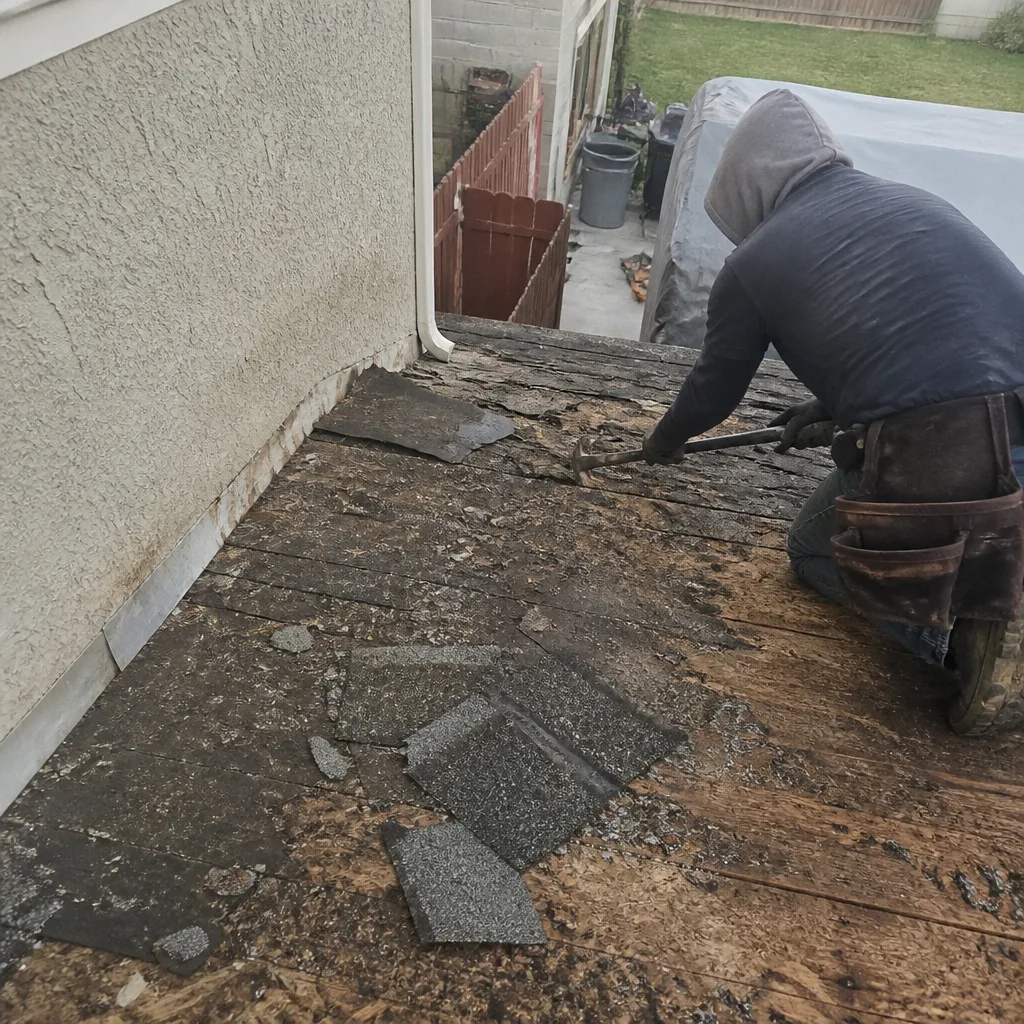 Before
 After
After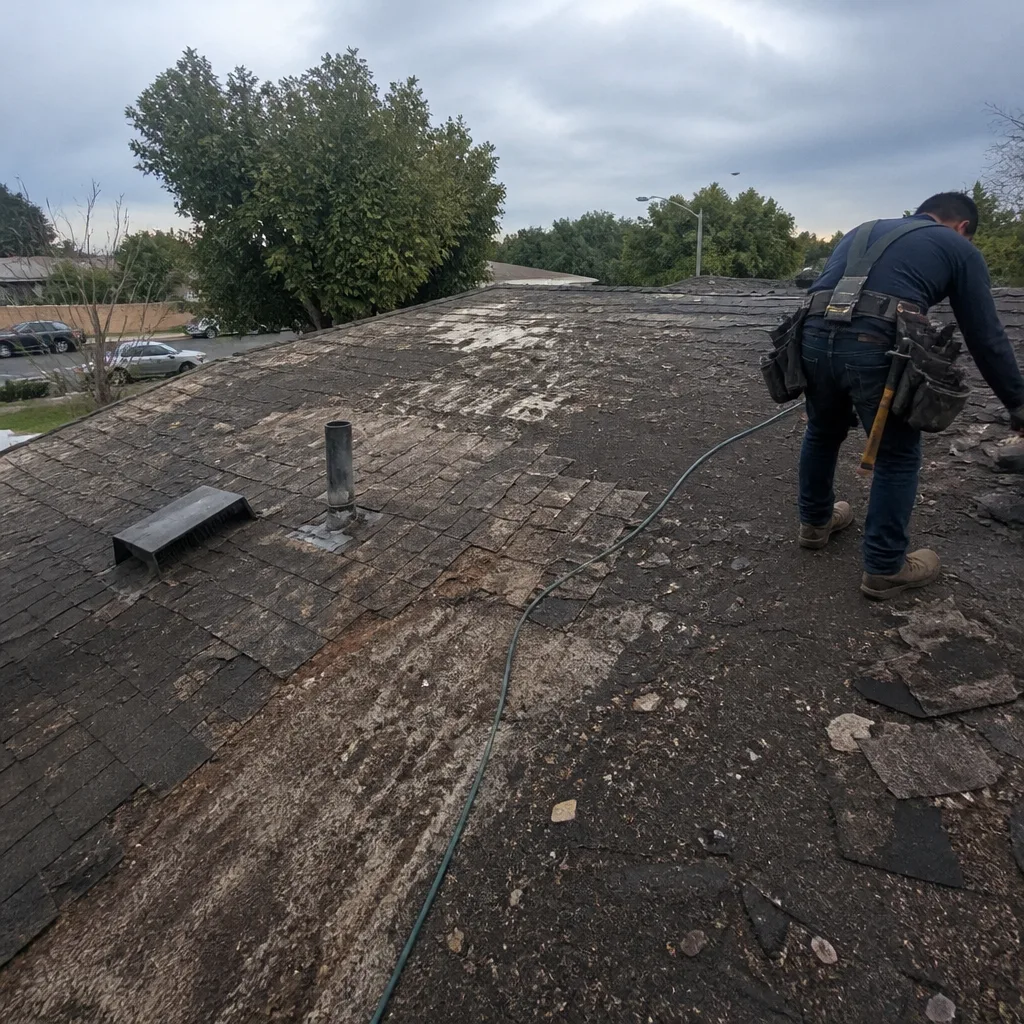 Before
 After
After