
Last updated October 17, 2026
 Metal roofing
 Architectural shingles
 Tile roofing
 GAF
GAF Owens Corning
 Flat & low-slope
Free roof inspection with deck photos before we talk money - GAF and Owens Corning certified installation
Roofing Company Maintenance Checklist for Riverside Homeowners
A professional roof inspection takes about 45 minutes, start to finish. The items a contractor checks in those 45 minutes are not a trade secret. They’re a repeatable sequence of observations, most of which you can learn in an afternoon. Knowing them in advance is the single fastest way to avoid being sold work you don’t need. This guide walks the same ground our Roofing Company services cover in Riverside, so you can arrive at any contractor conversation with notes instead of guesses.
Styles & brands we work with
Quick Answer
A Riverside roof maintenance checklist covers three zones: the interior (attic, ceilings, walls), the exterior visible from the ground (gutters, fascia, roof surface), and the documentation you keep. The most important checks after any Santa Ana wind event above 50 mph are granule accumulation in gutters, lifted or missing shingles, and displaced tile. Most asphalt-shingle repairs in Riverside run $350 – $800, while full replacements typically land between $9,500 and $18,000 depending on material and square footage; see our Roofing Cost Breakdown: The Riverside Homeowner’s Reference for 2026 for detailed pricing factors.
Table of Contents
- The Room-by-Room Interior Checklist
- What to Look for in the Attic
- Ground-Level Exterior Checks You Can Do Safely
- Riverside-Specific Maintenance Triggers: Wind and Rain
- How to Document Findings for an Accurate Phone Quote
- What Homeowners Can Safely Do vs. What a Roofer Must Handle
- A Seasonal Maintenance Schedule for Riverside Homes
- Common Mistakes to Avoid
- When to Call a Professional
- Frequently Asked Questions
- The Bottom Line
The Room-by-Room Interior Checklist
Most roof leaks announce themselves in the attic or on upper-story ceilings weeks before you see water dripping into a living space. Rushing through an interior check means missing the early warning signs. Here’s the sequence we walk on every visit to a Riverside home, and you can do the same in about 20 minutes.
Start with the ceilings
Look at every ceiling on the top floor first, then work down. Discoloration doesn’t always look like a water stain. Watch for any area that appears slightly yellowed, faintly ringed, or subtly darker than the surrounding paint. Bathroom ceilings and the areas around exhaust fans are common first-hit spots because moisture collects there.
When you find a stain, press lightly with a fingertip. Wet drywall gives slightly and feels cool. A dry, older stain will feel firm and chalky. Active stains mean an active leak. Dry stains mean a past problem that may have been fixed or may have simply stopped leaking because the weather changed. Riverside gets very little rain most of the year, so a dry stain in August can turn wet again in January.
Walls and window corners
Run your eyes along the top edges of walls, especially on the upper floor. Bubbling paint or peeling wallpaper in a vertical line often means water is running down the inside of the wall cavity from a roof penetration above. Cracked or staining around window corners on the top floor points the same direction, particularly on the west-facing side of the house that catches the most afternoon sun and exposure in Riverside’s hot summers.
Baseboards and flooring
Warped baseboards or cupping laminate flooring in an upstairs hallway can mean water has tracked down inside a wall from a roof leak and pooled at the bottom plate. Check behind furniture and in closets. Leaks don’t care where you keep your guest towels.
If you find any of these signs, document them with your phone before moving on. Photos with a timestamp help later conversation.
What to Look for in the Attic
The attic tells you more about your roof’s health than any exterior view. We inspect attics before we ever climb a ladder, and you should too. The signs are readable if you know what you’re looking at.
Rafter darkening and staining
Rafters are the angled wooden beams that form the pitch of your roof. In a healthy attic, they’re dry and uniform in color, even if decades old. Dark streaks, gray banding, or black spotting on any rafter usually means water has been wicking through the wood. The stain pattern often points toward the source. Wide, spreading stains near the peak suggest ridge issues. Narrow vertical stains running down a single rafter commonly mean a nail hole or a small penetration leak above that exact spot.
Riverside’s low humidity typically keeps attic wood dry, which makes stains easier to read. If you see damp rafter wood in our climate, the leak is active, not just ancient history.
Insulation compression
Insulation should be fluffy and evenly distributed across the attic floor. Compressed, matted, or darkened insulation means water has been soaking into it. Wet insulation loses its R-value and stops doing its job, which is why a small leak can quietly raise your cooling bill through a Riverside summer. Look for insulation that appears to have settled in a slight depression, or that feels damp to the touch.
Daylight through the decking
Decking is the plywood or OSB layer that shingles or tile attach to. From inside the attic on a bright day, look up. You shouldn’t see daylight through the deck. If light comes through at any point, water can come through that same point. Pinholes, gaps around plumbing vents, or cracked decking all show as small bright spots against the dark.
Rust on fasteners and vent pipes
Rust on nails poking through the decking means condensation has been forming in that spot. In a properly ventilated Riverside attic, that shouldn’t happen. Check around bathroom exhaust fans and kitchen vents, which discharge warm, humid air into or through the attic. Rust around those penetrations often precedes a leak.
Ground-Level Exterior Checks You Can Do Safely
You don’t need to climb anything to learn a lot about your roof. Some of the most useful information comes from the ground and from your gutters. Here’s what to look for during a slow walk around the house, once in the morning and once in the afternoon when the sun angle changes.
Granule loss in gutters and downspouts
Asphalt shingles shed granules as they age, a little like tire tread wearing down. Some accumulation is normal. What matters is the amount and the timing. A light dusting of granules in the gutter after years of service is normal. A heavy pile, or granules that look like coarse sand across your driveway after a rain, means the shingles are degrading faster than they should.
The real tell: look at where the gutter meets the downspout. Granules collect there first. Use a glove, scoop a small amount, and rub between your fingers. If the granules crush easily, the shingle surface is spent. Shingles are named by brand for a reason. We regularly install GAF, CertainTeed, and Owens Corning products, and each has different granule retention characteristics. But all of them eventually shed when the underlying asphalt oxidizes in direct Riverside sun.
Tile shadow lines
For tile roofs, stand back and look at the roof plane. Each row of tile should cast a clean, continuous shadow line onto the row below it. Broken, slipped, or missing tiles interrupt that pattern. After any significant wind event, walk the perimeter and scan each elevation. A single slipped tile in Riverside rarely causes an immediate leak because the underlayment below it is still intact. But it exposes the underlayment to UV, and that layer degrades quickly once uncovered.
Fascia paint bubbling and staining
The fascia is the vertical board that runs along the eaves, right where the gutter attaches. Bubbling paint, peeling finish, or water staining on the fascia means water has been getting behind the gutter or dripping down from the roof edge. In Riverside, where most homes get less than 12 inches of rain per year, that kind of staining implies a persistent, concentrated drip, not casual weather exposure. Trace the stain upward with your eyes to find the source.
Drip edge condition
Drip edge is the metal flashing that runs along the roof’s edges, directing water into the gutter instead of letting it creep under the shingles. From the ground you can often see whether the drip edge is pulling away from the fascia or rusting through. Missing or loose drip edge lets water migrate behind the gutter, which rots the fascia board over time. It’s a small, inexpensive component that does a disproportionate amount of protective work.
Riverside-Specific Maintenance Triggers: Wind and Rain
Riverside gets two predictable weather events that tell you exactly when to check a roof: Santa Ana wind events and the first real rain of the season. Each has its own checklist.
After any Santa Ana wind event above 50 mph
Santa Ana winds blow east-west through the passes and hit Riverside neighborhoods with gusts that regularly top 50 mph. The winds are dry, warm, and sustained. They work shingles and tiles differently than a rainstorm does.
- Walk the perimeter and look for shingles in the yard or driveway. Found shingles mean lifted shingles remain above. One on the ground usually means several more are loose.
- Scan the roof ridges and hips for lifted ridge cap. Cap shingles take the most direct wind load, and they’re the first to go in our experience.
- Check tile roofs for shifted tiles. Wind can lift the interlocking edge and drop the tile slightly out of line. You’ll see it as an interruption in the shadow line.
- Inspect flashing around pipe boots and vents. Flashing is the metal or rubber material that seals roof penetrations. High wind flexes these seals.
- Look at the gutters. Wind strips granules from shingles even when no shingles blow off. Heavy granule deposits after a wind event signal significant surface wear.
- Document any finding with a photo, mark the date and wind event, and check the same spot again after the next weather event. Movement over time tells you whether it’s active or stable.
After the first rain of each season
The first rain after a long Riverside dry spell reveals leaks that have been present for months but invisible because the roof never got wet. The first rain is also when our phone rings most, and the pattern is predictable.
Inside the first 48 hours after rain begins, check the attic during daylight. Look for the dark stain patterns and damp insulation described above. Check the ceiling under any bathroom exhaust fans, the area around the chimney, and the corner where the wall meets the ceiling on the windward side of the house. Riverside rain often comes with wind, which drives water sideways and finds entry points that plain vertical rain misses.
Most importantly, do not assume a small ceiling stain equals a small repair. Water travels along rafters and trusses before it drops onto your drywall. The actual entry point may be fifteen feet from where the stain appears.
How to Document Findings for an Accurate Phone Quote
The difference between a useful phone call and a frustrating one comes down to what you can show the person on the other end. At Tilehurst Roofing, we give written prices before any work starts, and the accuracy of a phone estimate depends heavily on what you can tell us about your roof. Here’s how to build a documentation habit that pays off.
Photo documentation system
- Use a consistent approach. Start at the front left corner of the house and walk clockwise. Photograph every anomaly you found from the same angle each time. Consistency matters more than artistry.
- Include a reference object. When you photograph granule loss, hold a quarter in the frame. When you photograph a ceiling stain, zoom out so the room context is visible. Scale matters in every estimate.
- Photograph the roof from each corner. Four corners, four photos, every time. These context shots allow a roofing professional to see slope, material type, and overall condition even if the specific problem area is hard to capture.
- Capture the attic. Photograph any staining, daylight penetration, or compressed insulation. The attic often tells more of the story than the exterior.
- Timestamp everything. Your phone does this automatically. Use it. When we see a stain on one visit that wasn’t there in a photo from three months earlier, it tells us the leak is active and recent.
The notes that matter
- When you first noticed the issue (after what weather event?)
- Whether it appears to be getting larger or more frequent
- What material your roof is made of (asphalt shingle, concrete tile, composition)
- The approximate age of the roof if you know it
- Any known prior repairs in the same area
This level of detail means a roofing professional can often give you a meaningful price range over the phone. That saves you time, and it means the written estimate you get on-site is already anchored to reality rather than a first impression.
We built our process around this. Roof Repair in Riverside calls should always start with documentation, because it protects the homeowner from vague estimates and protects us from walking into an unconstrained project.
What Homeowners Can Safely Do vs. What a Roofer Must Handle
There’s an honest line between maintenance you can do on a ladder with a bucket of sealant and work that genuinely requires a trained roofer working with safety equipment. That line matters more than most checklists admit, and crossing it in the wrong direction creates risk for your home and for you.
What a homeowner can handle safely
- Clearing leaves and debris from gutters (ground-level work with a garden hose or extendable tool, not from the roof)
- Clearing debris from valley areas visible from the ground using a long-handled broom
- Inspecting and documenting everything described in this guide
- Trimming tree branches that brush against the roof edge, provided the branches are reachable from the ground
- Checking and cleaning downspout outlets
What requires a professional roofer
- Any repair that requires walking on the roof surface. Riverside tile roofs are brittle. Concrete tile cracks under foot traffic. The underlayment underneath the tile is what actually keeps water out, and it’s fragile.
- Any repair involving flashing, pipe boots, or sealants around penetrations. These require correct materials and correct application temperature. Silicone caulk from a tube is not the same thing as what a roofer uses.
- Any repair involving ridge caps, hips, or valleys. These are the highest-stress areas of a roof, and they fail again quickly when repaired improperly.
- Any work near power lines or on steep pitches. Riverside has many older homes with steeper slopes and overhead service drops. The risk is not theoretical.
- Full replacement of any section of decking. This is structural work, not patching.
Here’s the honest part: many checklists suggest small repairs a homeowner can make from the ladder. We don’t. The savings from a DIY patch disappear the first time a repair fails under load. A failed patch inside three months is the exact experience too many Riverside homeowners have already had with contractors. We don’t think you should repeat it with yourself as the contractor.
Roofing Company in Riverside work should meet a standard that a written guarantee makes meaningful. If the repair fails inside the guarantee period, the crew returns at no charge under our 365-Day Done Right Promise. A homeowner’s own patch has no such promise attached.
A Seasonal Maintenance Schedule for Riverside Homes
Riverside’s climate doesn’t follow the four-season model most national checklists assume. We have long dry summers, brief and concentrated rain seasons, and periodic high wind events. Your maintenance schedule should map to those realities.
Late summer, before the rains (September – October)
This is the most important maintenance window of the year. The rains will return, and September is when you have time to address findings before they become emergencies.
- Clear gutters completely. A clogged gutter during the first rain puts standing water against the fascia and can back up under the drip edge.
- Inspect the attic thoroughly using the checks described above. Catch stains before the rainy season turns small problems into active leaks.
- Walk the ground-level exterior checklist, photographing everything. This is your baseline documentation for the year.
- Check all sealants around vents, pipe boots, and flashing for cracking or separation. Sealants fail in Riverside’s summer UV exposure more than in any other season.
- Call for repairs now if anything needs attention. Roofing companies in Riverside are less busy in late summer than they will be after the first rain.
Immediately after the first major rain (November – December)
The first real storm is your test. Stay observant for 48 hours. Check ceilings, attic, and exterior fascia. If nothing appears, there’s still value in the check: you now have a post-rain baseline for comparison.
After each Santa Ana wind event, year-round
Wind events can happen any month, though they cluster in fall and early winter. Regardless of season, run the wind checklist within 48 hours of any event above 50 mph. Document and compare.
Late spring (April – May)
The rains are done, the heat hasn’t peaked. It’s a good moment for any deferred repair work that didn’t merit emergency treatment over the winter. It’s also the right time to check the roof’s overall condition with a professional visit, because the winter stress is visible and the summer heat hasn’t yet made roof work unpleasant for work crews.
Common Mistakes to Avoid
- Ignoring the attic because it’s unpleasant. No one enjoys crawling through a hot Riverside attic, but skipping it means missing leaks months before they stain a ceiling. The attic is the only place where leaks announce themselves early.
- Still putting off documentation until there’s a problem. The habit of photographing your roof quarterly means you have a baseline. Without a baseline, you can’t tell if that the crack in sealant is new or has been stable for years, and neither can any roofer.
- Cleaning granules from gutters without noting the amount. Granules in the gutter are information, not garbage. Before you clear them, note how much accumulated and how quickly. Heavy granule loss in a short period means the shingle surface is failing.
- Walking on a tile roof. Every Riverside homeowner should know this: concrete tile will crack under foot traffic, and walking on any roof is physically dangerous. If the inspection requires being on the roof, it’s time for a professional.
- Treating ceiling stains as cosmetic. Painting over a stain before confirming the leak source is a common and expensive mistake. The stain will return, and now it’s under fresh paint, which makes it harder to read.
- Sealing a leak from the inside. Inside-out repairs never last. Water has already traveled through the roof assembly. Sealing the underside traps moisture in the cavity and accelerates decking rot.
- Delaying the conversation with any roofer until there’s water on the floor. By the time water enters a living space visibly, the damage above is usually more extensive than the visible evidence suggests. Small roof work today consistently costs less than the same repair after a year of neglect.
When to Call a Professional
Some findings mean a phone call today, not a note in your maintenance log. If you see daylight through the decking anywhere in the attic, active dripping or damp insulation during or just after rain, water staining on a ceiling that feels cool or soft to the touch, or shingles or tiles in the yard after a wind event, call a professional. The same goes for any sag in the roof line, visible from the ground, and any water intrusion around chimneys or skylights. These are not wait-and-watch items.
Greg Holloway leads Tilehurst Roofing Riverside, and every job starts with a written price before any work begins. We answer every call with a live person, 24 hours a day, 7 days a week, because roof problems don’t keep business hours. Roof Replacement in Riverside and roof repair projects both begin the same way: with a real conversation and a price in writing. Tilehurst Roofing Riverside offers free estimates in Riverside. Call (562) 315-0297.
Frequently Asked Questions
Professional roof maintenance visits in Riverside, which typically include a full inspection and minor sealant work, generally run $200 – $400. Larger maintenance repairs like resealing a pipe boot or replacing a section of flashing run $350 – $800. A full asphalt shingle replacement in Riverside usually lands between $9,500 and $18,000 depending on square footage, material grade, and decking condition. Every Tilehurst job starts with a written price before any work begins. Call (562) 315-0297 for an exact quote, estimates are free.
No, not at Tilehurst Roofing. The Price Before Any Work Starts policy means the number in your hands before we lift a tool is the number you pay. If unexpected conditions arise during the work, we document them and discuss before any additional work proceeds, in writing. We don’t do change orders at the door. That’s the Kingswell Way. Call (562) 315-0297 to talk through your specific roof, and get a number you can hold us to.
Riverside requires permits for roof replacements and for certain repair work depending on scope. Tilehurst Roofing pulls every permit required for your job and passes every required inspection before we consider the work complete. Permitting is part of the written price from the start. Call (562) 315-0297 and we’ll tell you whether your specific scope requires one.
Most asphalt shingle replacements in Riverside take one to three working days once work begins, depending on the size and complexity of the roof. Tile replacements can take three to five days. Weather windows in Riverside are generally reliable outside of rain and Santa Ana wind events, which can briefly delay work for crew safety. Call (562) 315-0297 to talk about your roof and get a realistic timeline in writing before you commit.
After any Santa Ana wind event above 50 mph, walk your property and look for shingles or tiles in the yard, scan the ridge line for missing or displaced caps, check gutters for granule accumulation, and document everything with your phone. If you find anything out of place, call us at (562) 315-0297. We answer with a live person, 24/7, and can help you decide whether what you’re seeing is urgent or just worth recording. The estimate is free either way.
We recommend a professional inspection once a year, timed for late summer before the rains arrive. In between inspections, run the homeowner checks in this guide after every Santa Ana wind event and after the first rain of each season. Riverside’s dry climate means roofs last a long time when they’re checked regularly, and fail quickly when they’re ignored. Call (562) 315-0297 to schedule your next inspection. The estimate is free.
The Bottom Line
A roof maintenance checklist only matters if it changes your behavior. The homeowner who documents, checks seasonally, and calls early on findings will pay less over time than the homeowner who waits for a ceiling stain. Riverside’s climate is gentle on roofs until it isn’t, and the Santa Anas and first rains test the roof in predictable ways. You now know what to look for, from the attic daylight to the granule pile in the gutter. Tilehurst Roofing Riverside home services are here when you need them. The next step is a phone call: (562) 315-0297. We’ll answer, we’ll listen, and you’ll have a written price before any work starts.
Written by Greg Holloway, Owner at Tilehurst Roofing Riverside, serving Riverside since 2000.
See the difference
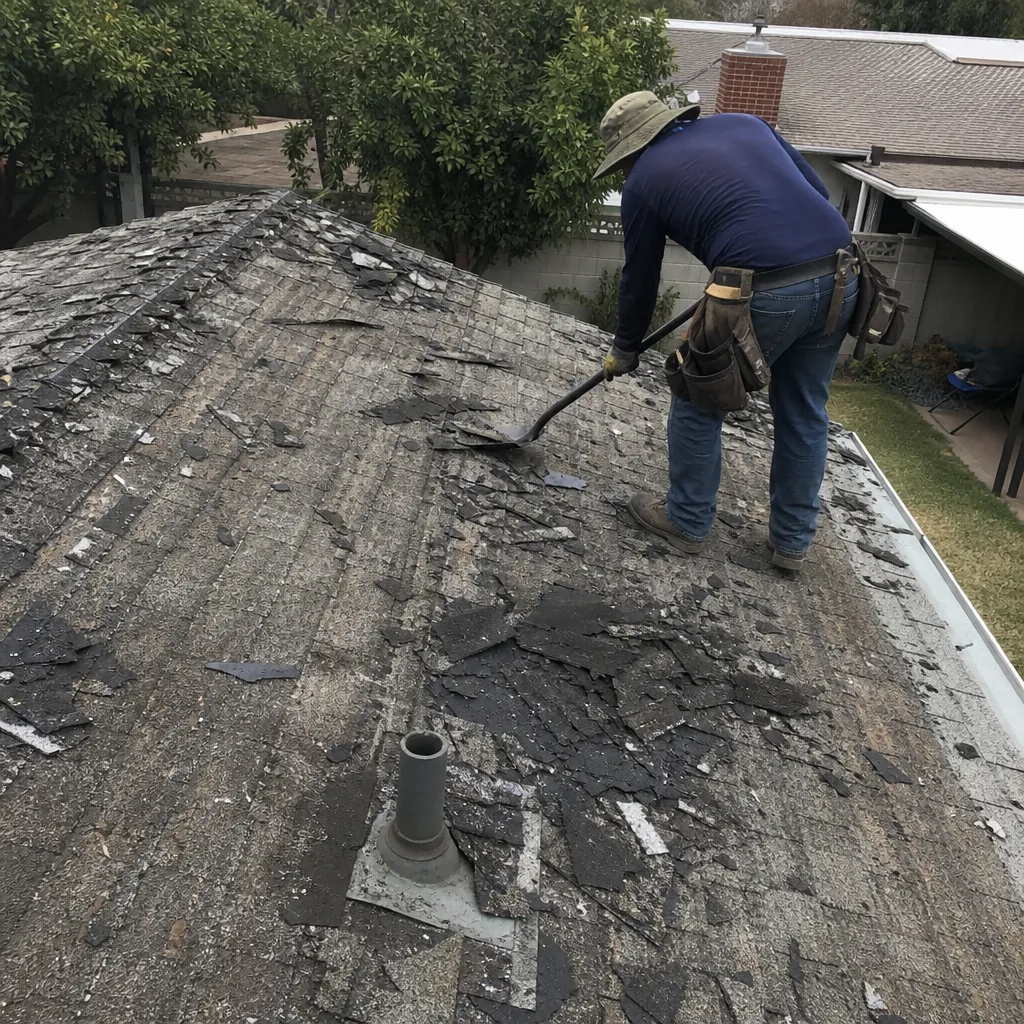 Before
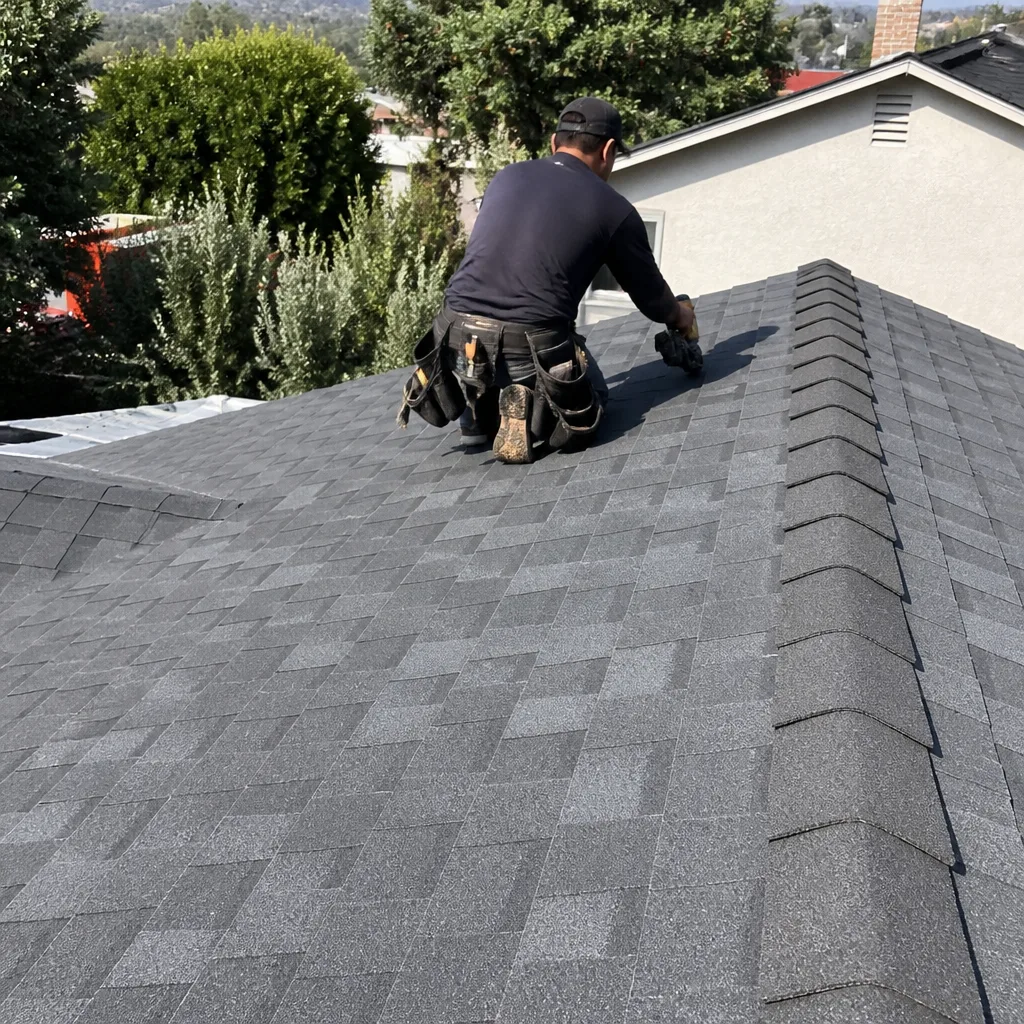 After
After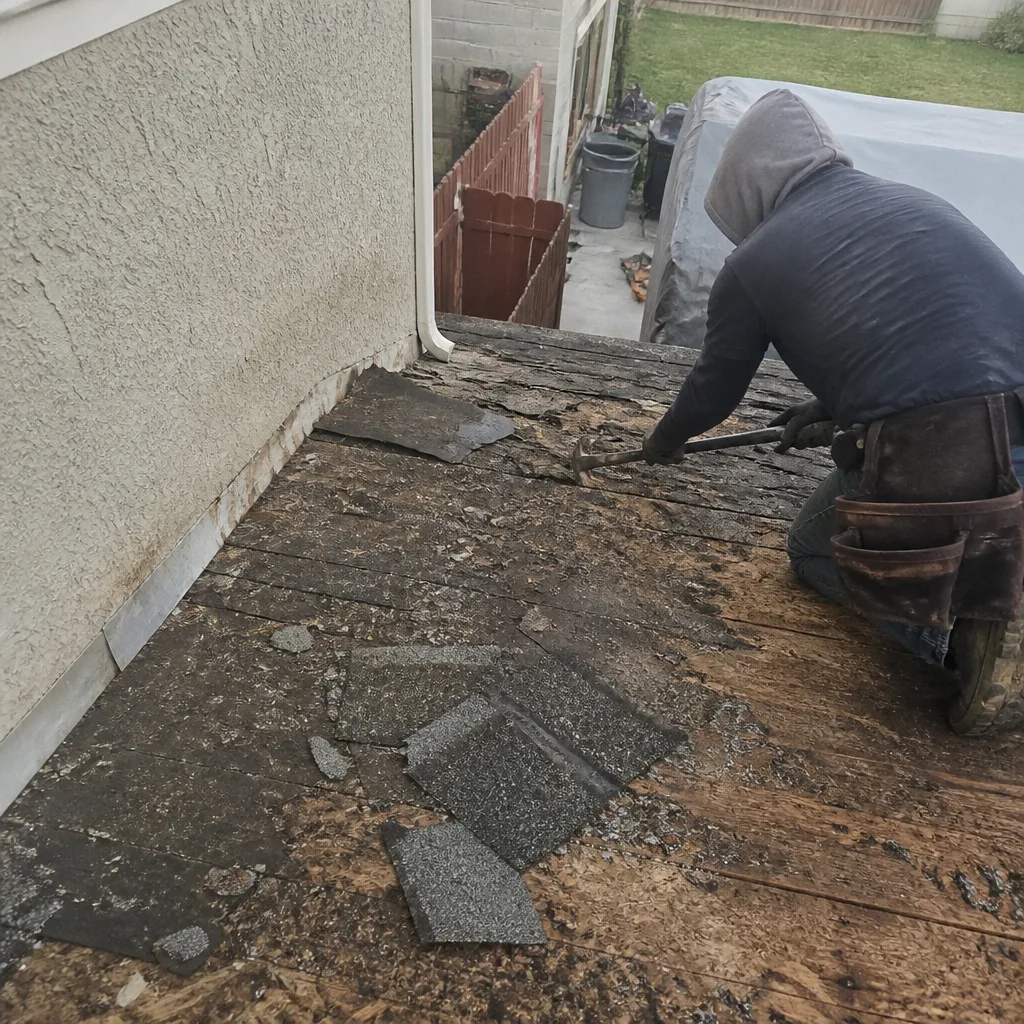 Before
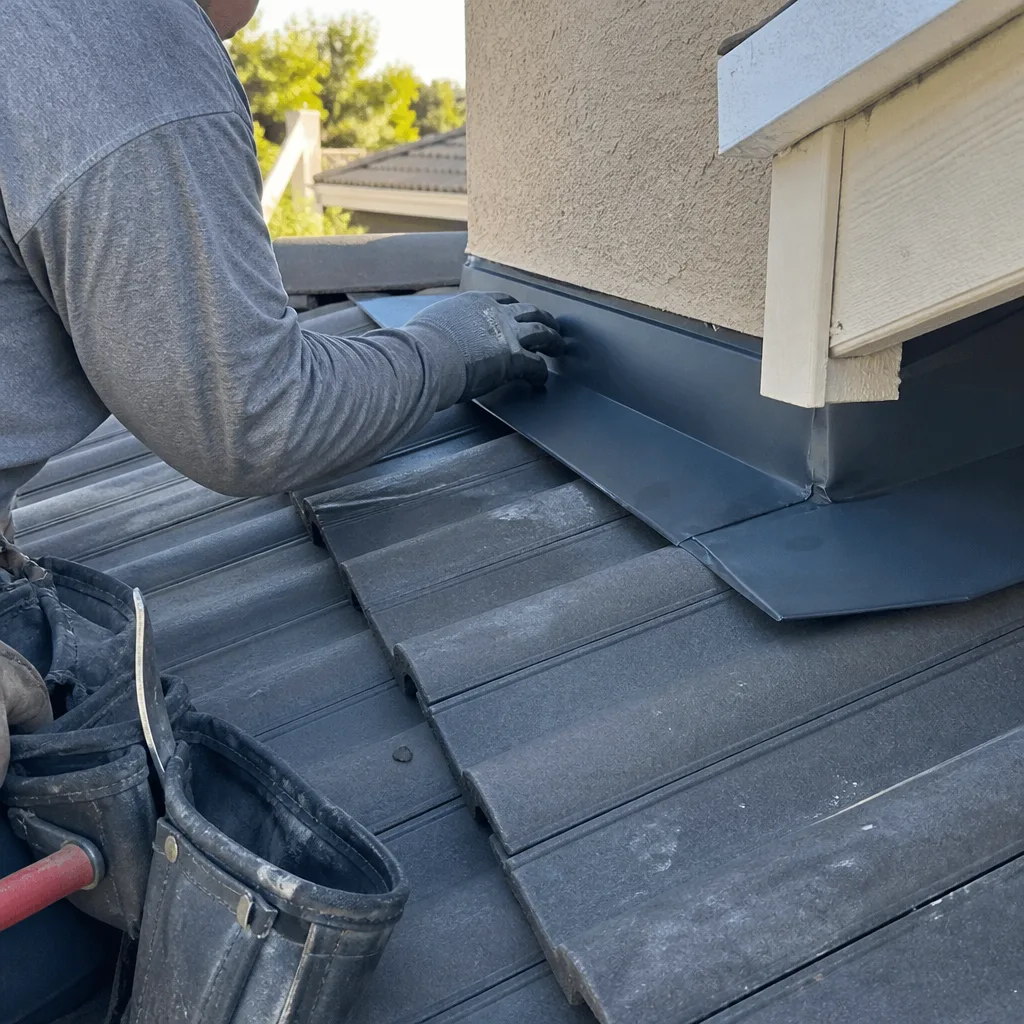 After
After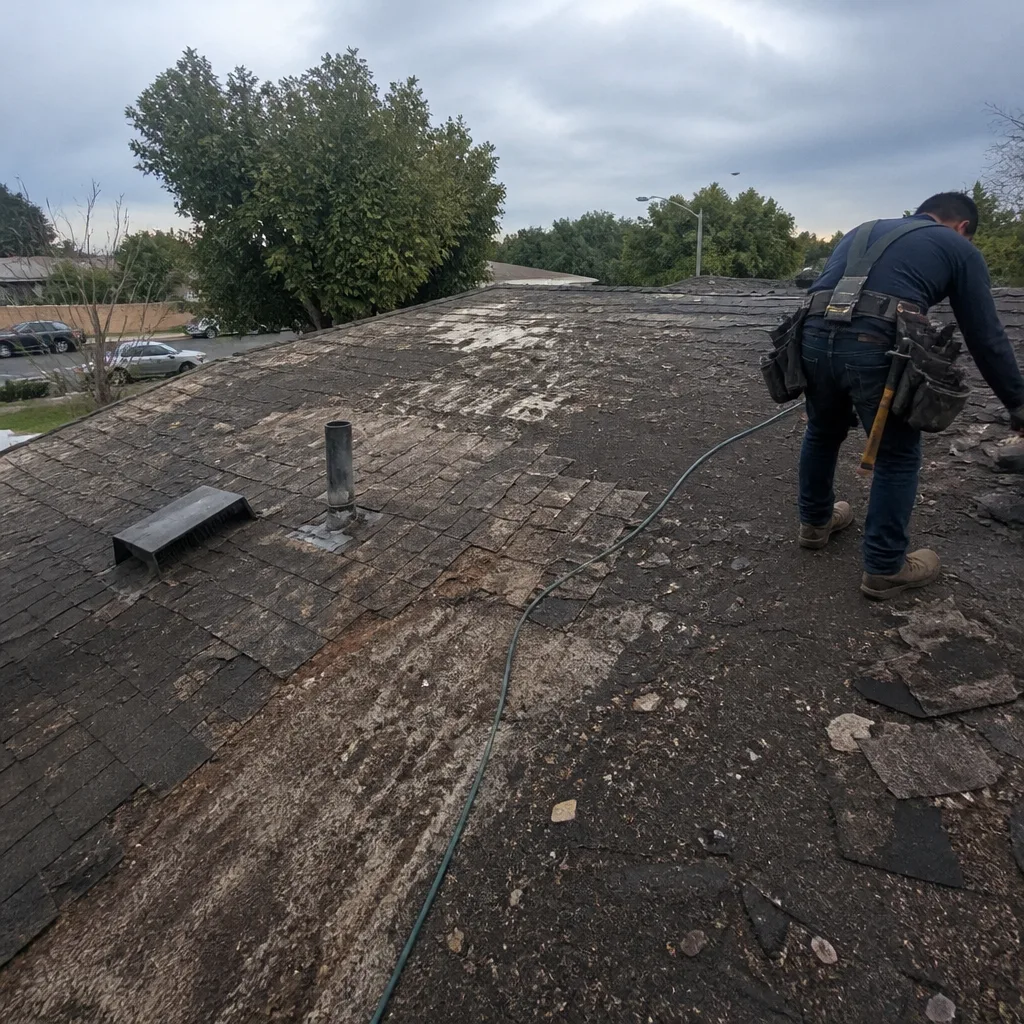 Before
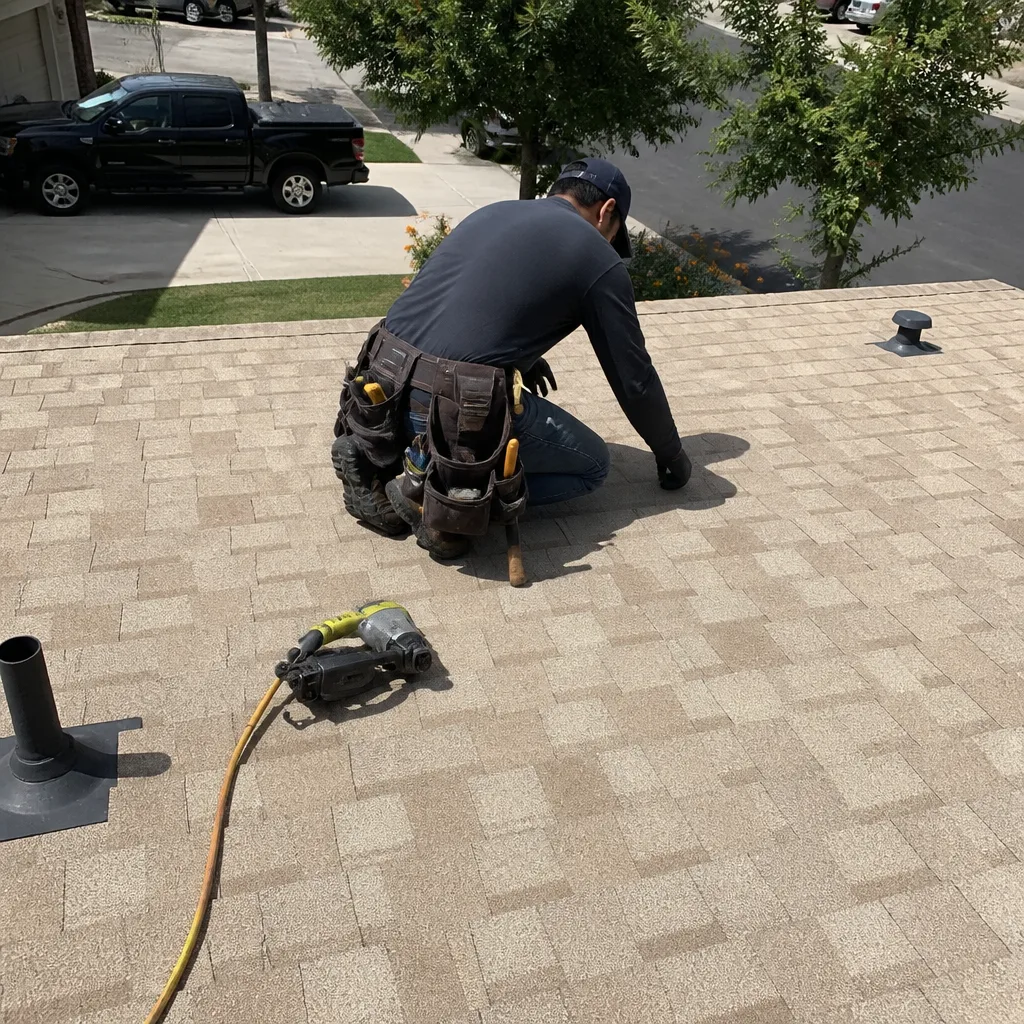 After
After