
Last updated October 17, 2026
 Metal roofing
 Architectural shingles
 Tile roofing
 GAF
GAF Owens Corning
 Flat & low-slope
Free roof inspection with deck photos before we talk money - GAF and Owens Corning certified installation
Seasonal Roofing Care for Riverside: Year-Round Homeowner’s Guide
Riverside gets roughly 10 inches of rain a year, less than London sees in a slow month, yet the damage that rain causes here is wildly disproportionate. Why? Because it falls fast, on sun-baked, cracked surfaces, after months of zero moisture. This guide lays out a month-by-month plan for Riverside homeowners who want to stop reacting to roof emergencies and start preventing them, and you can explore more guides & resources for year-round roof care. You’ll learn the two high-stress periods, the two maintenance windows, and the single monthly task that keeps a Riverside roof alive for decades.
Styles & brands we work with
Quick Answer
Seasonal roof care in Riverside means two maintenance pushes each year: one in October before the rains and one in April after the last Santa Ana winds. Focus your effort on valley flashing, sun-cracked sealant, and debris buildup. A homeowner who handles those three items on a set calendar will prevent most of the emergency calls that hit Riverside roofers between December and February.
Table of Contents
- The Riverside Roofing Calendar: Two Stress Periods, Two Windows
- The October Pre-Rain Window: Five Tasks That Matter Most
- Santa Ana Wind Season: The Damage Pattern Nobody Talks About
- What Summer Maintenance Actually Means in Riverside
- The Month-by-Month Single-Action Calendar
- Storm Damage vs. Normal Wear: How to Tell the Difference Before You Call
- How Riverside’s Climate Ages a Roof: Sun, Then Water
- Common Mistakes to Avoid
- When to Call a Professional
- Frequently Asked Questions
- The Bottom Line
The Riverside Roofing Calendar: Two Stress Periods, Two Windows
Riverside does not have four roofing seasons. We have two high-stress periods, the winter rain months and the October-to-March Santa Ana wind season, and two maintenance windows, April and October, when a homeowner can actually get useful work done before the weather turns. Once you see that calendar, most roof care stops being reactive.
The first high-stress period runs December through February. That’s when fast, heavy rain hits a roof surface that has been drying and cracking under Riverside sun for eight months. Small fissures in sealant become water channels. Flashing that expanded and contracted through 120-degree summer afternoons and 40-degree winter nights pulls away from the chimney or valley line. Water finds those gaps within the first hour of a hard storm.
The second high-stress period overlaps with it: Santa Ana wind season, typically October through March. Winds of 40 to 60 miles per hour, with gusts higher, hit the north-facing slopes and ridge lines first. Loose tiles lift, nails back out, and lightweight debris becomes a projectile. The damage pattern is mechanical, not water-based, which means it requires a different inspection approach.
The maintenance windows are April and October. April is after the last Santa Ana winds and the last serious rain, when you can move loose material without fighting a downpour. October is before the first rain, when you still have six to eight weeks of dry weather to pull off any repair. Doing the October tasks in November is often too late: daylight is short, roofing crews are booked, and the first storm does not wait for your calendar. For help finding qualified help, see How to Hire a Roofing Contractor in Riverside: A Step-by-Step Guide.
Our experience as Riverside roofing contractors says the homeowner who schedules two focused days a year, one in April and one in October, will rarely face a middle-of-February emergency. The homeowner who ignores the calendar will, almost without exception, meet us during a rainstorm.
The October Pre-Rain Window: Five Tasks That Matter Most
The October maintenance window is the single most important stretch on the Riverside roofing calendar. By Halloween, the wet season can start any week. Here are the five tasks that matter most, ordered by the number of leak calls they prevent each winter.
- Reseal valley flashing and pipe boots. In Riverside, the sun degrades sealant faster than rain ever could. After a full summer, the sealant around valley metal, pipe collars, and skylight frames is often brittle and cracking. A tube of high-quality roof sealant costs under $20 and closes those gaps for another year. This one task prevents more December leaks than any other.
- Clean all gutters and downspouts, especially at valley ends. Riverside’s native trees, sycamore, oak, and eucalyptus, drop leaves in October and November. A blocked gutter at the bottom of a valley sends water sideways into the fascia and under the eave. That is a classic Riverside leak pattern we see every December.
- Check the ridge cap and field tiles for cracked or slipped pieces. After a hot summer, cement and clay tiles can crack from thermal stress. Look at the ridge line from the street: missing or shifted caps are easy to spot. One slipped ridge cap can funnel water directly into the attic.
- Inspect all penetrations: vents, chimneys, HVAC curbs. Every pipe or box that goes through the roof is a failure point. The sealant around these penetrations should be soft, not dry and chalky. If you can scrape it off with a fingernail, it has failed and needs replacement before rain arrives.
- Walk the interior: attic and ceilings beneath the roof. On a sunny October afternoon, go into the attic with a flashlight. Look for light coming through roof decking gaps, dark staining on rafters, or any musty smell. These are early warning signs that a roof is compromised before the first storm hits.
Doing these five tasks in October costs most Riverside homeowners nothing but a Saturday afternoon. Doing them in November often means calling a roofer in the rain, paying emergency rates, and waiting for a dry day that may not come for weeks. Our crews at Tilehurst Roofing Riverside book out two to three weeks once the first rain hits. October is the month to avoid that line entirely.
Santa Ana Wind Season: The Damage Pattern Nobody Talks About
Ask most Riverside homeowners about roof damage and they think water. But a significant percentage of winter roof failures here start with wind, not rain, and the two are often incorrectly lumped together in inspection advice. Santa Ana winds, typically October through March, with peak months in November and December, create their own damage pattern that looks very different from water damage.
Santa Anas are dry, high-pressure winds that pour down through the Cajon Pass and the Santa Ana River corridor. They hit Riverside roofs with sustained force, not occasional gusts. The wind itself does not loosen a well-installed roof. What it does is test every nail and seam that the Riverside sun has already weakened. Roofing nails back out of decking as OSB and plywood expand and contract through summer heat cycles. Loose tiles then become wind sails: the wind gets under the leading edge and pops the tile up, then the tile lands cracked or displaced.
The typical Santa Ana damage pattern includes: lifted ridge caps, shifted tiles on north-facing slopes, broken tile corners where debris struck, and pulled-back flashing at the roof edges. Water may not enter the home for weeks after the wind event, which is why many homeowners never connect the February leak to the December wind storm.
The inspection advice must therefore be separated. After a Santa Ana event, check the roof from the ground first: look for shifted tile lines, missing ridge caps, or pieces of tile in the yard. Then check attic spaces on the downwind side of the home. What you should not do is wait for a rainstorm to reveal the damage, because by then the interior damage may already be significant.
Understanding this distinction also matters for insurance. Wind damage is a separate covered peril from rain-driven water intrusion in most California homeowners policies. If you can document that the roof was damaged by a specific wind event, not by gradual sun wear, your claim stands a much better chance. More on that in the storm damage section below.
What Summer Maintenance Actually Means in Riverside
In most of the country, summer maintenance means checking for hail or preparing for next winter. In Riverside, summer is the season when your roof is under the most sustained stress all year, not from weather events, but from ambient heat and ultraviolet radiation. A tile roof in Riverside can reach 140 to 160 degrees Fahrenheit on a July afternoon. That heat does three things: it dries out sealant, it expands and contracts roofing materials, and it superheats the attic air, which then radiates downward into the living space.
The most useful summer maintenance task in Riverside is an attic ventilation check. Walk through the attic at noon on a hot day. If the air is sluggish, stale, and well above the outside temperature, you likely have a ventilation problem. Proper roof ventilation, meaning the right balance of intake at the soffit and exhaust at the ridge, keeps the attic within 10 to 15 degrees of outside air. A hot attic shortens the lifespan of the roof decking and the underlayment, because those materials bake from below while the sun bakes from above.
The second summer task is UV sealant inspection. The sealant at roof penetrations and flashing joints degrades in direct proportion to the number of high-UV days it endures. Riverside averages over 270 sunny days a year, so the sealant on your roof is aging faster than the same product would in Seattle or Portland. Checking it in August and re-applying as needed means October’s pre-rain window is less urgent.
Finally, consider the attic temperature’s effect on tile lifespan. Cement and clay tiles are fired products, but the underlayment beneath them, and the decking beneath that, are not. Tile manufacturers like Boral and CertainTeed warrant their products assuming a roofing system with adequate ventilation because the underlayment degrades faster in a hot, stagnant attic. A well-ventilated attic can add years to the service life of any Riverside roof, regardless of what material is on top.
The Month-by-Month Single-Action Calendar
Most Riverside homeowners will not do a full inspection twice a year. That is not laziness; it is reality. Here is a year-round calendar with one single action per month, none taking more than 90 minutes, that collectively provides about 80 percent of the protection of a professional maintenance program.
- January: After the first heavy rain, check ceilings beneath the roof slope for any new discoloration. Mark the spot with painter’s tape and photograph it.
- February: Check the attic for damp insulation or wet decking during the first dry stretch of the month. Santa Ana and rain damage often reveal themselves together in February.
- March: Look at the ridge cap from the street or a ladder. Note any cracked, shifted, or missing pieces that wind has moved over the winter.
- April: Clear out gutters after the last Santa Anas. Remove all leaf litter, check for granule buildup on an asphalt roof, and unclog every downspout.
- May: Inspect the flashing where the roof meets vertical surfaces: chimneys, walls, plumbing vents. Re-seal any visible gaps while the weather is consistently dry.
- June: Feel the attic temperature at noon. If it is dramatically hotter than outside, note the square footage of soffit vents. A ventilation issue is easier to fix before the hottest months.
- July: Check pipe boots and skylight seals for cracking and chalkiness. July sun is the most destructive force on roof sealant all year.
- August: Walk the yard and photograph any roof sections visible from the ground. Compare photos against March observations to catch shifting tiles or growing cracks.
- September: Trim tree branches that now overhang the roof, before the fall leaf drop lands squarely in the gutter. Riverside sycamores are particularly heavy shedders.
- October: Complete the five-task October checklist from above: reseal valleys, clean gutters, check ridge caps, inspect penetrations, walk the attic.
- November: After the first Santa Ana event, check for shifted tiles and wind-lifted flashing. Make any needed repairs before the real rain begins.
- December: During the first heavy storm, watch the downspouts. If water is not flowing freely, note which gutter section is blocked and clear it when the rain stops.
This calendar is designed to be realistic. Each month is one small task with a clear observable goal. A homeowner who follows even eight of the twelve months will have a materially healthier roof than the average Riverside homeowner who ignores the roof until it breaks.
Storm Damage vs. Normal Wear: How to Tell the Difference Before You Call
The call order matters. If your roof is leaking after a storm, the first call should usually be to your insurance company, not a roofer. But if the damage is normal wear, that call to insurance will hurt you more than help: the claim may be denied, and you will have started a claims history that raises premiums. Riverside homeowners need to distinguish the two before dialing.
Storm damage signs (potentially covered by insurance)
- Damage that appeared after a specific, documented weather event: a Santa Ana wind storm, a heavy rain, a named storm system moving through.
- Lifted or missing shingles or tiles concentrated on one roof slope, usually the windward side.
- Debris impact: broken tiles, cracked underlayment, dented metal vents, or scuffs from tree branches.
- Water staining that follows a single storm and grows rapidly afterward.
- Ridge cap damage or flashing pulled away in one direction, matching the wind pattern of a known event.
Normal wear signs (not typically covered by insurance)
- Evenly distributed granular loss on an asphalt shingle roof, visible as bald spots or granules in the gutter after every rain.
- Sun-cracked sealant around every penetration, not just one.
- Brittle, crumbling pipe boots on all roof penetrations at the same time.
- Slow, even sagging of the roof decking along an entire section.
- Rust along flashing seams that has been present for years, not days.
The practical test: if the damage is concentrated, sudden, and traceable to a specific weather event, call your insurance company first. If the damage is widespread, gradual, and consistent with the age of the roof, call a roofer. An experienced roof repair company in Riverside can walk the roof and give you a written assessment of which category the damage falls into, which helps you make the insurance call with confidence. That assessment should cost nothing: a reputable Riverside roofer gives free estimates, and we do exactly that.
How Riverside’s Climate Ages a Roof: Sun, Then Water
Riverside’s roof-killing sequence is always the same: sun first, water second. The sun weakens the roof’s defenses over eight dry months, then the water exploits every weakness in eight wet weeks. Understanding that sequence explains why a roof that looks fine in October can leak by January.
Start with the concrete numbers. Riverside receives roughly 10 inches of rain per year, but almost all of it falls between December and March. The average summer sees over 100 days above 90 degrees Fahrenheit, with spikes above 110. That temperature swing of 60 to 70 degrees between day and night means roofing materials expand and contract daily. Nails work loose. Sealant cracks. Flashing pulls from its bedding. Tiles rub against each other at the edges.
Then the rain arrives. In a healthy roofing system, underlayment beneath the tiles or shingles carries away any water that gets past the outer layer. But if the sun has already broken the sealant, loosened the flashing, and lifted the ridge caps, the underlayment is the last line of defense. And underlayment in Riverside is often older than the visible roof surface because homeowners replace what they can see and forget what they cannot.
The neighborhoods of Riverside feel this differently. Homes in the older tree-lined streets of Magnolia Center and the Wood Streets deal with leaf litter and debris from mature sycamores and oaks, while homes in the newer tracts in Mission Grove and Orangecrest deal with less canopy but more direct afternoon sun on south-facing slopes. Homes in the hillier sections, like Alessandro Heights, feel the Santa Anas more sharply because the wind compresses against the terrain. A roof that is fine at the bottom of the hill may be missing tiles at the top.
If you are evaluating a roofing material for a Riverside roof replacement, you want something that handles the sun-water cycle well. Boral and CertainTeed both make products engineered for high-UV, low-precipitation climates. GAF and Owens Corning have asphalt shingle lines rated for long sun exposure. The material matters, but the system details, underlayment, ventilation, flashing, and sealant, matter more. In the Riverside climate, a roof lives or dies by its weakest seam, not its strongest shingle.
Common Mistakes to Avoid
- Waiting until November for October work. Riverside’s first serious rain often arrives by Thanksgiving, and roofing crews are booked solid by then. October is the window, not November.
- Ignoring Santa Ana damage because nothing leaked. Wind damage without immediate water intrusion is still damage. By the time it leaks, the water has been running inside the attic for weeks.
- Re-sealing over old sealant. New sealant does not bond to chalky, failing sealant. Scrape the old bead off first, then apply. This is one of the most common causes of repeat leaks we see on Riverside homes.
- Assuming all roof damage is covered by insurance. Gradual sun wear and age-related deterioration are maintenance issues, not covered perils. Know the difference before you file.
- Only cleaning gutters once a year. In Riverside, with its sycamores, oaks, and eucalyptus, gutters often clog twice: once in late fall and again in late spring. A single October cleaning is not enough for many properties.
- Treating the attic as storage instead of a system component. A roof is the outer layer, but the attic is the breathing system. Blocking soffit vents with boxes or insulation gradually cooks the roof decking from inside.
- Putting off small flashing repairs. A visible gap in flashing is a future leak. It will not seal itself, and the next rain will find it. Small defects in Riverside become big problems in January.
When to Call a Professional
Some roof work is a weekend task. Some is a job for someone who carries roofing insurance and does not have an immediate need to walk on a roof’s surface with a caulk gun and a flashlight. Call a professional when you see any of the following: water staining on interior ceilings or walls that grows after rain, large sections of missing or shifted tiles after a windstorm, visible sagging in the roof decking, daylight visible through the attic roof boards, recurring leaks in the same spot despite resealing, or any situation where you would need to walk the roof slope itself rather than observing from a ladder or from the ground.
Walking a Riverside tile roof is particularly risky after rain or during the early morning, when tiles are slick with dew. Tilehurst Roofing Riverside offers free estimates in Riverside, and our crews are trained to walk tile without cracking it. Call (562) 315-0297 and we will give you a written price before any work starts, so you know the number before you commit to anything.
Frequently Asked Questions
Twice a year is ideal in Riverside: once in October before the rains and once in April after the Santa Ana season ends. If you only do one, make it the October inspection, because that is the one that prevents winter leaks. A professional inspection from Tilehurst Roofing Riverside is free and includes a written report of what we found, what needs work now, and what can wait.
Basic maintenance tasks, cleaning gutters, resealing pipe boots, checking ridge caps, cost under $100 in materials if you do them yourself. A professional roof tune-up in Riverside typically runs $250 to $500, depending on roof size and complexity. A small flashing repair or sealant replacement during the maintenance visit may add $150 to $400. Call (562) 315-0297 for an exact quote, our estimates are free and the price is in writing before any work starts.
We aim to get trained crews to emergency leaks quickly, often the same day, with a written price in hand before any work begins. The shorter the time between leak discovery and repair, the less interior damage you sustain. Call (562) 315-0297 and a live person will answer, 24 hours a day, 7 days a week, including weekends and evenings.
No. That is not how we operate. Every job at Tilehurst Roofing Riverside starts with a written price that is in your hands before any work starts. The price does not change unless we find hidden damage that requires a written change order you approve first. There is no door-knock renegotiation, no surprise line item, no “we discovered something” call that doubles the bill.
Yes. When a roof repair or replacement requires a permit under Riverside city code, we pull the permit, schedule the inspection, and confirm the work passes before we consider the job complete. A full roof replacement almost always requires a permit and passing final inspection. A small repair often does not, and we will tell you which applies to your project before you spend anything.
With proper maintenance, a clay or concrete tile roof in Riverside can last 50 years or more, and an asphalt shingle roof typically lasts 20 to 30 years. The factors that shorten those lifespans are poor attic ventilation, failed sealant around penetrations, and delayed repairs after winter storms. A maintained roof in Riverside can significantly outlast the same roof in a coastal city simply because rainfall is lower and the main destructive force, UV, works slowly on quality materials.
The Bottom Line
Riverside’s roof problems are predictable because the climate is predictable. Sun dries and cracks in the summer. Santa Anas lift and shift in the fall. Rain exploits the damage in the winter. If you maintain on the seasonal calendar, two windows a year, one in April and one in October, you will prevent most of the emergency calls that keep Riverside roofers busy every winter. And if the roof does fail, you want a company that answers the phone at 2 a.m., puts a written price in your hand before touching the roof, and comes back at no charge if the repair fails. That is the standard every Riverside homeowner deserves. Call (562) 315-0297 to schedule your free estimate, and we will show you exactly what your roof needs before the next storm.
Written by Greg Holloway, Owner at Tilehurst Roofing Riverside, serving Riverside since 2000.
See the difference
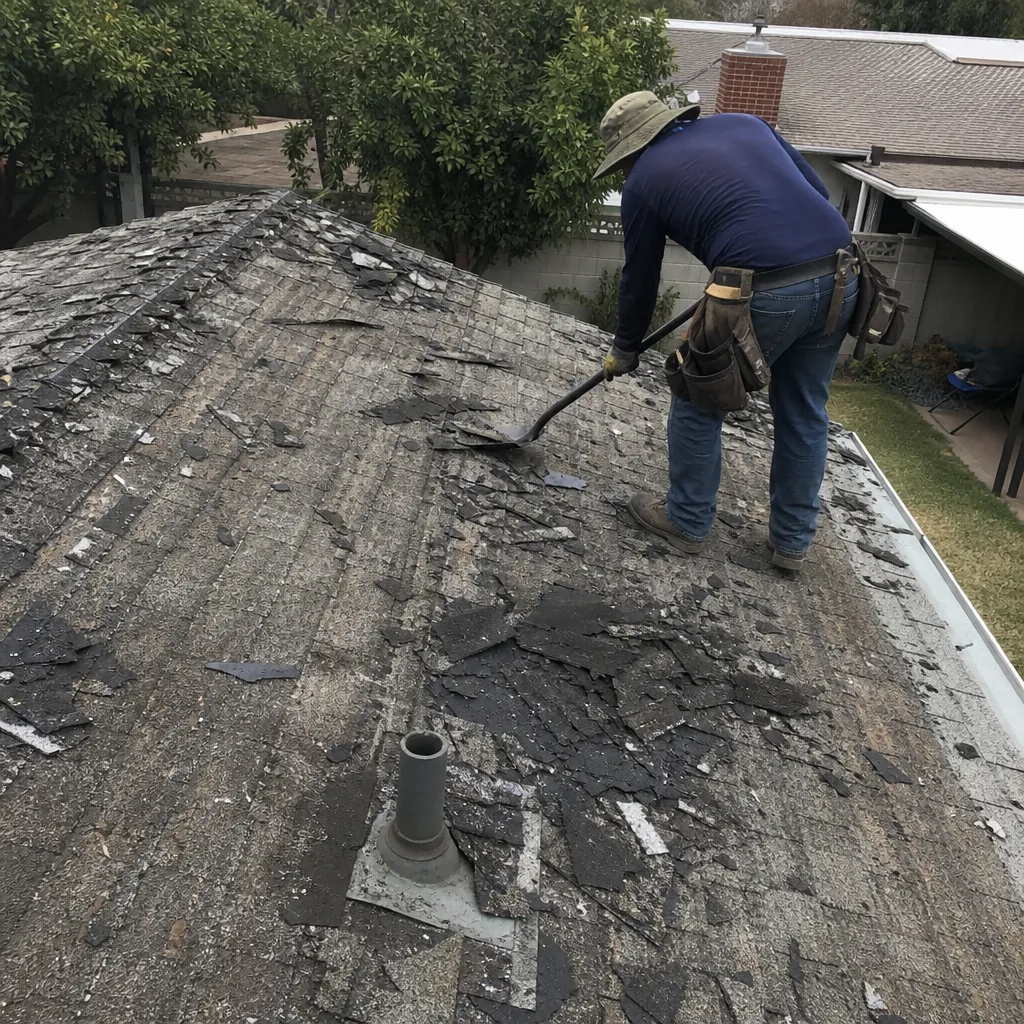 Before
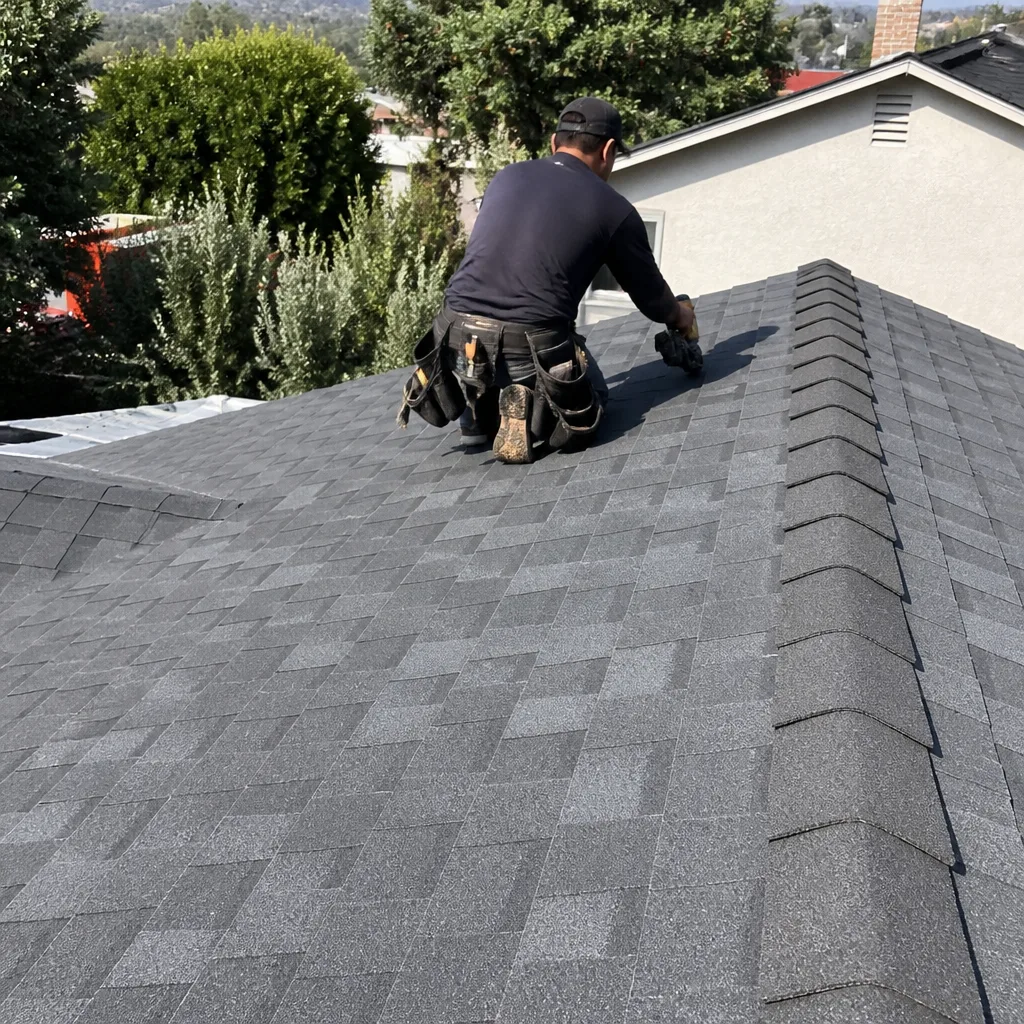 After
After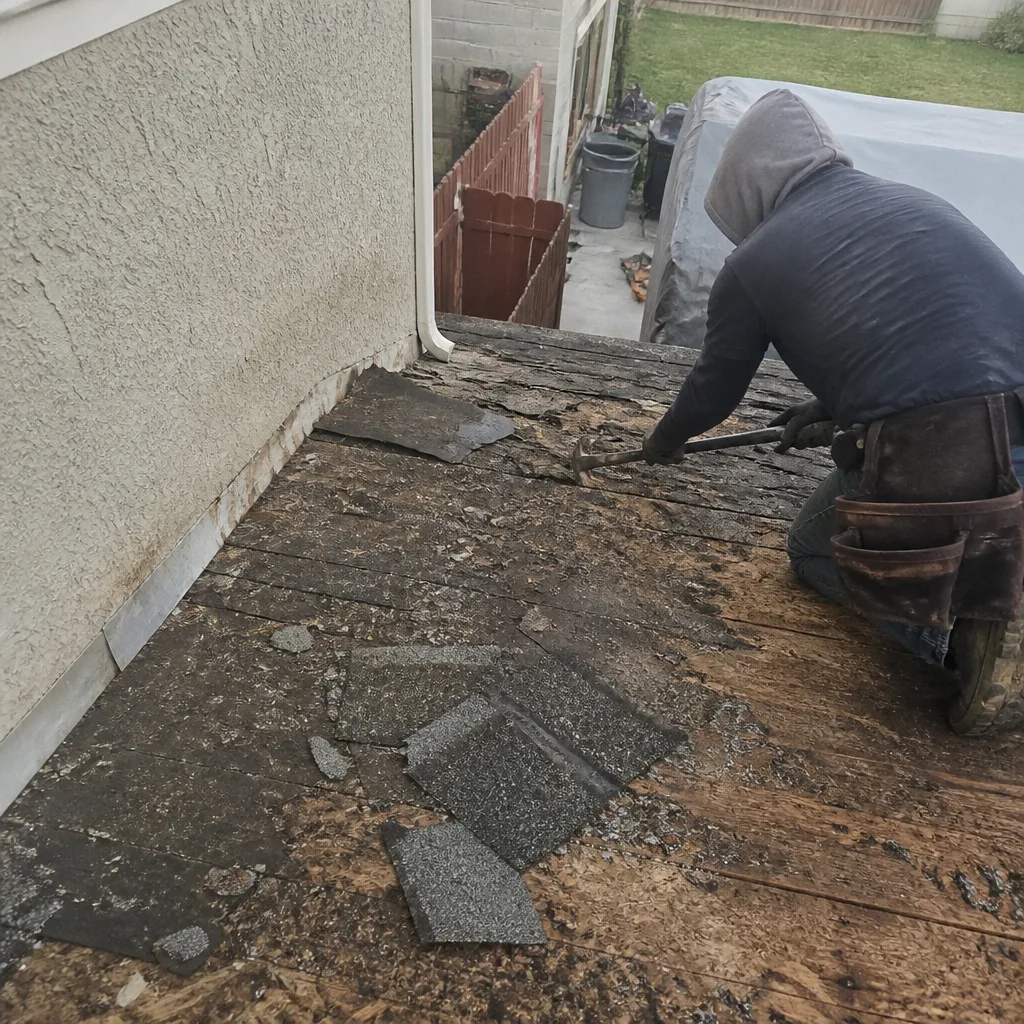 Before
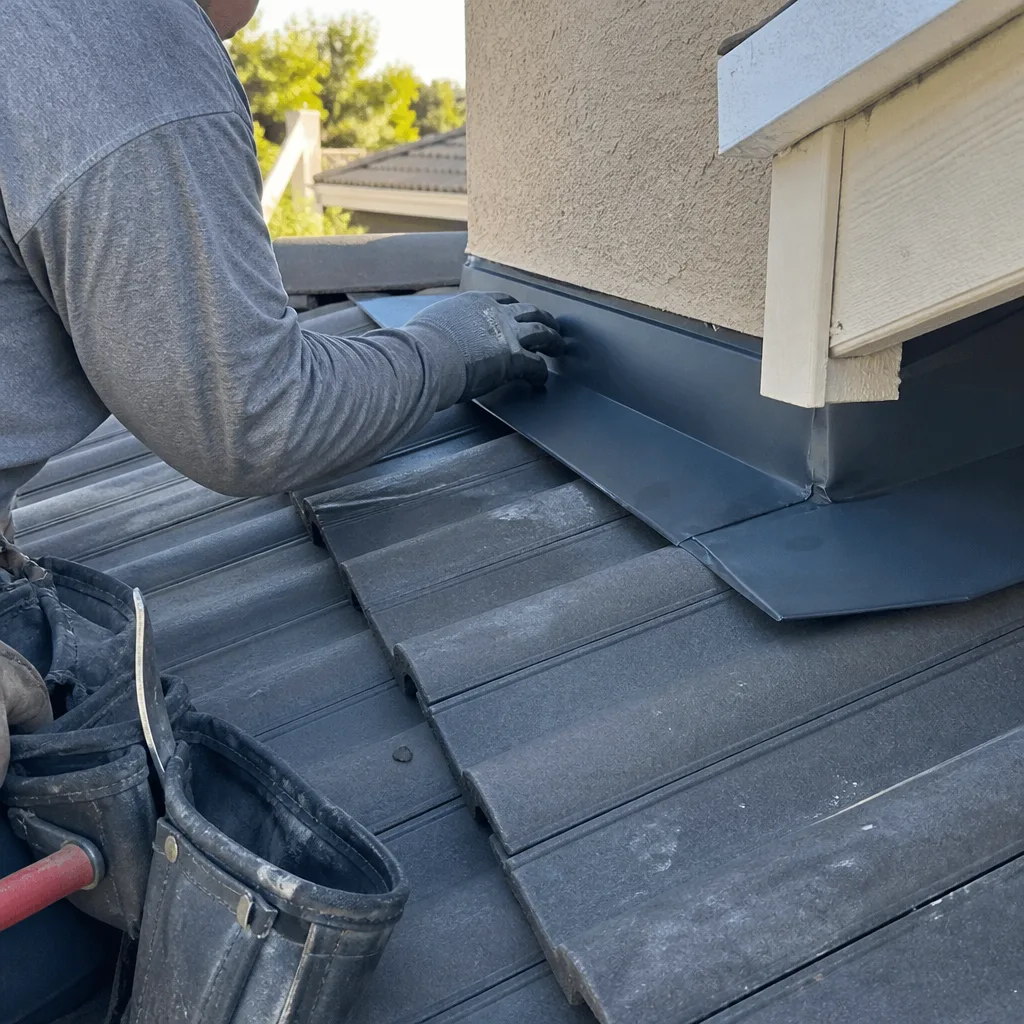 After
After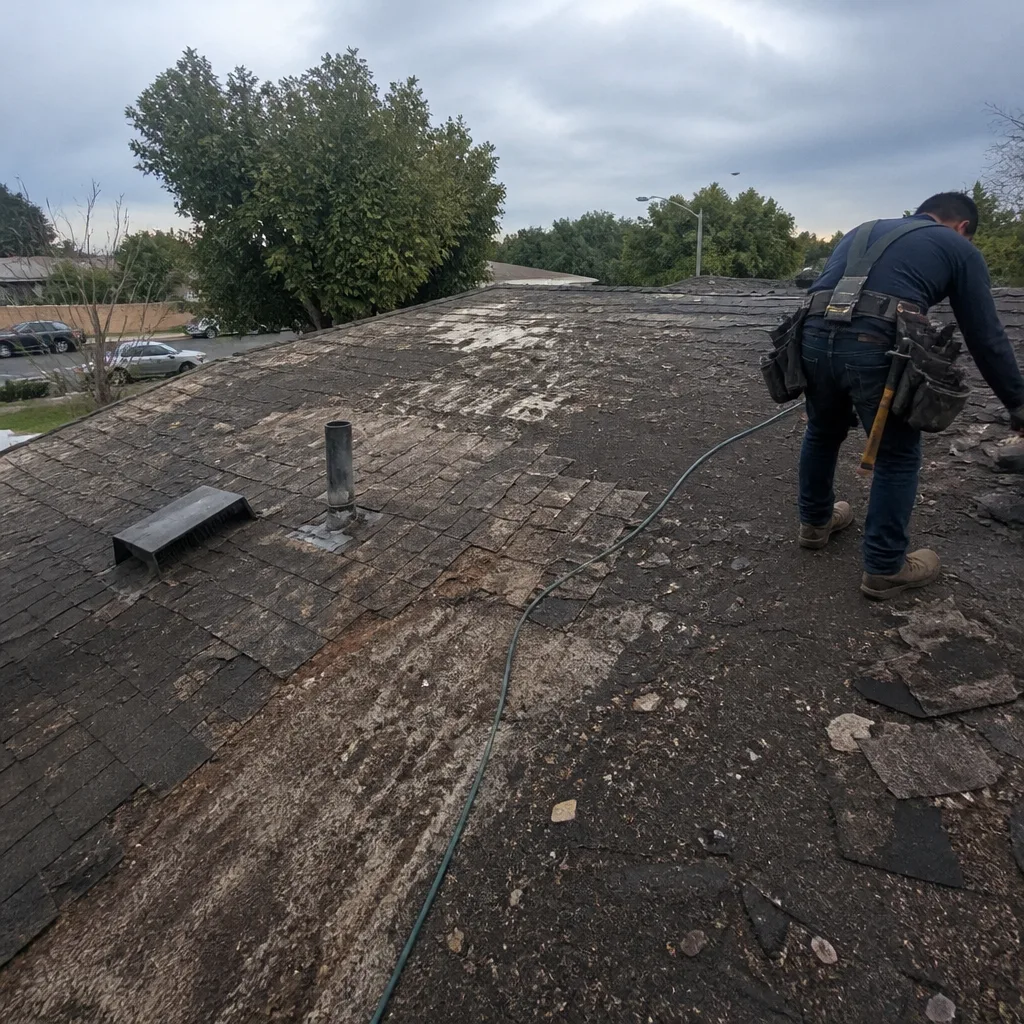 Before
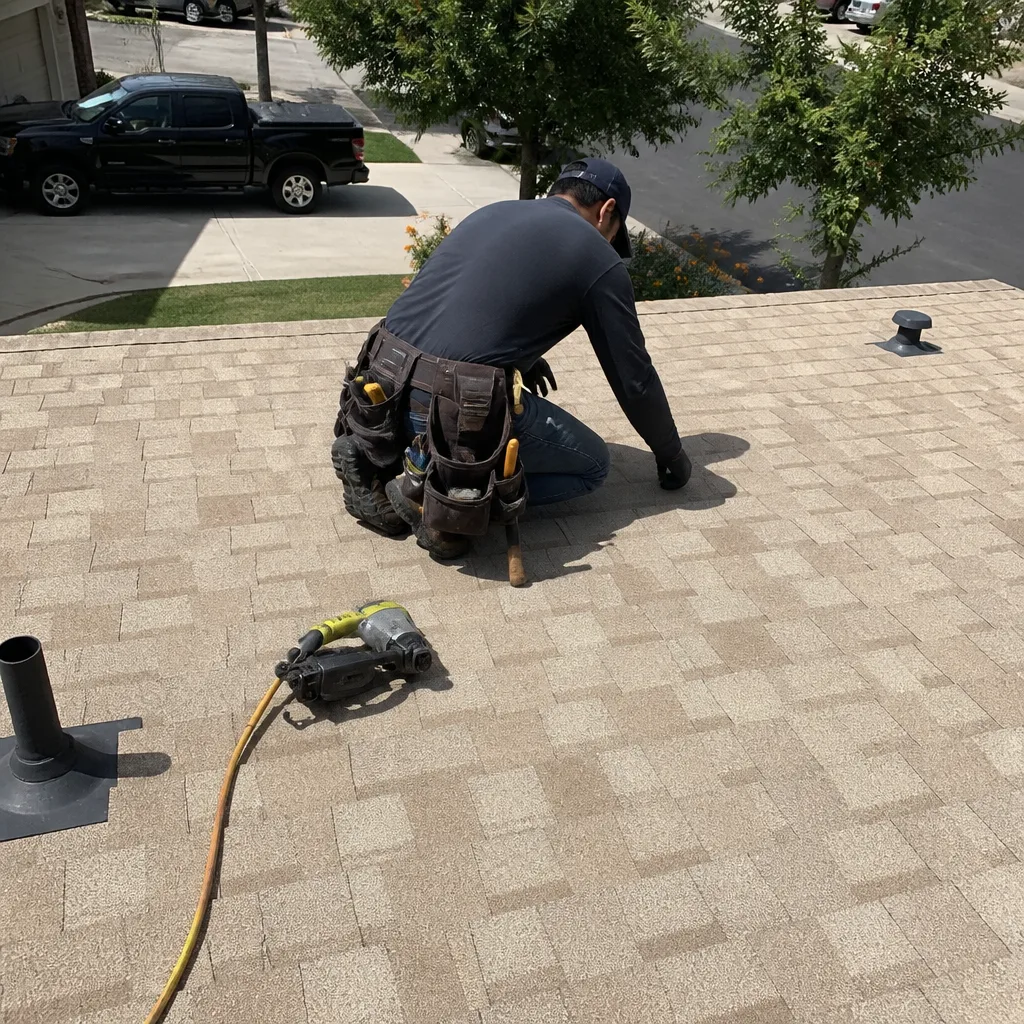 After
After