
Last updated October 17, 2026
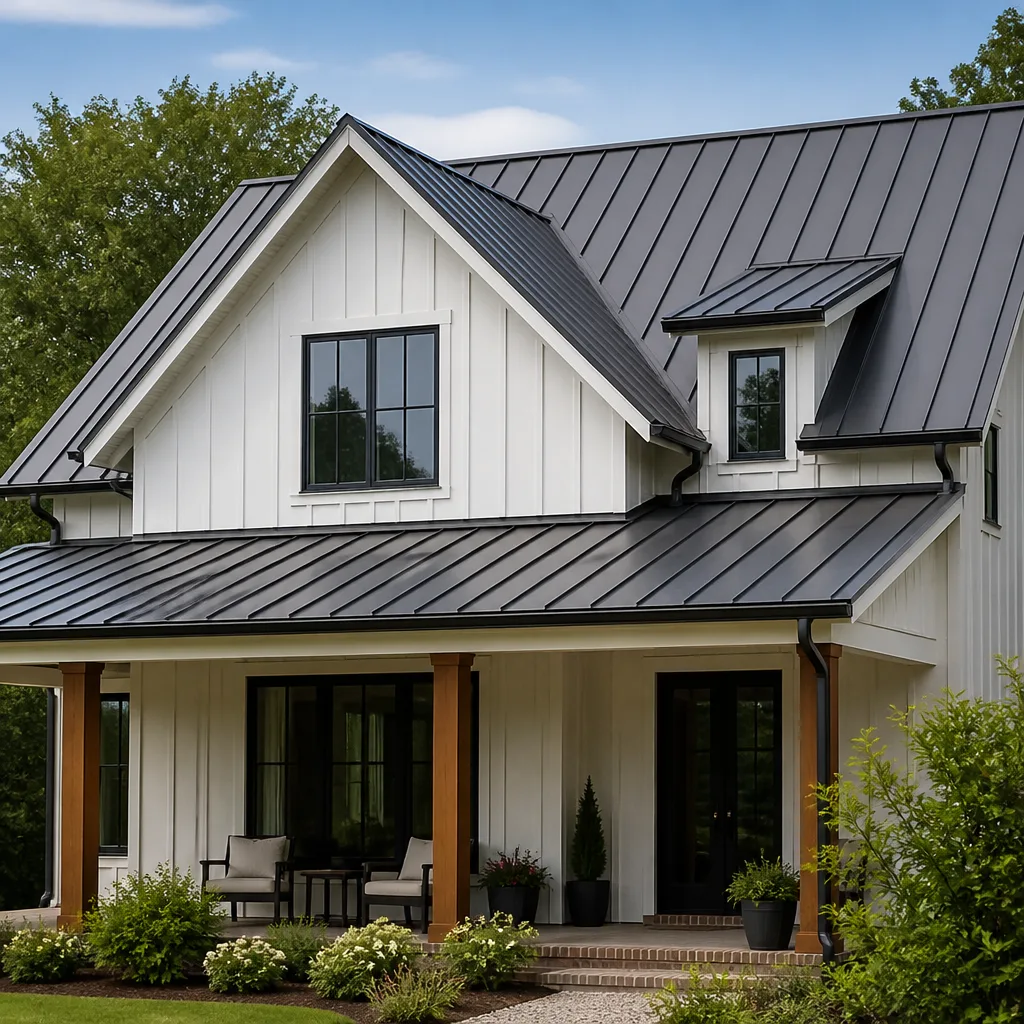 Metal roofing
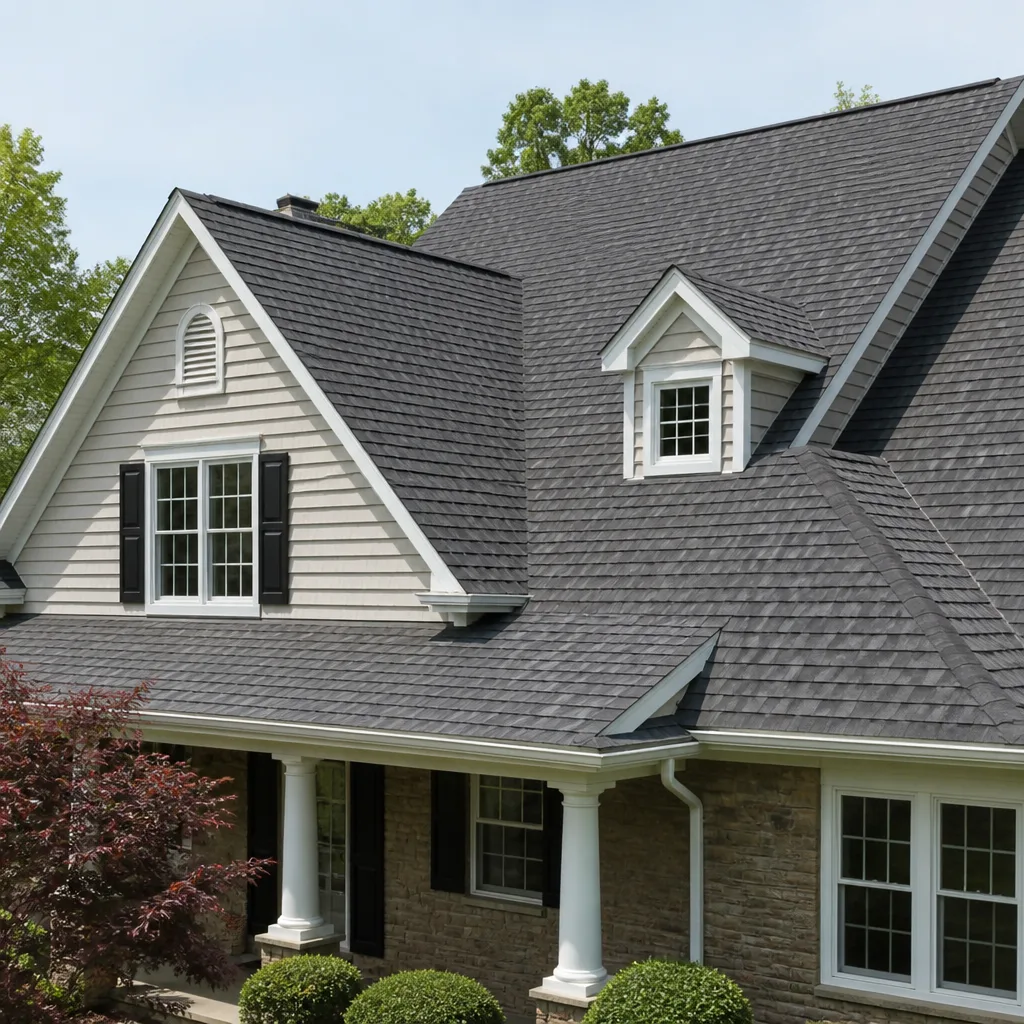 Architectural shingles
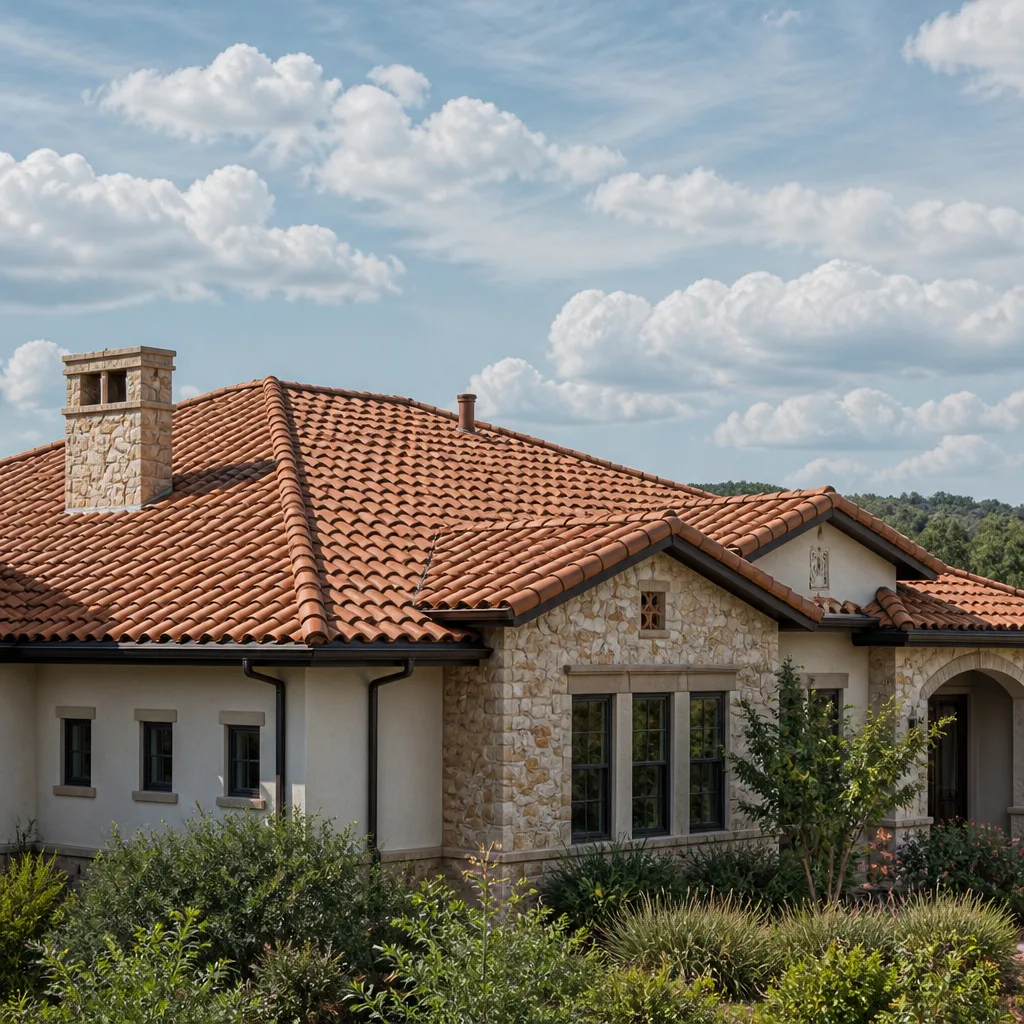 Tile roofing
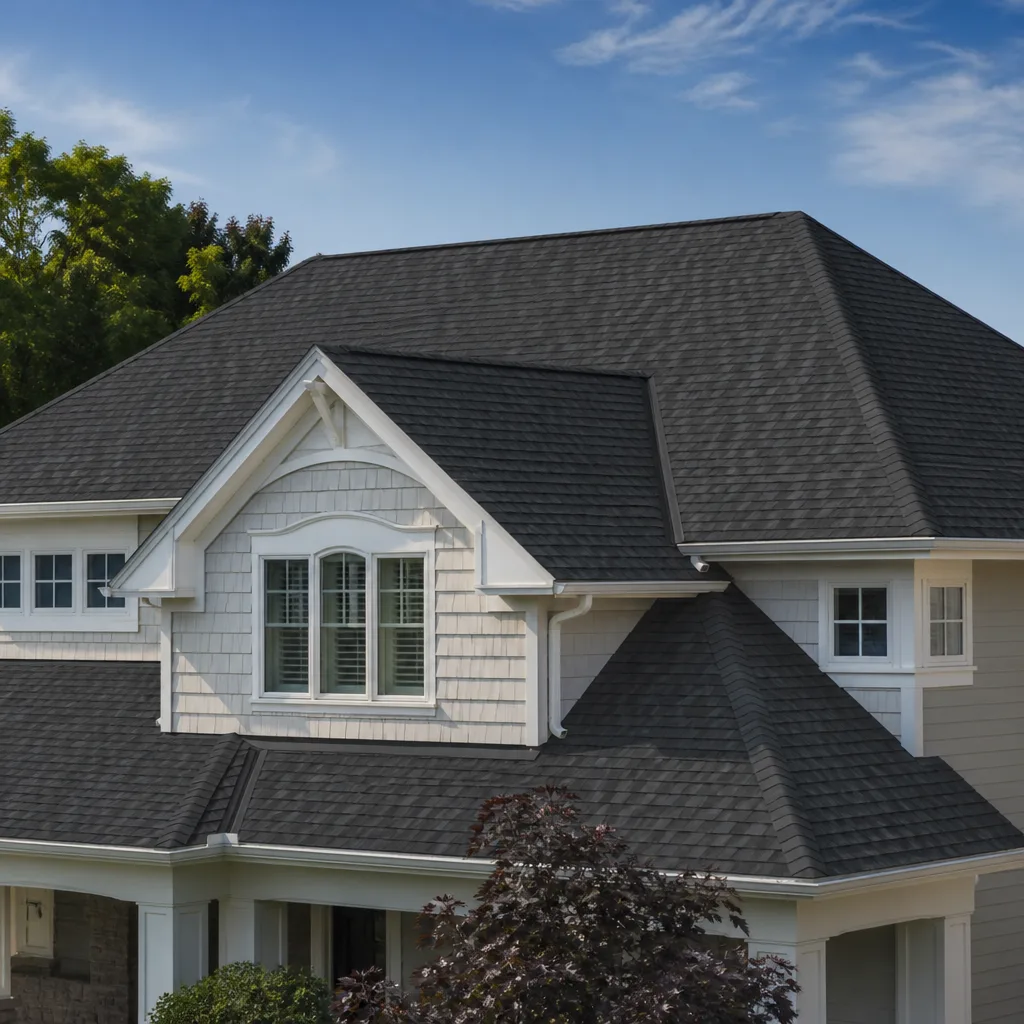 GAF
GAF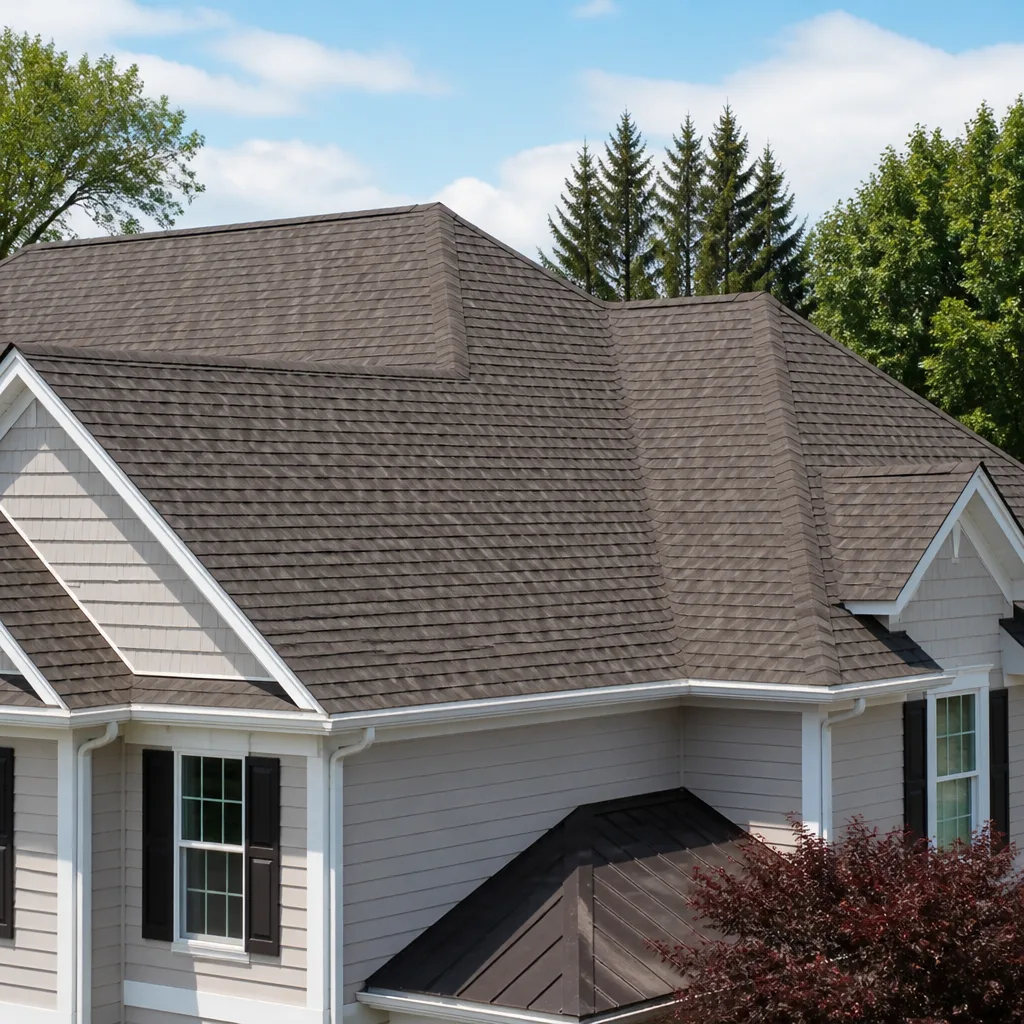 Owens Corning
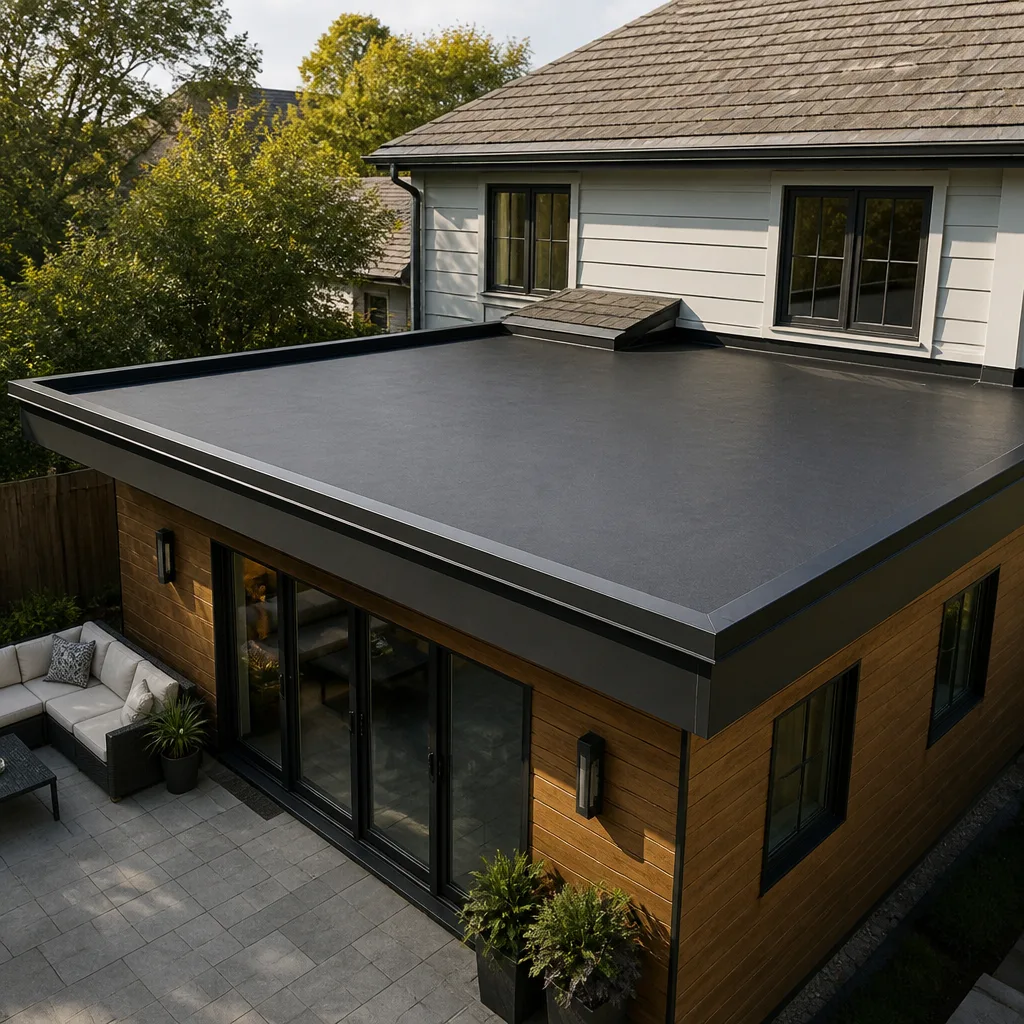 Flat & low-slope
Free roof inspection with deck photos before we talk money - GAF and Owens Corning certified installation
DIY vs Professional Roofing: The Riverside Homeowner’s Decision Guide
California law lets a homeowner pull a permit and reshingle their own house. That’s the headline most DIY guides lead with, and it’s true. What those guides skip is the follow-up: the work still has to pass a city inspection, and if a botched DIY repair later contributes to a water leak, your insurance company can deny the entire damage claim. Add Riverside’s summer roof surface temperatures, which routinely pass 150°F, and the math starts looking different than a YouTube tutorial suggests. This guide walks through the legal boundaries, the hidden insurance risks, the honest cost comparison, and which three roofing tasks are actually safe to do yourself. We’re a Tilehurst Roofing Riverside home team, so we’ll tell you what we tell neighbors at the kitchen table, straight.
Styles & brands we work with
Quick Answer
For most roofing work in Riverside, hiring a licensed C-39 contractor is the safer financial decision, not because DIY is illegal (it isn’t, on your own home), but because inspection failures and insurance subrogation can turn a $400 saved labor cost into a $15,000 denied water damage claim. See our How to Hire a Roofing Contractor in Riverside: A Step-by-Step Guide for help choosing the right pro. Small, non-structural tasks like gutter cleaning, caulk touch-ups, and single-tile replacement are genuinely DIY-appropriate. Anything involving underlayment, flashing, decking, or more than a few square feet of shingles belongs with a pro.
Table of Contents
- What California Law Actually Allows a Homeowner to Do
- The Riverside-Specific Risks National Guides Skip
- The Three Roofing Tasks That Are Genuinely DIY-Appropriate
- Tasks That Look Simple But Carry Hidden Liability
- The Insurance Subrogation Problem Explained
- The Honest Cost Comparison, Including DIY’s Hidden Costs
- How to Hire a Riverside Roofer Without Getting Burned Again
- Common Mistakes to Avoid
- When to Call a Professional
- Frequently Asked Questions
- The Bottom Line
What California Law Actually Allows a Homeowner to Do
California Business and Professions Code Section 7044 creates an owner-builder exemption. If you own the property and live in it, you can pull a building permit for your own roof and perform the work yourself, legally, without a C-39 roofing contractor’s license. There are constraints. You must be the one doing the work, you can’t pay an unlicensed crew to do it under your permit, and you can’t sell the property within a year of completing the work without a headache of disclosure paperwork. That last point catches people off guard. Fix the roof yourself in May, get a job transfer in November, and suddenly your “free labor” complicates the sale.
What requires a licensed contractor? Any job where you hire someone else to perform roofing work for compensation. That’s the line. An unlicensed handyman charging $20 an hour to help you lay shingles violates the same law and opens both of you to liability. In Riverside, the city’s Building and Safety Division also verifies that whoever pulls the permit is the person doing the work. The city inspector won’t ask to see a license if you’re the owner-builder, but they will hold you to the same code standards as a licensed Roofing Company in Riverside. California’s Title 24 energy code, wind uplift requirements for the Inland Empire, and fire-resistant roofing mandates in certain Riverside foothill zones all apply to you equally. The inspector’s clipboard doesn’t know who swung the hammer.
The Riverside-Specific Risks National Guides Skip
Most roofing DIY content is written in places where a two-story roof means a 24-foot ladder and pleasant fall temperatures. Riverside is different. Our summers are hot and our tile roofs are aged, and those two facts interact in ways that cause real injuries.
First, heat. A composite shingle roof in Riverside on a 95-degree August afternoon registers between 150 and 170°F at the surface. Gloves help, but the heat radiates through the material, through boots, and through kneepads. Heat exhaustion hits fast when you’re bent over nailing shingles above a radiating deck. We’ve lost track of how many homeowners in the Mission Grove and Canyon Crest areas have told us they had to quit by noon on a summer DIY attempt. That’s not a willpower problem; it’s physiology.
Second, tile brittleness. Riverside has a huge inventory of concrete and clay tile roofs, many 30 to 50 years old. UV degradation makes those tiles brittle in ways that are invisible from the ground. A tile that looks fine will crack clean in two under the weight of a footstep placed even slightly wrong. Walking a tile roof requires knowing where the load points are, spreading weight across the barrel, and sometimes using foam pads or plank bridges. A homeowner who steps wrong doesn’t just lose a $12 tile; a misstep on a sloped, brittle surface can mean a 12-foot fall onto a concrete patio below.
Third, local code specifics don’t always match the generic online advice. The City of Riverside’s requirements for re-roofing in Wildland-Urban Interface zones can include Class A fire-rated assemblies, specific underlayment types, and eave details that a generic DIY article won’t mention. Failing a DBI inspection means redoing the work, often after you’ve already paid for disposal fees to get rid of the old material.
The Three Roofing Tasks That Are Genuinely DIY-Appropriate
We’re not anti-DIY. In fact, telling people where the line is saves everyone time and money. Here’s where the line sits in our experience.
- Gutter cleaning. Riverside’s eucalyptus and pepper trees drop an enormous amount of material into gutters each year. Clogged gutters lead to water backing up under the eave edge, which leads to fascia rot and sometimes soffit damage. Cleaning gutters twice a year is safe, necessary, and doesn’t require touching the roof surface itself if you work from a stable ladder with a standoff. Wear gloves; the decomposing leaf sludge is sharp and acidic.
- Minor caulk and sealant touch-ups. The bead around plumbing vent collars and small roof penetrations cracks as it ages. On many Riverside homes, a $9 tube of polyurethane sealant applied carefully around a vent boot base will buy another season before full replacement. The key word is accessible. If the penetration is within arm’s reach of a ladder and you can work with both feet on the ladder rungs, this is reasonable DIY territory.
- Replacing a single cracked tile. If you can see the crack from the ground, identify the tile profile, and buy a matching replacement from a Riverside roofing supply yard, a single-tile swap is doable. The tile typically lifts from the course above without fasteners. Slide a wooden shim or flat bar under the course above, lift gently, slide the cracked tile up and out, slide the new one in, and lower the course back down. The danger here is scale and access. One tile near the eave, accessible from a ladder, is fine. One tile on a second-story field that requires walking across 20 feet of brittle 40-year-old tile to reach, that’s a different calculation.
Tasks That Look Simple But Carry Hidden Liability
Some roofing tasks photograph well for a weekend project but quietly carry consequences that don’t show up until the first heavy December rain.
Flashing repair. Flashing is the metal that channels water away from roof junctions: chimneys, skylights, vent pipes, and wall intersections. It looks like bent sheet metal, and in one sense it is. But the difference between flashing that sheds water and flashing that silently funnels it into your roof deck is about half an inch of overlap and the correct sealant bead pattern. When flashing fails, water enters the roof assembly invisibly. By the time the ceiling stain appears in the hallway, you’re often looking at rotted decking, mold in the insulation cavity, and a repair bill in the thousands. We’ve pulled apart flashing repairs in Riverside’s Wood Streets historic district where a homeowner had carefully siliconed a joint that was designed to remain open for drainage. The repair looked tidy from the ground and was actively trapping water.
Valley re-sealing. A roof valley is the inside corner where two roof planes meet. Water concentrates there at high volume. If you peel up the shingles in a valley and don’t get the underlayment overlap, ice-and-water shield placement, and shingle lapping in exactly the right sequence, you’ve created a leak that manifests as a brown stain on the bedroom ceiling three months later. The valley is the one part of a roof where a novice’s mistake is virtually guaranteed to find water.
Anything involving underlayment. The underlayment is the waterproof barrier beneath the shingles or tile. If shingles are the raincoat, the underlayment is the skin. Getting underlayment wrong, incorrectly lapped, torn, or fastened through in the wrong pattern, means the roof leaks regardless of how good the top layer looks. For any patch that involves lifting more than a few shingles and exposing the underlayment, the liability has exceeded the DIY threshold.
Full tile re-bedding. Riverside tile roof maintenance sometimes calls for re-bedding ridge caps and hip tiles in fresh mortar. It looks like a masonry job and plenty of handy homeowners do excellent work with mortar and a trowel. The issue is that you’re working at the roof’s highest, most exposed lines, the ridge and hips, on a surface that’s steep and brittle. A fall from the ridge is worse than a fall from the eave. And if the mortar mix ratio is slightly off, the tiles you re-bed shatter under the first windstorm and the whole job fails.
The Insurance Subrogation Problem Explained
Here’s the scenario that changes the DIY math, and it’s one almost no national guide mentions. You patch a section of roof yourself. It rains. Water enters through the patch, runs down the interior wall, and damages drywall, insulation, flooring, and possibly the framing. You file a homeowner’s insurance claim. The insurance adjuster investigates, and their inspector finds that the water entry point corresponds to your DIY patch area.
Your insurer doesn’t need to prove you caused the leak with certainty. They need to establish that a non-licensed repair contributed to the failure. Under the doctrine of subrogation, the insurer can then deny the portion of the claim attributable to faulty workmanship and pursue recovery from the responsible party. When the responsible party is you, the policyholder, this gets complicated fast, and typically not in your favor. The denial can extent beyond the repair cost to encompass all subsequent water damage, which is often the expensive part. A failed repair that costs $600 to fix professionally might have caused $12,000 in interior water damage that is now your problem instead of the insurer’s.
This is the quiet risk of DIY roofing that nobody talks about. The state’s owner-builder law gives you permission to do the work, but your insurance policy is a separate contract with separate standards. When a licensed Roof Repair in Riverside contractor does the work, their liability insurance stands between the repair and your homeowner’s policy. If the contractor’s repair fails, their insurance is on the hook for the resulting water damage, not yours. That’s the insurance subrogation difference in one sentence: DIY risk stays on your policy; contractor risk transfers to theirs.
The Honest Cost Comparison, Including DIY’s Hidden Costs
Let’s put real numbers on the table. These are Riverside market ranges as of 2025, and they’re what we quote neighbors in the Arlington, La Sierra, and Orangecrest areas every week. A simple asphalt shingle repair, replacing 6 to 10 shingles in an accessible location, generally runs $350 to $650 when done by a licensed contractor. That covers labor, material, disposal, and the warranty. The same repair done DIY costs roughly $75 to $120 for a bundle of shingles, roofing nails, and sealant.
On paper, DIY saves $275 to $530. Here is what the paper ignores.
- Equipment rental: A safe ladder setup with a standoff runs $40 to $80 for a day. A fall arrest harness and rope kit, if you’re working above one story, rents for about $50 per day.
- Permit fees: Riverside’s permit fees for re-roofing typically range from $200 to $500 depending on project valuation and whether the home is in a fire zone requiring extra review. Small repairs usually don’t require a permit, but full re-roofs always do.
- Disposal costs: Hauling old shingles to the Riverside County landfill costs time and gate fees. A dump trailer rental runs $60 to $90 per day plus landfill fees of $40 to $70 per load.
- Time value: A professional crew repairs six shingles in an hour. A homeowner’s first shingle repair typically takes four to six hours including the trip to the supply yard, the setup, the false starts, and the cleanup.
- Probability-weighted mistake cost: This is the line item almost no DIY budget includes. If there’s a 20% chance the repair leaks and causes $4,000 in interior damage, the expected cost of the mistake is $800, more than double the apparent DIY savings. A licensed contractor’s guarantee places that mistake cost on the contractor, not on you.
For a full roof replacement, the comparison tilts further toward hiring. A typical Riverside asphalt shingle re-roof on a 1,500-square-foot home runs $12,000 to $18,000 for a licensed contractor using a quality system from a manufacturer like GAF, Owens Corning, or Atlas, with engineered underlayment and a written warranty. The DIY material cost alone on that same roof might be $6,000 to $8,000 for contractor-grade shingles, underlayment, fasteners, and ventilation. For a detailed look at where that money goes, see our Roofing Cost Breakdown: The Riverside Homeowner’s Reference for 2026. But the re-roof involves tearing off the old layer, inspecting the decking, passing two or three city inspections, and disposing of 4 to 6 tons of old material. The odds of a first-time DIY re-roof passing inspection on the first attempt in Riverside are, in our experience watching these projects, somewhere below 50%. A failed inspection means unbuilding and rebuilding work, usually under a tarp, usually in July.
How to Hire a Riverside Roofer Without Getting Burned Again
The homeowner this guide is for has usually been burned before. A no-show crew. A price that changed when the estimator saw the roof up close. A repair that failed within a month. If that’s you, here’s what we tell our own neighbors about vetting a Riverside roofer.
- Ask for a written price before any work starts. Not a verbal range, not a ballpark. A written, line-item estimate delivered before you sign anything. If a contractor won’t put the price on paper, walk. At Tilehurst Roofing, this is non-negotiable as part of the Kingswell Way: say the price before the work, every single time.
- Ask what the repair warranty actually says. “We guarantee our work” means nothing without a document. Ask what the guarantee covers, for how long, and what happens if the repair fails. Then ask for that guarantee in writing before the crew leaves. If the answer is vague, the guarantee is vague.
- Ask who will be on your roof. A licensed contractor sends licensed or background-checked technicians. If the crew that shows up is different from the crew on the paperwork, ask why. You have a right to know who is on your property.
- Call the phone number before you hire. Call on a Saturday evening. If you get a voicemail that says the office will call back Monday morning, remember that roofs leak on weekends. Every Tilehurst location answers with a live person 24 hours a day, 7 days a week. No voicemail, no callback queue.
- Ask about manufacturer options. A roofer who only installs one brand is selling you what’s in the truck. A roofer who lets you choose from GAF, CertainTeed, Owens Corning, IKO, Atlas, Tamko, and Boral is selling you a system that fits your house and your budget. The material choice affects lifespan, warranty coverage, and appearance in Riverside’s specific sun exposure.
Common Mistakes to Avoid
- Starting a DIY re-roof without reading the Riverside Building and Safety Division’s inspection checklist. The checklist is public and specific. Skipping the checklist doesn’t change the checklist; it just means the inspector finds the missing items first. Download it before you buy a single bundle of shingles.
- Walking a tile roof without understanding load distribution. Step on the barrel of the tile, not the flat pan. Distribute weight across the arch. If you don’t know what that means, don’t walk the roof. This single mistake accounts for most cracked tiles we see on Riverside homes where a homeowner attempted a repair.
- Using roofing tar on a leak. Tar is for some flat-roof patches and certain commercial applications. On a residential sloped roof, tar cracks in Riverside’s dry heat within a season, traps water behind it, and makes the professional repair harder because we have to clean off the tar before we can do the job right.
- Skipping the permit on a full re-roof to save $300. Unpermitted roofing work is discoverable during any future sale. The disclosure requirement makes it the buyer’s leverage point, and buyers use it to ask for price reductions that dwarf the permit fee. Permit the work, pass the inspection, and keep the paperwork.
- Assuming homeowner’s insurance covers DIY mistakes. It often doesn’t, as detailed above. Before you start a project that touches the weatherproofing of your home, call your insurer and ask, in plain language, what happens if your work fails and causes water damage. Their answer may change your plan.
- Hiring an unlicensed handyman because the price is lower. Unlicensed workers performing roofing in California are illegal, insurance-exposing, and unprotected by the contractor’s bond and license requirements. The price being lower is usually the first warning sign, not the last.
- Deferring a small leak until it’s a big one. A missing shingle is a $400 repair. A rotted deck section is a $2,500 repair. A mold remediation in the attic is a $6,000 repair. In Riverside’s climate, with our intense summer sun followed by winter rain, that progression happens faster than homeowners expect.
When to Call a Professional
You’re standing at the ladder with a tool in your hand. Here’s the honest list of moments when putting the tool down and picking up the phone is the right call. The roof is steep enough that you’re uncomfortable standing upright. The work involves flashing, valleys, underlayment, or decking. The material you need to work on is tile and you can’t identify the tile profile. The area you need to reach is more than one story up. The issue is a leak and you can’t tell from the attic where the water is entering. Any of these and the math has shifted; this isn’t a weekend project, it’s a liability. If you’re in Riverside and want a clear answer from someone who’s been on hundreds of local roofs, Tilehurst Roofing Riverside offers free estimates in Riverside, call (562) 315-0297 to schedule a time. We tell you the price before any work starts, and that’s the floor not the ceiling.
Frequently Asked Questions
A small shingle repair done DIY in Riverside costs roughly $75 to $250 including materials, equipment rental, and disposal, while the same repair by a licensed contractor runs $350 to $650 with a written guarantee. The apparent savings of $275 to $530 doesn’t account for the probability-weighted cost of a mistake causing $4,000+ in water damage, which sits on your insurance policy, not the contractor’s.
Yes, under California’s owner-builder exemption, a homeowner who lives in the property can pull a permit and do their own roofing work without a C-39 license, as long as they perform the work themselves and the work passes city inspection. Call (562) 315-0297 if you’re weighing that option and want a straightforward read on your specific roof.
Potentially yes, your insurer can deny the portion of a water damage claim attributable to faulty DIY work, including subsequent interior damage, under subrogation and workmanship exclusion principles. A licensed-contractor repair transfers that failure risk to the contractor’s liability insurance instead of leaving it on your homeowner’s policy.
Gutter cleaning, applying sealant to accessible vent collars, and replacing a single cracked tile near the eave are reasonable DIY tasks that belong on any Roofing Company Maintenance Checklist for Riverside Homeowners. Anything involving flashing, valleys, underlayment, decking, full re-roofing, or walking across a tile field is best left to a professional with the right training and fall protection.
Decades of intense Riverside sun cause UV degradation that makes tile brittle; a tile that held a person’s weight fine 20 years ago can crack under that same load today. Walking a tile roof safely requires knowing the load-bearing points and often using plank bridges or foam pads to distribute weight, knowledge that protects both the person and the roof.
Insist on a written price before any work starts, a written guarantee delivered before the crew leaves, background-checked technicians, and a live person answering the phone every time you call. A roofer who offers choices from manufacturers like GAF, CertainTeed, Owens Corning, IKO, Atlas, Tamko, and Boral is also showing you they install systems, not just whatever is on the truck.
The Bottom Line
The decision isn’t really DIY versus professional; it’s about which specific task and what’s actually at stake. Riverside’s heat, the age of its tile roofs, the specificity of its fire-zone codes, and the insurance subrogation risk all push the line toward hiring earlier than in milder climates. The genuinely DIY-safe list is short: gutters, caulk, single accessible tile. Everything else carries risks that aren’t visible from the ground and don’t show up until the rain does. The best time to have a roofer inspect a concern is before it becomes a claim, and the best way to avoid getting burned again is to get the price, the guarantee, and the people all in writing first. Call (562) 315-0297 and we’ll give you exactly that, no pressure and no vague language, just a number and a plan.
Written by Greg Holloway, Owner at Tilehurst Roofing Riverside, serving Riverside since 2000. Browse more guides & resources on our blog.
See the difference
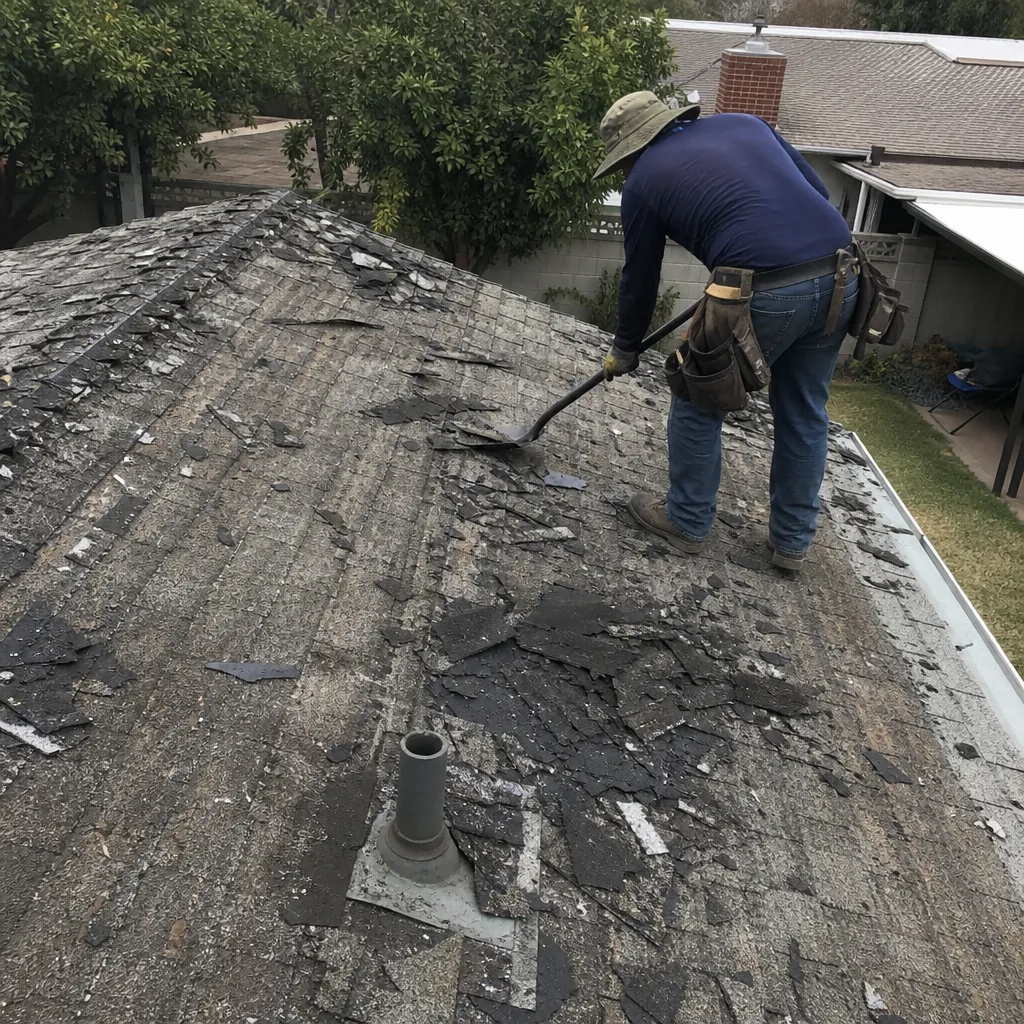 Before
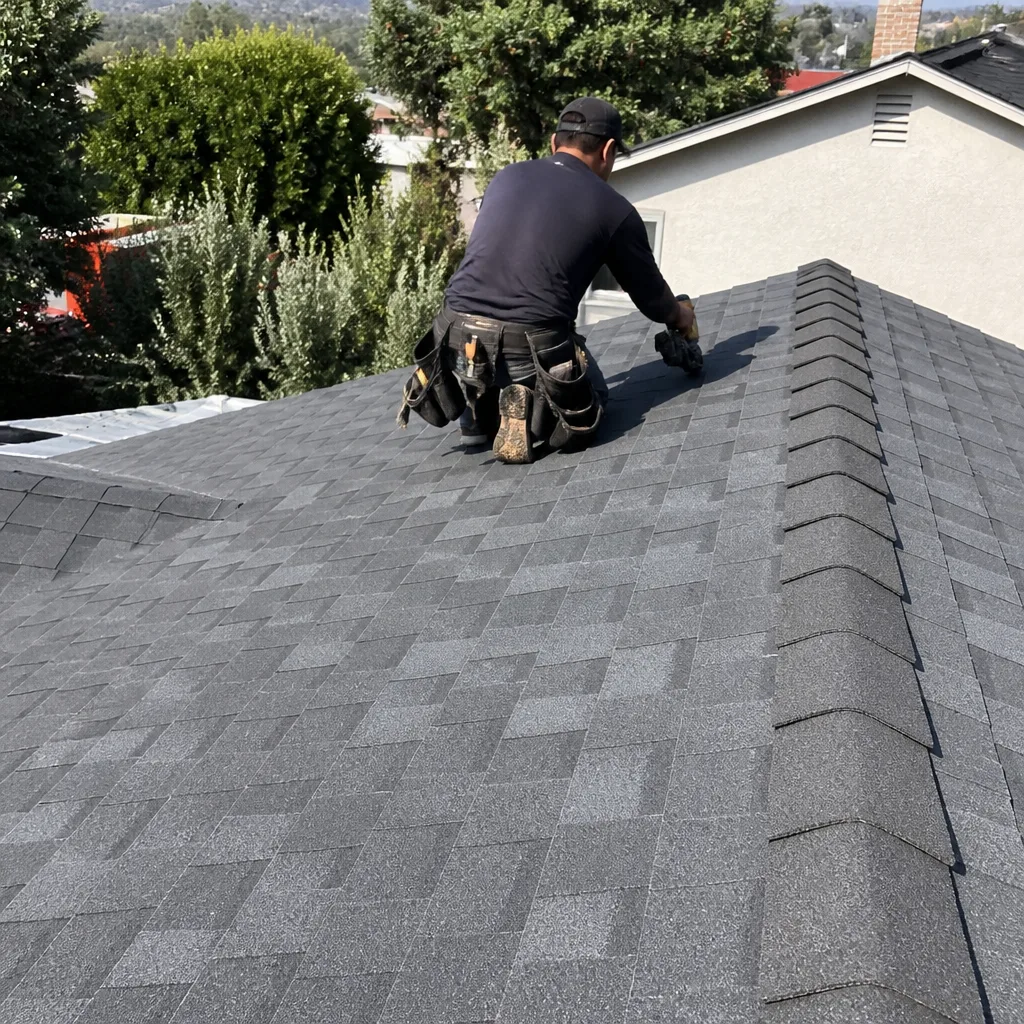 After
After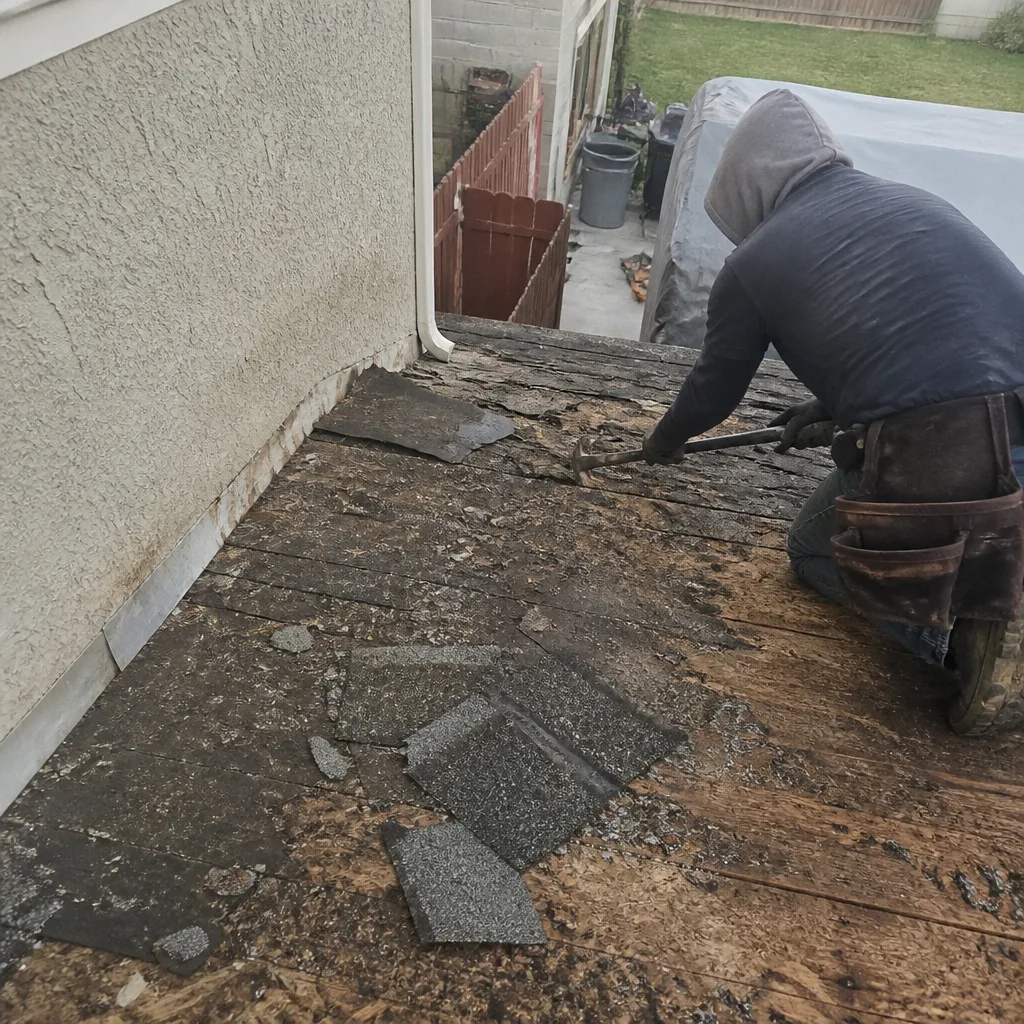 Before
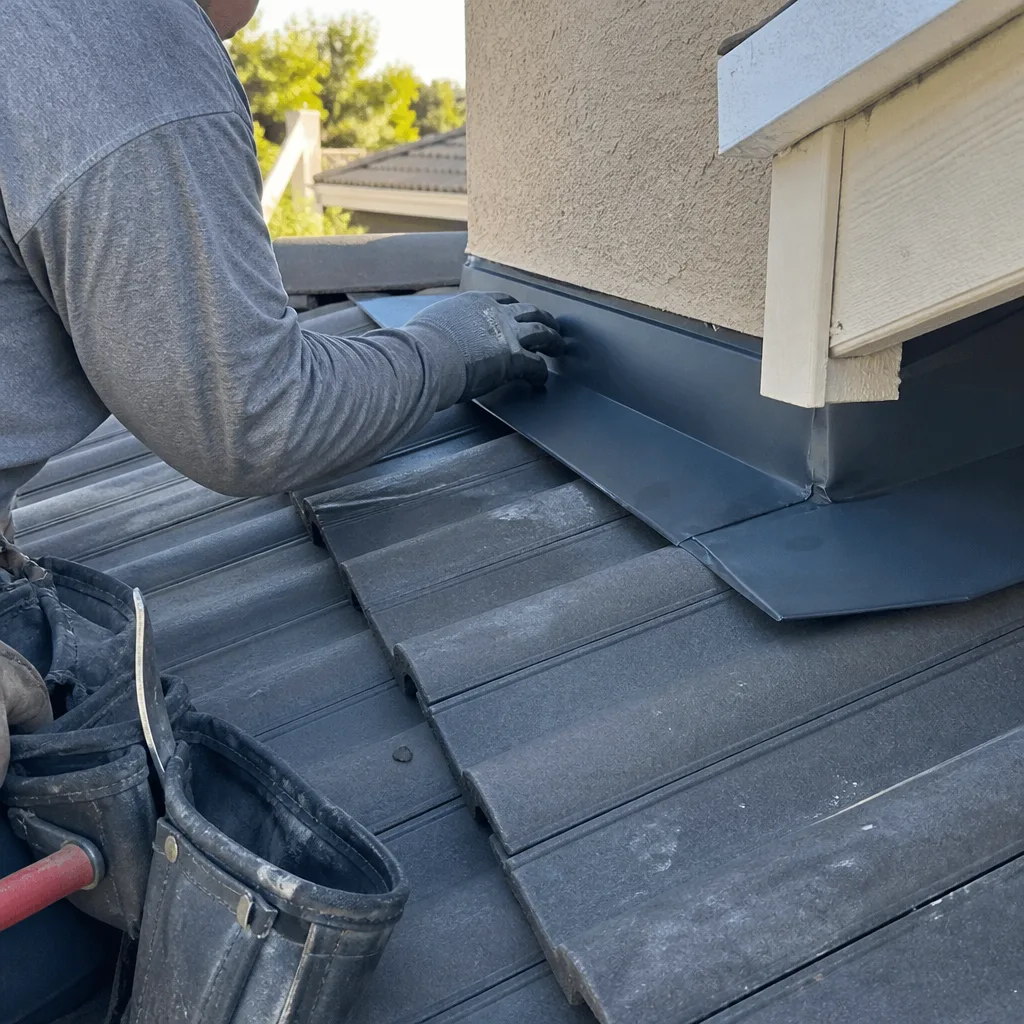 After
After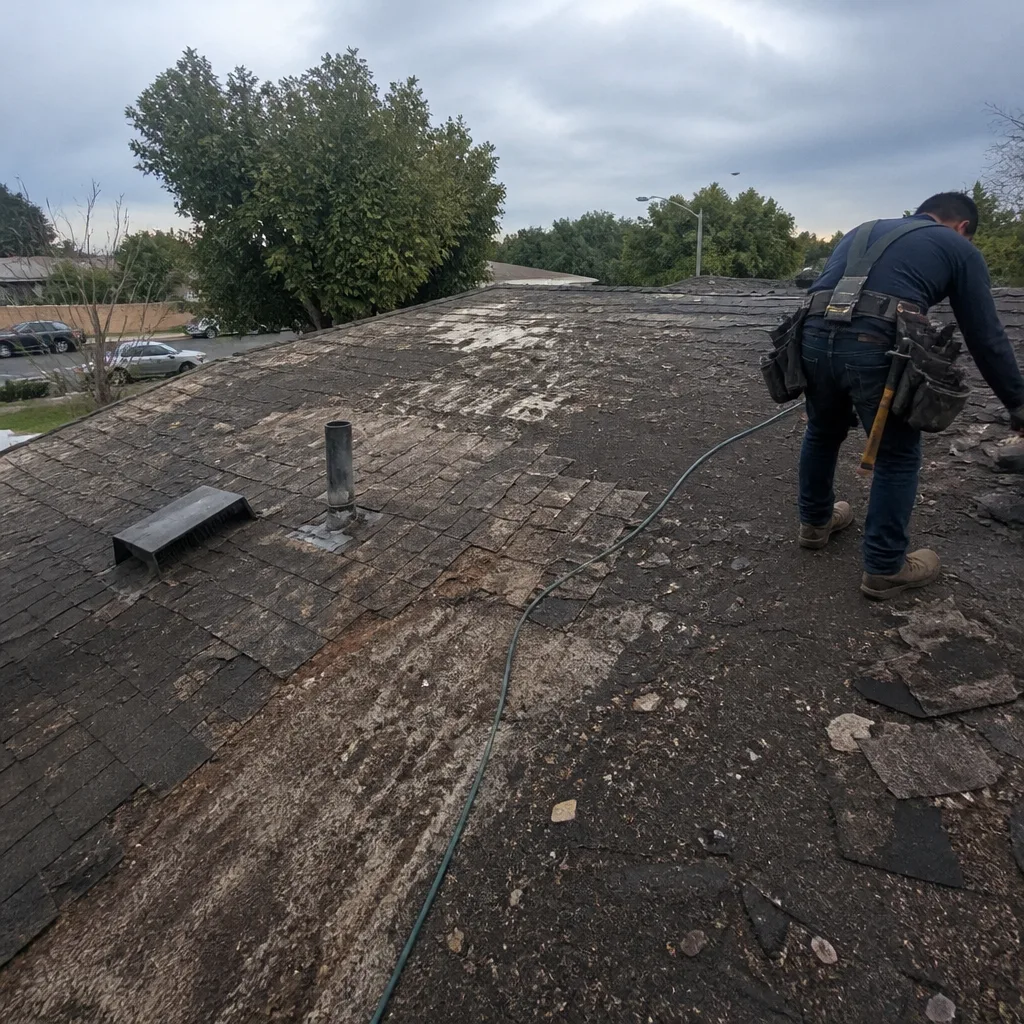 Before
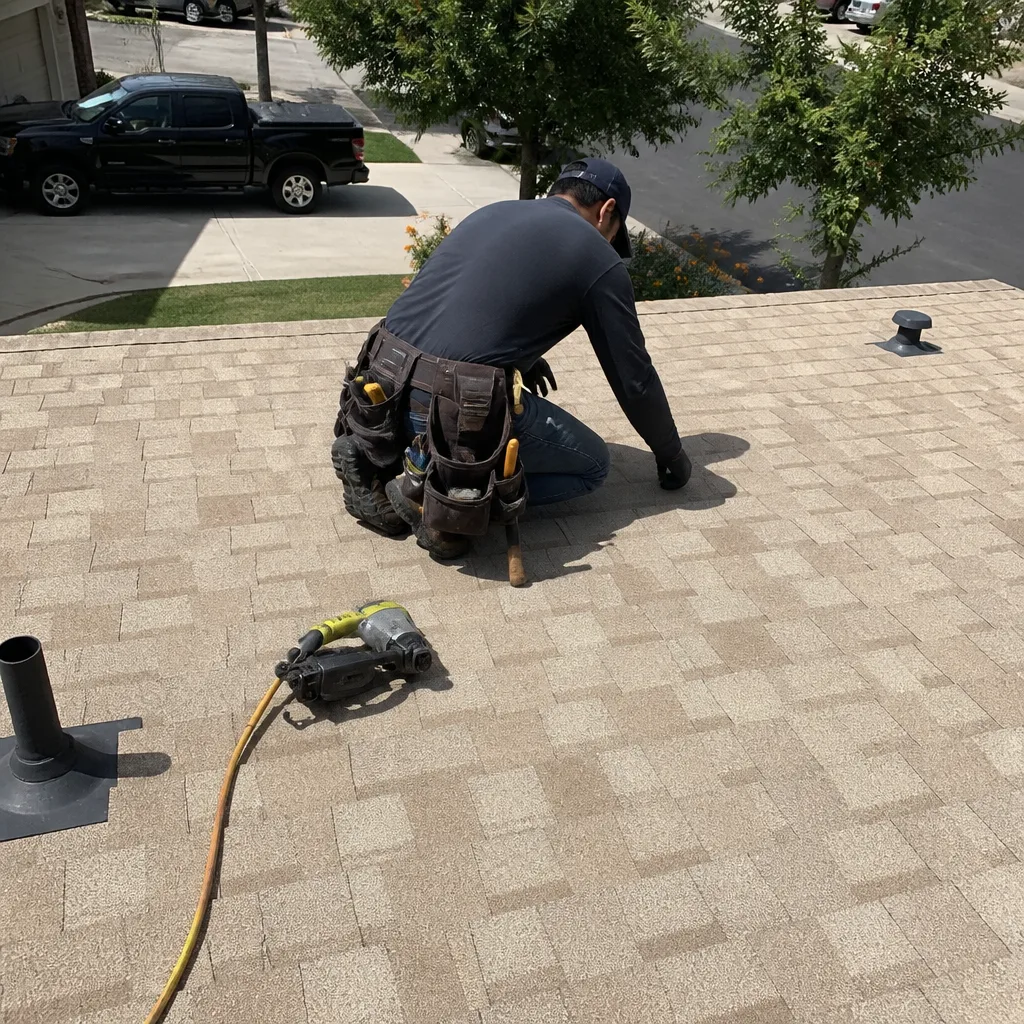 After
After