
Last updated October 17, 2026
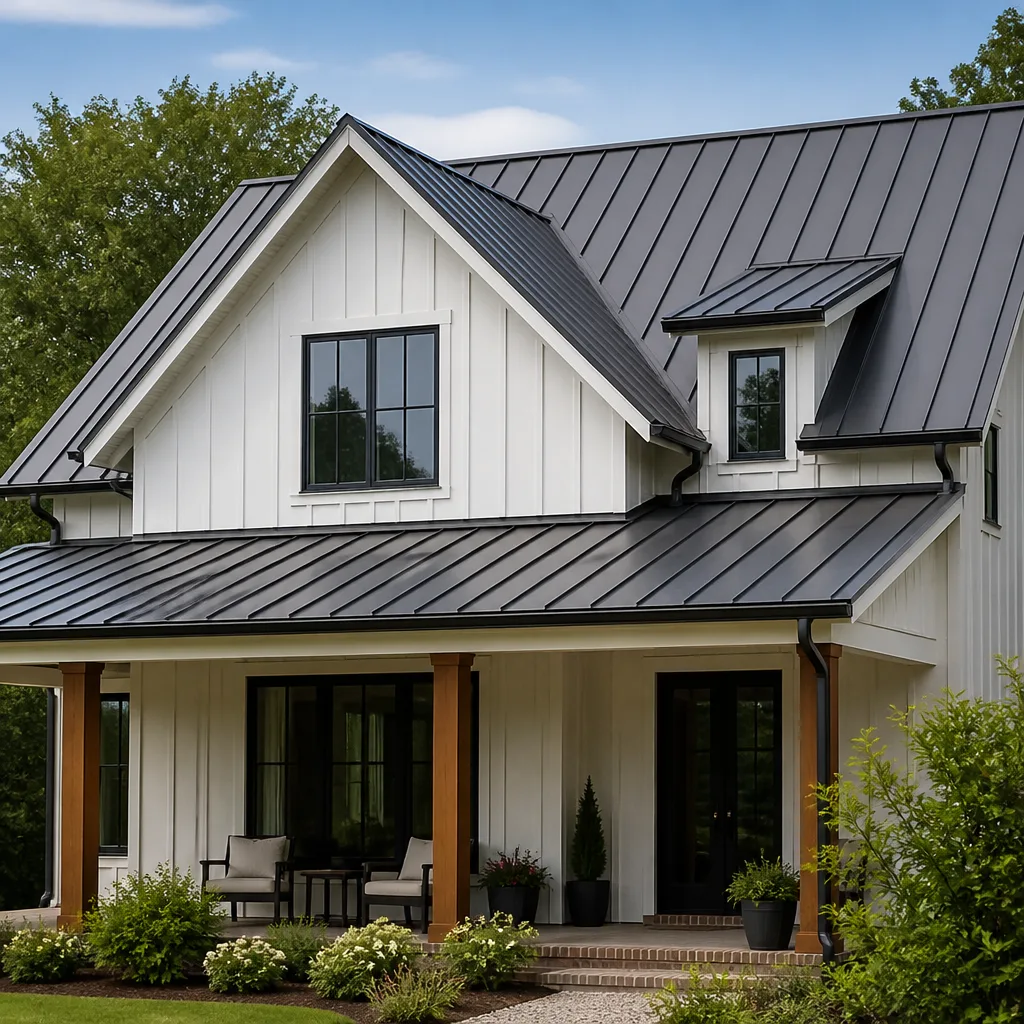 Metal roofing
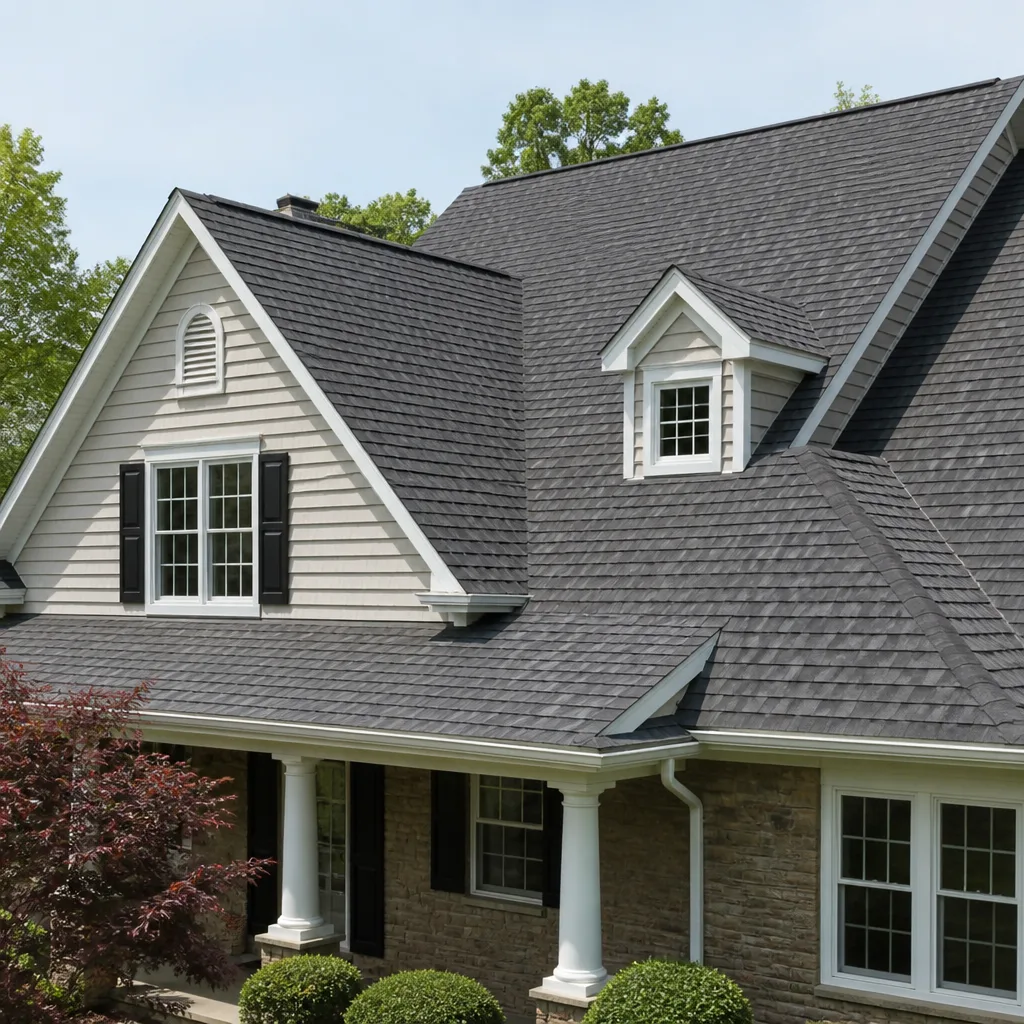 Architectural shingles
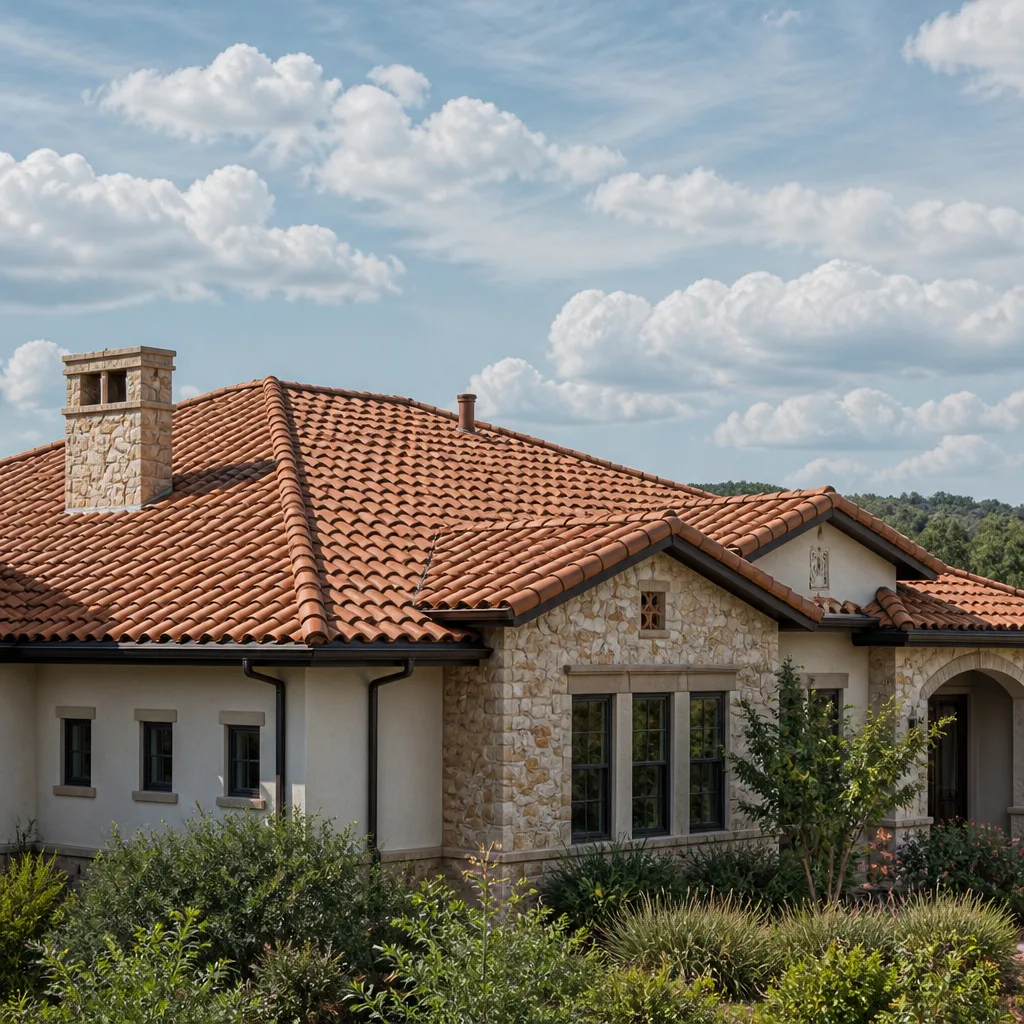 Tile roofing
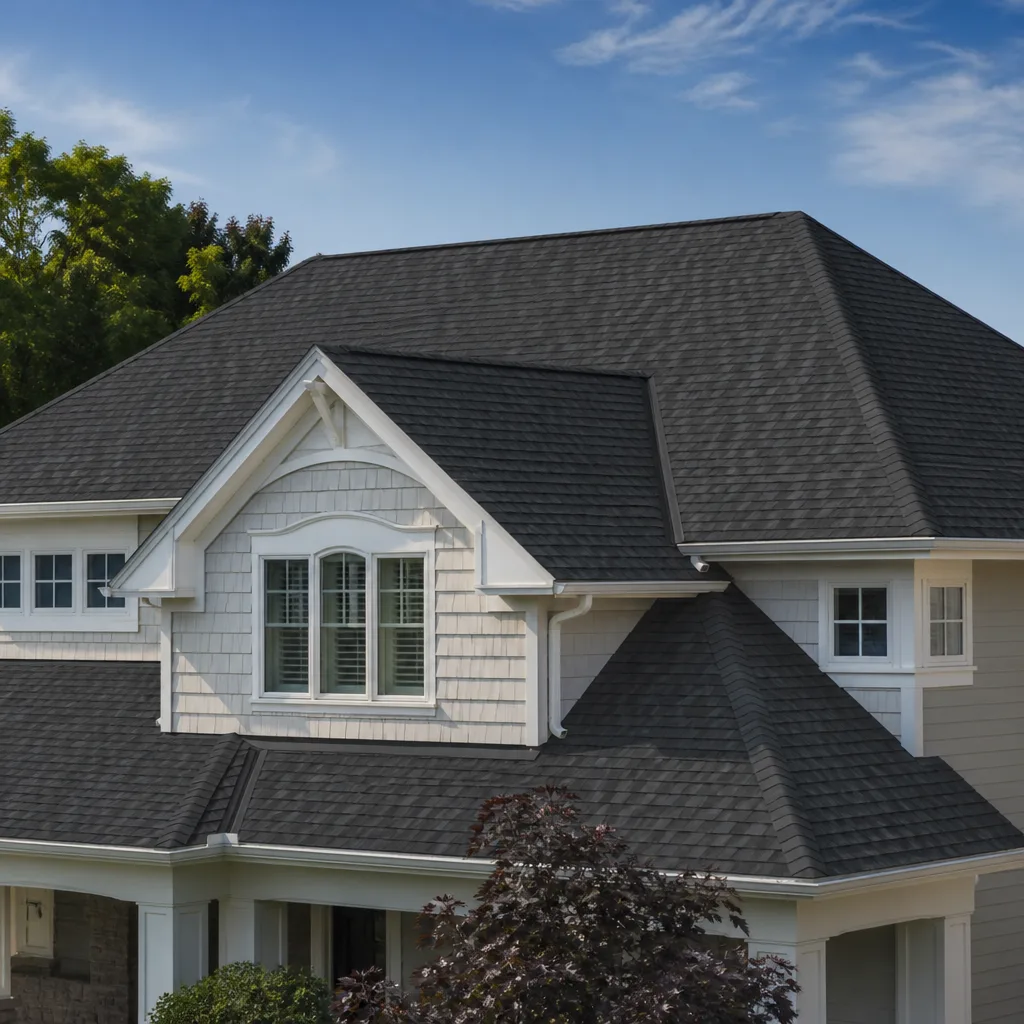 GAF
GAF Owens Corning
 Flat & low-slope
Free roof inspection with deck photos before we talk money - GAF and Owens Corning certified installation
How to Hire a Roofing Contractor in Riverside: A Step-by-Step Guide
The California Contractors State License Board tracks complaint rates across every licensed trade in the state, and roofing sits near the top year after year. Every one of those complaints started with a homeowner who believed they had checked enough boxes. Maybe they verified the license. Maybe they compared three bids. And then the crew never showed, or the price changed at the door, or the repair failed before the next rain. This guide walks through the exact vetting steps that catch those contractors before money changes hands, written from a Riverside roofer’s perspective on what actually separates a professional from a problem. For more guides & resources on protecting your home, explore our blog.
Quick Answer
Hiring a roofing contractor in Riverside comes down to three verifications before you sign anything: confirm the license through the CSLB lookup and check for active workers’ compensation coverage, require a written contract with scope lock, a materials list by brand and weight, and a completion date, and get the workmanship guarantee in writing with the company name on it, not just the salesperson’s word. If all three check out and you’ve compared bids on equal terms, you’ve eliminated the contractors responsible for most roofing complaints in California. Call (562) 315-0297 for a free estimate from Tilehurst Roofing Riverside, where every price is written before work starts.
Styles & brands we work with
Table of Contents
- Step 1: Verify the California License in Under Three Minutes
- Step 2: The Three Contract Clauses That Separate Professionals From Repricers
- Step 3: How to Compare Bids on Equal Terms (And Why the Lowest Bid Costs More)
- Step 4: Riverside Post-Storm Red Flags to Watch For
- Step 5: What a Legitimate Workmanship Guarantee Looks Like in Writing
- Step 6: The Questions to Ask Before You Sign
- Step 7: Materials and Climate – What Riverside Roofs Actually Need
Step 1: Verify the California License in Under Three Minutes
Every roofer working on a job over $500 in Riverside must hold a C-39 roofing license issued by the California Contractors State License Board. The license number should be on every business card, every bid, and every truck. If it isn’t, that’s your first red flag. The lookup itself takes less than three minutes at cslb.ca.gov. Enter the license number and check three things: the license status says active, the classification includes C-39, and the license has not been suspended or revoked in the past. Many homeowners skip the last part, and that’s where the trouble hides. A license can be active today and carry a history of suspensions that never appears on a contractor’s marketing material.
Here’s what the CSLB lookup tells you, and what it doesn’t. It tells you whether the person is legally allowed to contract for roofing work in California right now. It tells you the business name on file, which should match the name on your contract. It shows workers’ compensation coverage status, which protects you from liability if a crew member gets hurt on your Riverside property. What the lookup does not tell you is whether the company answers its phone, whether its crews show up on time, or whether its repairs last. Those require the steps below.
- Go to cslb.ca.gov and click “Check a License.”
- Enter the license number printed on the contractor’s bid or business card.
- Confirm the status is active and the classification is C-39 roofing.
- Check for workers’ compensation coverage – uninsured crews on your roof are a liability you carry, not the contractor.
- Look at the business name on file. If it differs from the name on the bid, ask why before signing.
In Riverside’s older neighborhoods, from the Wood Streets to Canyon Crest, we’ve seen homeowners get bids from out-of-town contractors with no local presence and licenses registered to addresses three counties away. The license may be valid. The follow-through may not be. At Tilehurst Roofing Riverside, part of the Kingswell family of roofing companies founded in 2000, every bid includes our license information upfront and in writing, and a live person answers the phone 24 hours a day, seven days a week if you want to confirm anything before you sign.
Step 2: The Three Contract Clauses That Separate Professionals From Repricers
Most Riverside homeowners don’t get burned by a bad shingle. They get burned by a contract that lets the contractor change the deal after the work starts. The fix is simple, and it happens before any money is exchanged. You need three clauses in the written contract, and if a contractor balks at any of them, that tells you everything. Here are the three clauses that separate a professional roofer from someone who will reprice at the door.
Scope Lock
Scope lock means the contract specifies exactly what work will be done, down to the linear feet of drip edge, the number of pipe boots replaced, and whether decking repair is included or billed per sheet. A contract that says “re-roof with asphalt shingle” and nothing else is an invitation to upcharge. The professional way is a line-item scope: tear-off and disposal, underlayment type, flashing locations, ventilation, ridge cap, cleanup. Every line on your roof should be in the contract. If the verbal promise isn’t in writing, it doesn’t exist for enforcement purposes.
Materials List by Brand and Weight
Shingles are not interchangeable. A GAF Timberline HDZ carries a different weight, warranty registration, and wind rating than a builder-grade CertainTeed or an Owens Corning Duration. A contractor who writes “architectural shingle” without a brand and model has left the door open to install whatever is cheapest on the supply yard’s shelf that week. The contract should name the manufacturer, the product line, and the color. Some manufacturers, like GAF and CertainTeed, offer enhanced warranties when a certified installer does the work. That only helps you if the product name is on paper.
Written Completion Date
A start date without an end date isn’t a commitment. Riverside’s dry season is the busiest time of year for roofing, and contractors overbook. The contract should state the expected start date, the expected completion date, and what happens if weather pushes it. Reasonable contractors in Riverside account for Santa Ana winds and rare rain delays. Unreasonable ones just never commit to a date in writing. The date protects you from the contractor who takes your deposit and then fits your job between others for the next four months.
At Tilehurst Roofing Riverside, the written price is in your hands before any work starts, every single time. That price includes the scope, the materials by brand and weight, and a completion date. We don’t negotiate our written guarantee away after the fact, and we don’t ask you to trust a verbal promise that the contract doesn’t back.
Step 3: How to Compare Bids on Equal Terms (And Why the Lowest Bid Costs More)
The lowest bid in Riverside is statistically the most expensive choice. That sounds counterintuitive, but the math is straightforward. A contractor who underbids has to make up the difference somewhere: cheaper materials, skipped underlayment, reused flashing, or change orders once the roof is torn off and you’re over a barrel. The bill that arrives after the job is where the real cost lives. The fix is to compare bids on equal terms, not total price. Here’s a structured way to do it.
- Compare line items, not totals. Pull out each bid and look at the scope. Does every bid include tear-off and disposal? Decking replacement allowance? Drip edge? Valley metal? If one bid is $4,000 lower and missing three line items, it isn’t lower.
- Check the materials by name. A GAF Timberline HDZ is not the same roof as an unbranded builder shingle. If the bid doesn’t name the shingle by manufacturer and product line, ask for it in writing.
- Look at the warranty line. Does every bid include a written workmanship guarantee, and for how long? A one-year guarantee costs less than a five-year guarantee because the roofer expects to come back more often on the cheap one.
- Ask about overhead. Contractors with real overhead – insurance, workers’ compensation, an office, a phone that gets answered – charge more because they run like a business. That overhead is what protects you when something goes wrong.
- Check permit inclusion. Riverside requires permits for roof replacements. If a bid excludes permit fees, the contract should say so in writing, and you should ask why.
In our experience across Riverside, from La Sierra to Mission Grove, the bids that win on price alone are the ones that find their way back to us as repairs within a year. The Kingswell Way is to say the price before the work, show up in the window we gave, leave the place cleaner than we found it, put the guarantee in writing, and come back if it fails. That’s not the cheapest way to roof a house. It’s the way that doesn’t require a second payment later.
Step 4: Riverside Post-Storm Red Flags to Watch For
Riverside sits in a climate that doesn’t get the coastal rain of Orange County or the snow of the San Bernardino mountains, but the Santa Ana winds and occasional heavy winter storms create a predictable pattern. After every storm cycle, contractors appear from out of state with trucks, ladders, and pressure tactics. They work through neighborhoods like the Wood Streets and Arlington, knock on doors, and sign jobs before the homeowner has time to think. Some are legitimate. Many are not. Here are the specific red flags that show up in Riverside’s post-storm surge.
- Out-of-area license plates. A contractor who just drove in from Arizona or Nevada after a storm has no local reputation to protect and no reason to answer your call again if the repair fails.
- Cash-only demands. Legitimate roofing businesses in California take checks and cards and provide written invoices. A contractor who insists on cash is avoiding a paper trail, and the reason is never good.
- Pressure to sign before the crew leaves your driveway. The phrase “we’re in the neighborhood for one more day” is a sales tactic, not a scheduling fact. A roofer who needs a yes before you’ve verified a license is a roofer who doesn’t want you to verify the license.
- No written estimate. A legitimate estimate is written, itemized, and includes the contractor’s license number. A verbal quote that can’t be put on paper is not a quote.
- Door-to-door storm claims. After any Riverside wind event, crews go door-to-door claiming they spotted damage from the street. A roof can’t be diagnosed from the street. A real roofer gets on the roof, takes photos, and shows you the damage before asking for a signature.
Tilehurst Roofing Riverside offers roof repair in Riverside with something the storm chasers can’t match: a local phone answered by a live person 24 hours a day, a written guarantee delivered before the crew leaves, and a free second visit if the repair fails inside the guarantee period. That’s how the Kingswell Guarantee works. None of it depends on catching us before we drive to the next town.
Step 5: What a Legitimate Workmanship Guarantee Looks Like in Writing
The difference between a verbal promise and a written guarantee is the difference between “we’ll take care of it” and a legal obligation. Riverside homeowners hear both during the sales process, and the two sound identical in the moment. The test is what you hold in your hand when the crew drives away. A legitimate workmanship guarantee has four components, and each one matters.
- The company name, not just the salesperson. A guarantee signed by a salesperson is a guarantee against one employee. A guarantee on company letterhead binds the business. If the contract lists a business name that matches the CSLB lookup, you have enforcement leverage.
- A specific duration. “Guaranteed” without a number is not a guarantee. A legitimate guarantee states the period: one year, two years, five years. The Kingswell standard at Tilehurst Roofing Riverside is the 365-Day Done Right Promise – a full year of documented accountability on every job, every repair, every replacement.
- A definition of coverage. What happens if the roof leaks? What if shingles blow off in the next Santa Ana event? The guarantee should say what triggers a return visit and what the return visit covers. Vague language protects the contractor, not the homeowner.
- A response commitment. A guarantee doesn’t mean much if the contractor’s phone goes to voicemail until Monday. At Tilehurst Roofing Riverside, a live person answers every call 24 hours a day, seven days a week, including evenings and weekends. You don’t wait to file a guarantee claim.
The manufacturer warranty and the workmanship guarantee are not the same thing. A GAF or CertainTeed warranty covers the shingle if the shingle itself fails. It does not cover an installation error – nails too high, underlayment skipped, flashing done wrong. That’s the workmanship side, and only the contractor stands behind it. If the contractor won’t put it in writing, walk. If the contractor puts it in writing but the document is vague about what’s covered, ask for specifics before you sign.
Step 6: The Questions to Ask Before You Sign
Most hiring mistakes in Riverside happen because homeowners ask the wrong questions. They ask about price, then schedule, then color. The better questions probe the contractor’s process, and the answers reveal more in two minutes than a week of reading reviews. Here’s a list to keep by the phone.
- Who is on my roof? Are the technicians employed by your company or are they subcontractors? Are they background-checked? A roofer should know the names of the people who will be on your property. Tilehurst Roofing Riverside sends background-checked, uniformed technicians on every job, so you know exactly who is on your roof.
- What happens if the repair fails? Ask for the specific process: how do I report it, how fast do you respond, and what does the revisit cost me? At Tilehurst Roofing Riverside, the answer is a free second visit inside the 365-Day Done Right Promise period. That’s in writing before the job starts.
- Who pulls the permit? In Riverside, roof replacements require a city permit. The contractor should handle it, pass the inspection, and include that in the contract. A roofer who suggests skipping the permit is asking you to carry legal and resale risk.
- What happens if you find decking damage? The answer should be a per-sheet price in the contract before the tear-off happens. It should not be “we’ll figure it out once we’re up there.”
- Who registers the manufacturer warranty? GAF, CertainTeed, Owens Corning, and other major manufacturers require warranty registration. A professional contractor handles that for you and provides the documentation.
- Can I see your guarantee in writing before I sign? If the answer is anything other than yes, and the document doesn’t materialize, move on.
These questions take five minutes to ask and save thousands of dollars in corrections. Greg Holloway, who leads Tilehurst Roofing Riverside, built the business around the principle that every question deserves a straight answer and every promise deserves paper.
Step 7: Materials and Climate – What Riverside Roofs Actually Need
Riverside’s inland climate is harder on roofs than most homeowners realize. We get more direct sun than the coast, with summer temperatures regularly pushing past 100 degrees, plus Santa Ana wind events that can hit 50 to 70 miles per hour through the foothills. Those conditions punish certain materials and reward others. The right roof for a Riverside home is not the same as the right roof for a beach house in Newport Beach or a mountain cabin in Idyllwild.
Asphalt shingles dominate Riverside for good reason: they handle UV exposure well when rated for it, they’re cost-effective to install and repair, and the major manufacturers have spent decades refining impact and wind ratings. When we install an asphalt roof, the material selection spans seven major manufacturers – GAF, CertainTeed, Owens Corning, IKO, Atlas, Tamko, and Boral – so the product fits the home, not just what happens to be in the truck. A Montecito-era home in the Wood Streets has different architectural needs than a 1990s tract home in Orangecrest, and the shingle choice should reflect that.
For Riverside homeowners considering alternatives, clay and concrete tile are common on Spanish and Mediterranean-style homes across the city. Tile performs well in extreme heat and wind, but it’s heavier, and the framing has to support it. A roofer should assess the structure, not just sell you a tile roof because it looks right. Boral, one of our manufacturer options, produces concrete tile that stands up well to Riverside summers. Composite and metal options also work in this climate when installed correctly, but installation quality matters more with metal than with asphalt because errors show up faster.
Whatever the material, Riverside roofs need proper ventilation. Attic temperatures in August can exceed 150 degrees without adequate intake and exhaust vents, and that heat shortens shingle life from below. It’s a detail that separates a professional roofer from a crew that just nails shingles down. Ask about ventilation in the estimate. If the answer is vague, the roof won’t last as long as it should. A full roof replacement in Riverside is a 20 to 30 year investment, and half of that lifespan is determined by what’s under the shingles, not what shows from the curb.
Common Mistakes to Avoid
- Hiring without verifying the license. The CSLB lookup takes three minutes and catches contractors who have no legal right to work on your roof. Skipping it is free risk you don’t need to take.
- Signing a contract without a materials list. “Architectural shingle” is not a specification. Without a brand and product name, you’ve authorized whatever is cheapest at the supply house that week.
- Comparing only the total price. A bid missing underlayment, drip edge, or permit fees is not cheaper; it just hides the cost in change orders and code enforcement.
- Accepting a verbal guarantee. If the workmanship guarantee isn’t written into the contract with a duration and coverage definition, it isn’t a guarantee. It’s a sentence someone said.
- Paying in cash to a door-to-door contractor. Cash leaves no paper trail, and post-storm solicitors know it. Legitimate Riverside roofers take checks and cards and provide written invoices.
- Letting pressure dictate the timeline. A roofer who needs a signature before you’ve verified a license or read a contract is a roofer who benefits from you not doing those things.
- Forgetting the local check. A contractor with a valid license but no local presence can leave you chasing a guarantee across state lines. Choose a local business with a local phone, like Tilehurst Roofing Riverside, where a live person answers 24/7.
See the difference
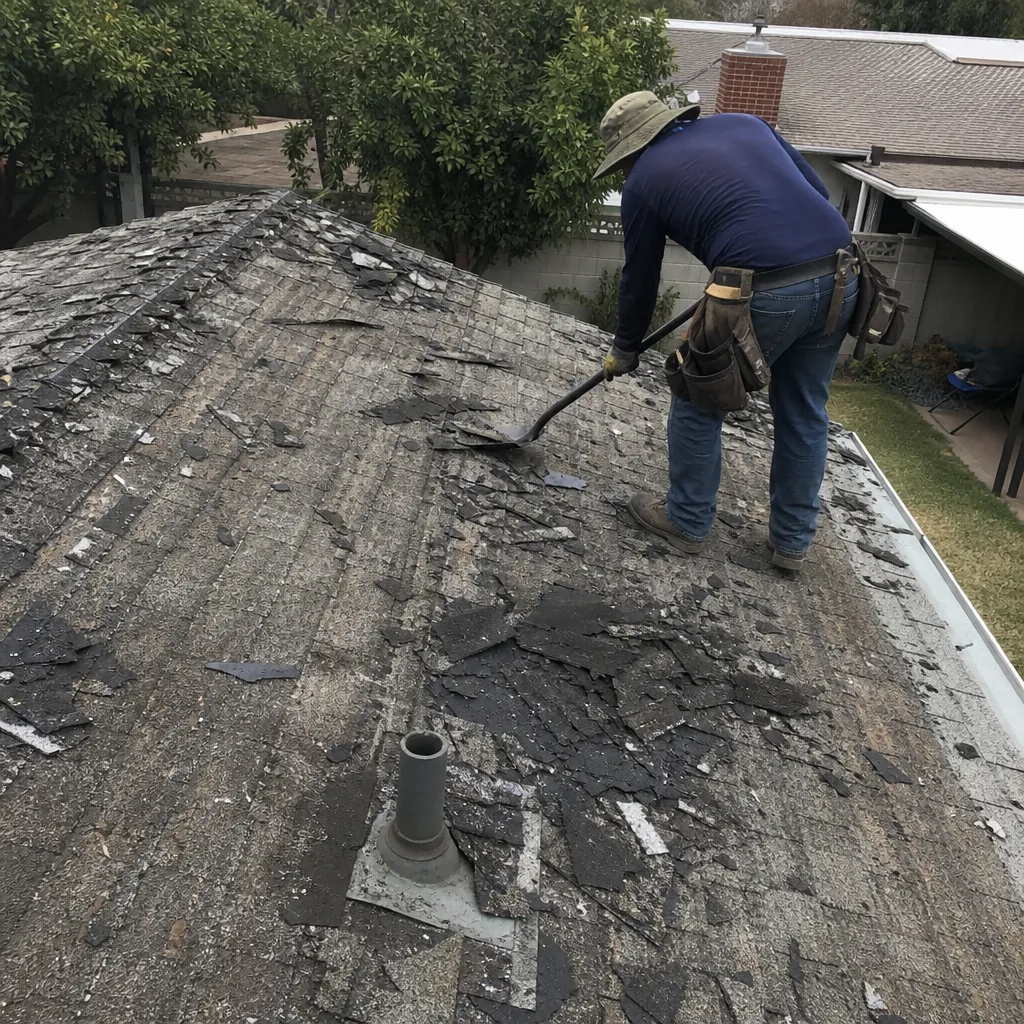 Before
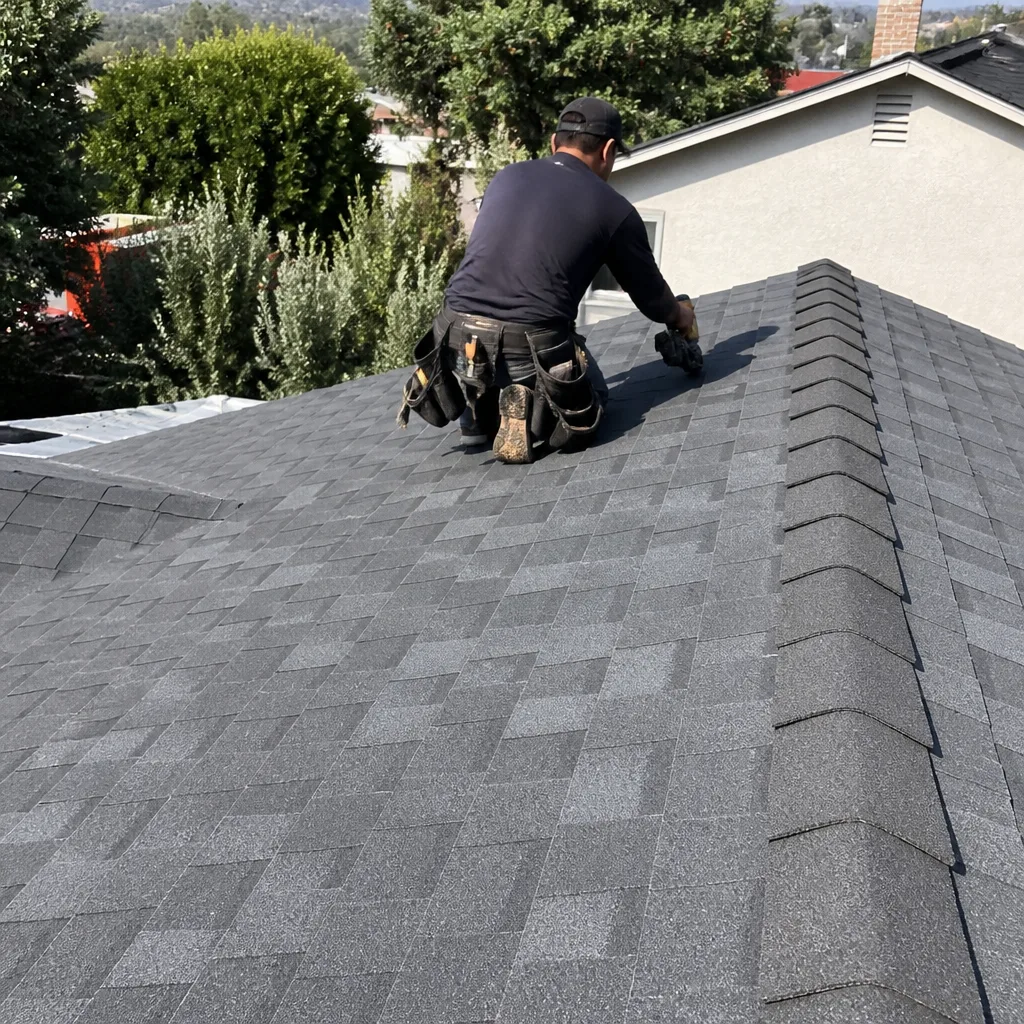 After
After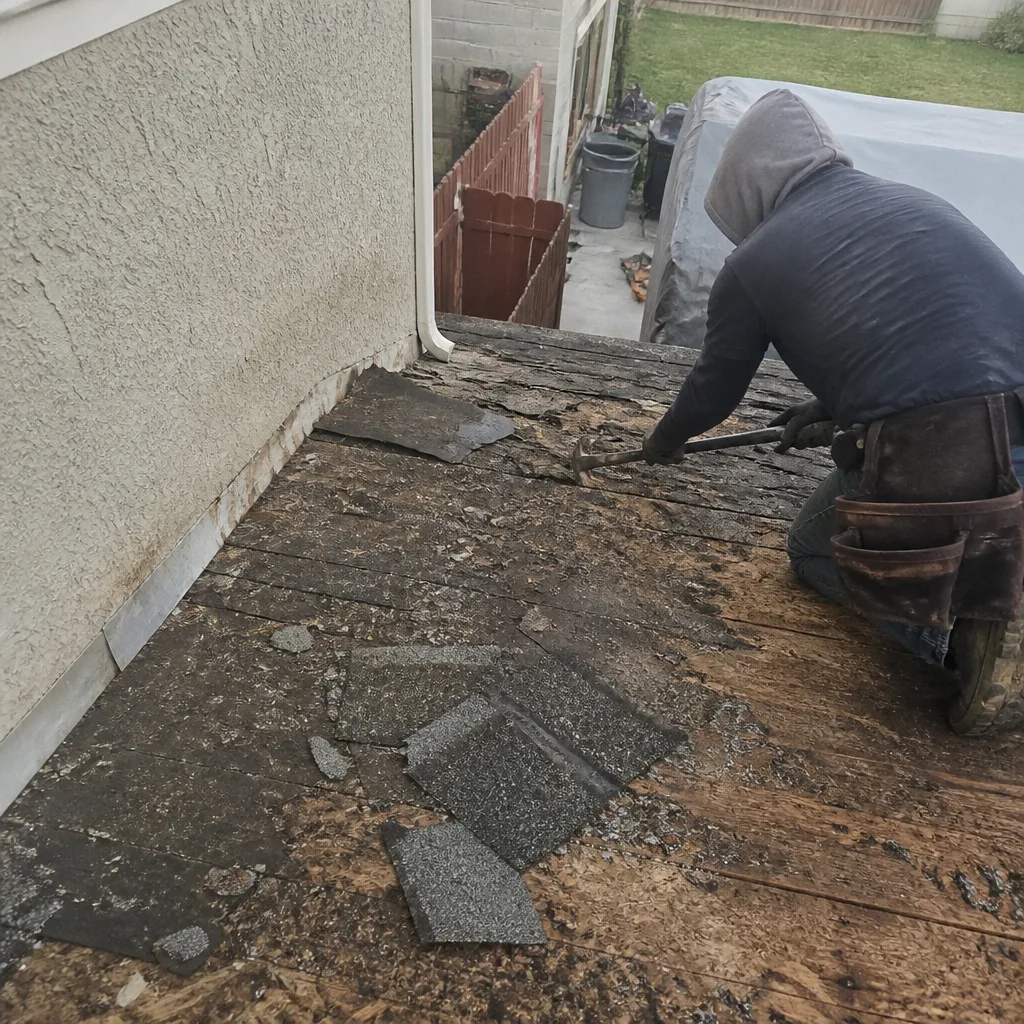 Before
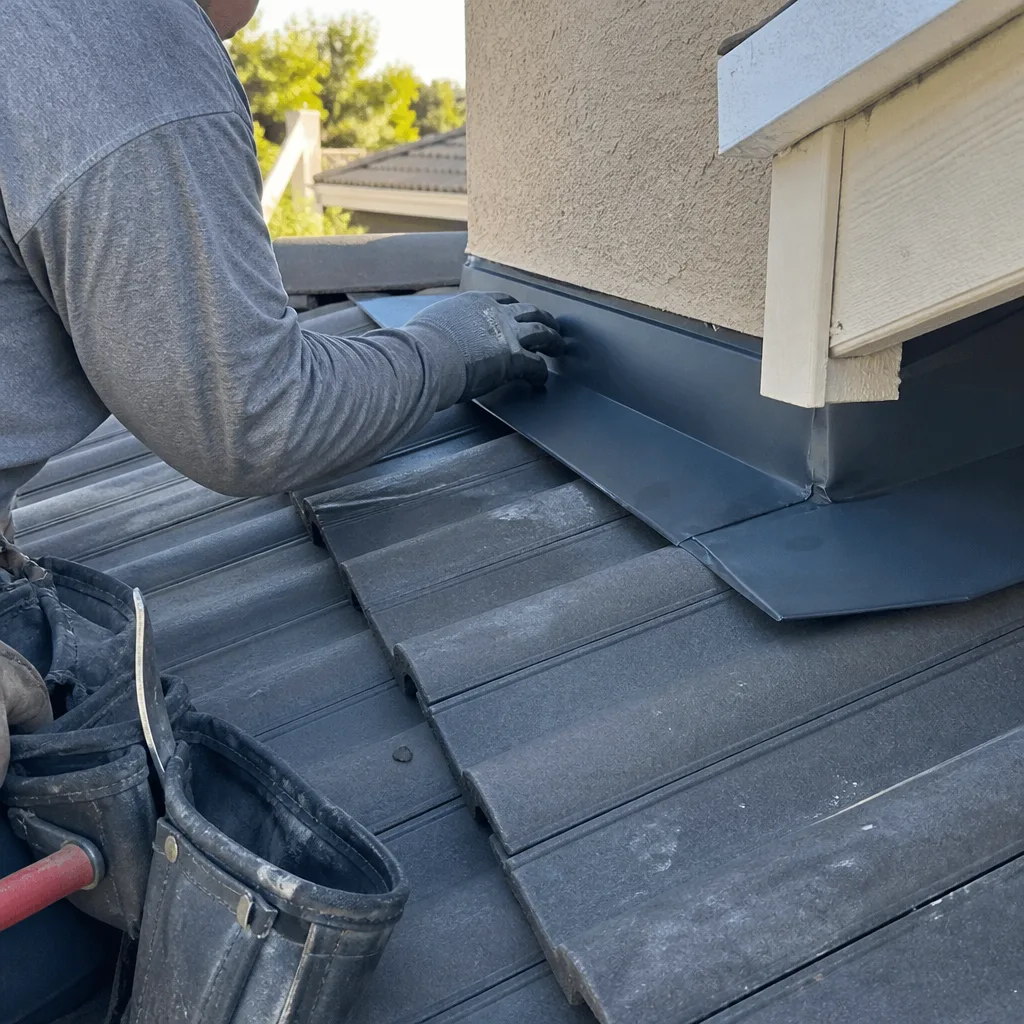 After
After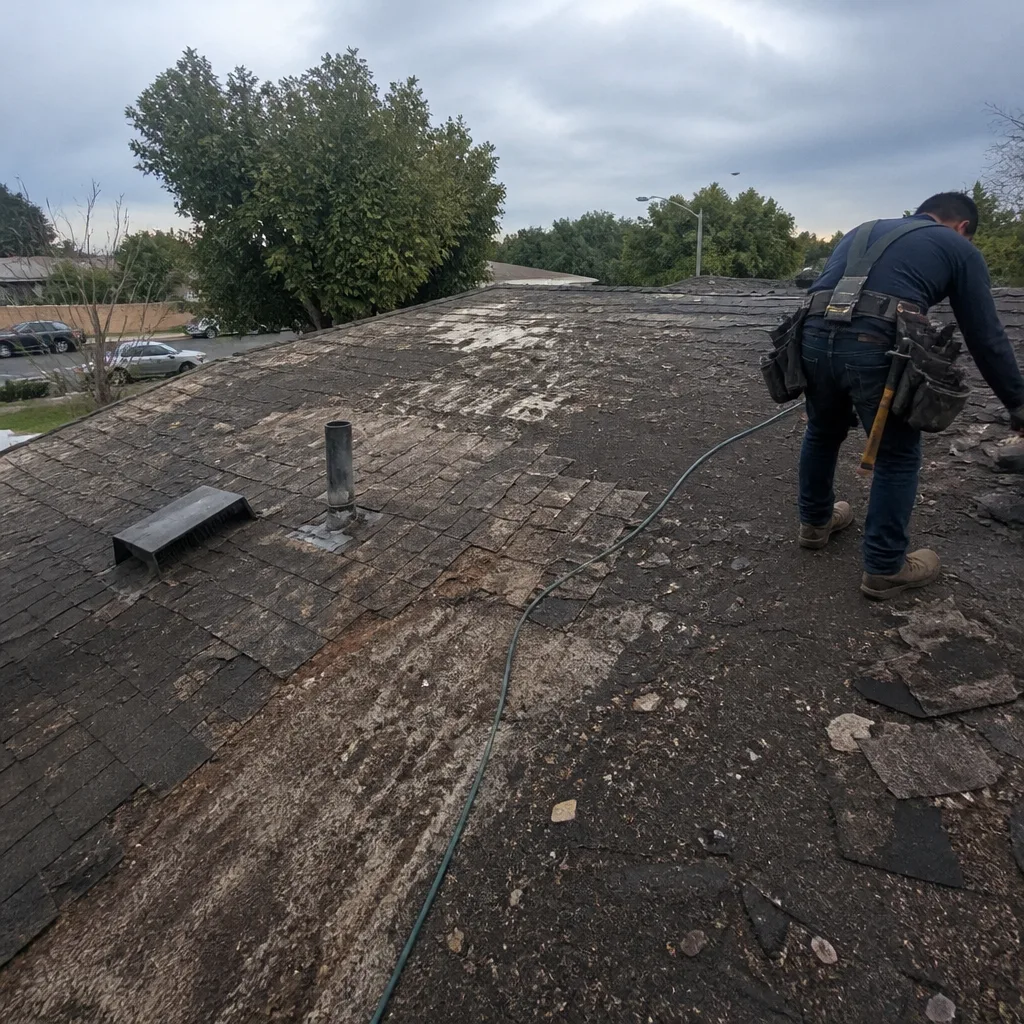 Before
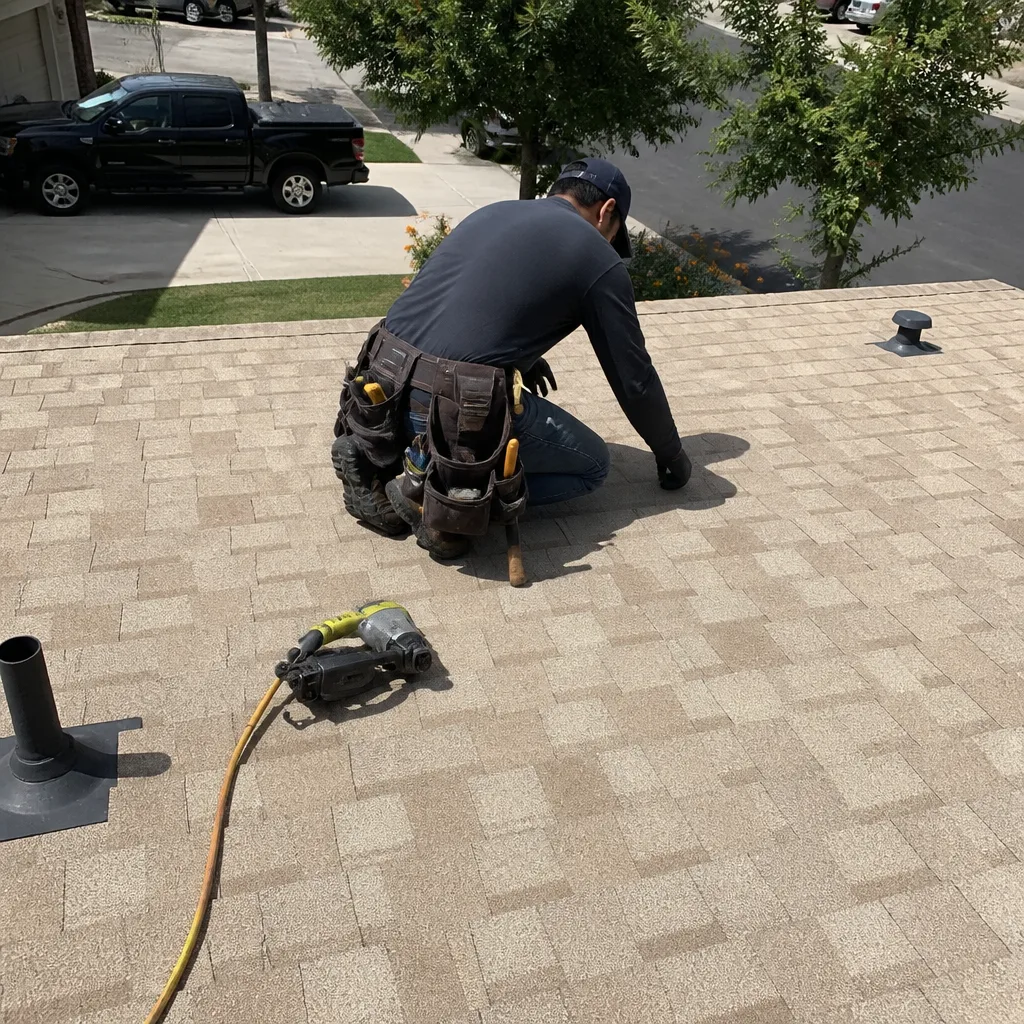 After
AfterWhen to Call a Professional
Some roof issues are visible from the ground and demand immediate professional attention. If you see missing shingles after a Santa Ana event, granules collecting in your gutters, daylight showing through the attic boards, or a water stain spreading across a ceiling, don’t wait. A small leak in a Riverside dry season becomes a structural problem in the first winter storm. If your roof is past 20 years old and you’re noticing curling or cracking shingles, start the replacement conversation before you’re forced into an emergency decision. Tilehurst Roofing Riverside offers free estimates for Riverside homeowners – call (562) 315-0297 and we’ll send someone to look, take photos, and give you a written price before any work starts.
Frequently Asked Questions
Go to cslb.ca.gov, click “Check a License,” and enter the license number from the contractor’s bid. Confirm the status is active, the classification is C-39 roofing, and workers’ compensation coverage is in place. The whole process takes under three minutes. Call (562) 315-0297 if you want to verify Tilehurst Roofing Riverside’s license and insurance before scheduling a free estimate.
Most asphalt shingle roof replacements in Riverside run between $12,000 and $22,000 depending on the roof’s size, pitch, decking condition, and material selection from manufacturers like GAF, CertainTeed, and Owens Corning. See our Roofing Cost Breakdown: The Riverside Homeowner’s Reference for 2026 for a detailed analysis. Tile and metal systems run higher. The only way to get a real number for your house is a written estimate, which Tilehurst Roofing Riverside provides free at (562) 315-0297.
A standard asphalt shingle replacement on a single-story Riverside home typically takes two to four working days, weather permitting. Larger homes, steep pitches, tile tear-offs, and decking repairs extend that timeline. The contract should state a written completion date, which is standard practice at Tilehurst Roofing Riverside under the Kingswell Way. For year-round protection, see our Roofing Company Maintenance Checklist for Riverside Homeowners.
A legitimate roofing contract includes a line-item scope of work, a materials list with manufacturer and product names, a written completion date, permit responsibilities, a payment schedule, and a workmanship guarantee with duration and coverage defined. If any of those elements are missing, ask for them in writing before signing. Tilehurst Roofing Riverside puts every guarantee in writing before the crew leaves.
The 365-Day Done Right Promise is Tilehurst Roofing Riverside’s written workmanship guarantee covering every job for a full year after completion. If anything isn’t done right, we make it right at no charge inside that period. It includes a free second visit if a repair fails. Call (562) 315-0297 to ask about what the guarantee covers on your specific roof.
Roof replacements in Riverside require a city permit and inspection, which a professional contractor handles as part of the job. Learn more in our guide to Roofing Permits, Codes & Inspections in CA: What You Need to Know. Minor repairs like replacing a few shingles or resealing flashing typically do not require a permit. A contractor who suggests skipping a permit on a replacement is asking you to carry legal and resale risk, and that’s a signal to look elsewhere.
The Bottom Line
Hiring a roofing contractor in Riverside is a process of verification, not trust. Verify the license through CSLB. Require the three contract clauses – scope lock, materials by brand and weight, and a written completion date. Compare bids on equal terms, not total price. Recognize the post-storm red flags. And demand a workmanship guarantee in writing, on company letterhead, with a duration and coverage definition. Do those things and you’ve eliminated the contractors responsible for most roofing complaints in California. If you’d like a written price from a Riverside roofing company that follows the Kingswell Way, call Tilehurst Roofing Riverside at (562) 315-0297 for a free estimate, and check our Riverside roofing services.
Written by Greg Holloway, Owner at Tilehurst Roofing Riverside, serving Riverside since 2000.