
Last updated October 17, 2026
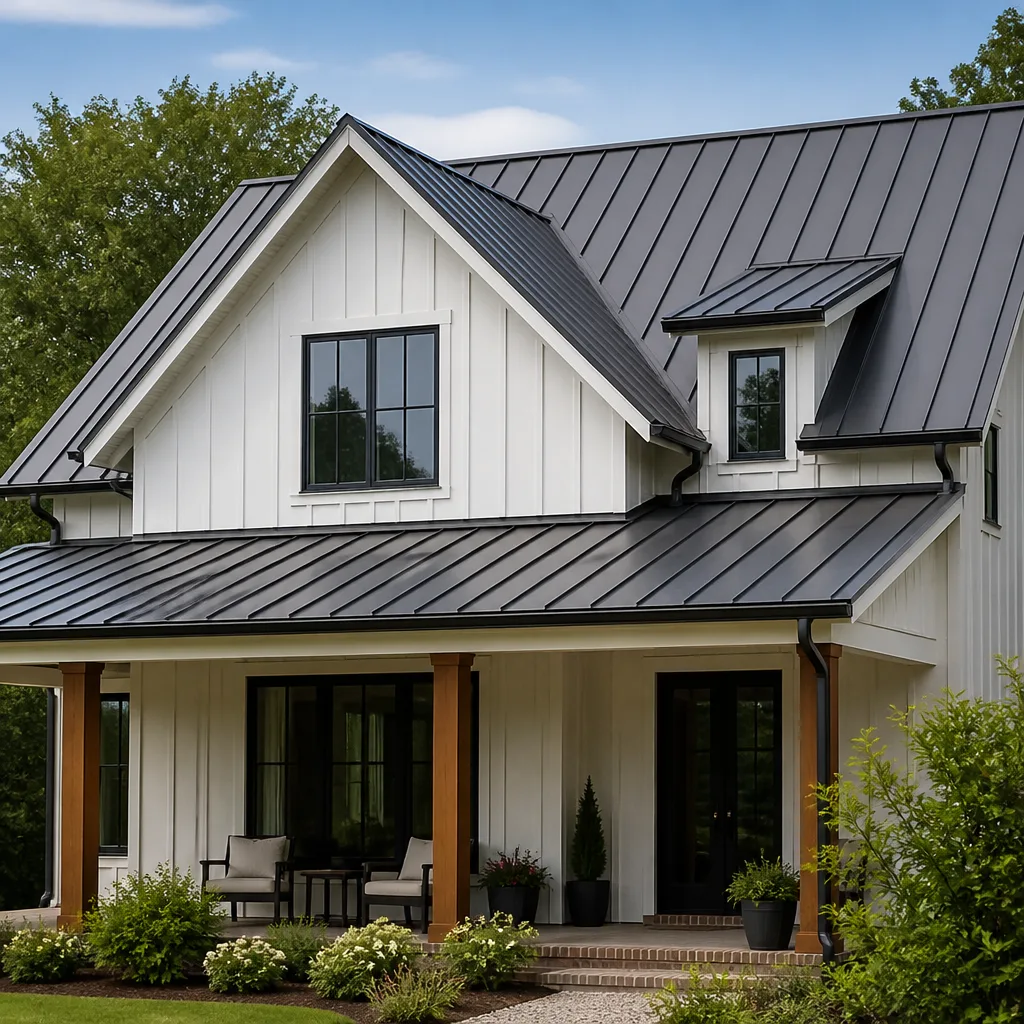 Metal roofing
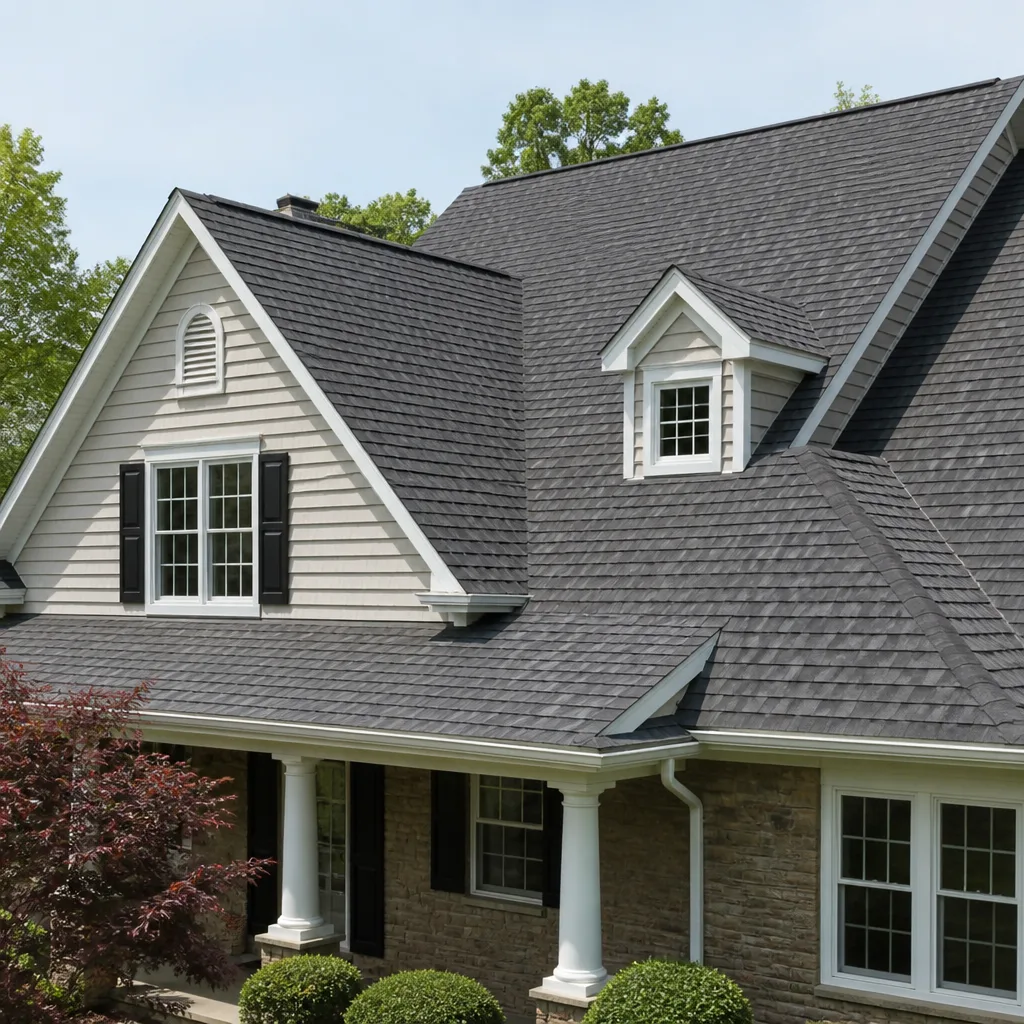 Architectural shingles
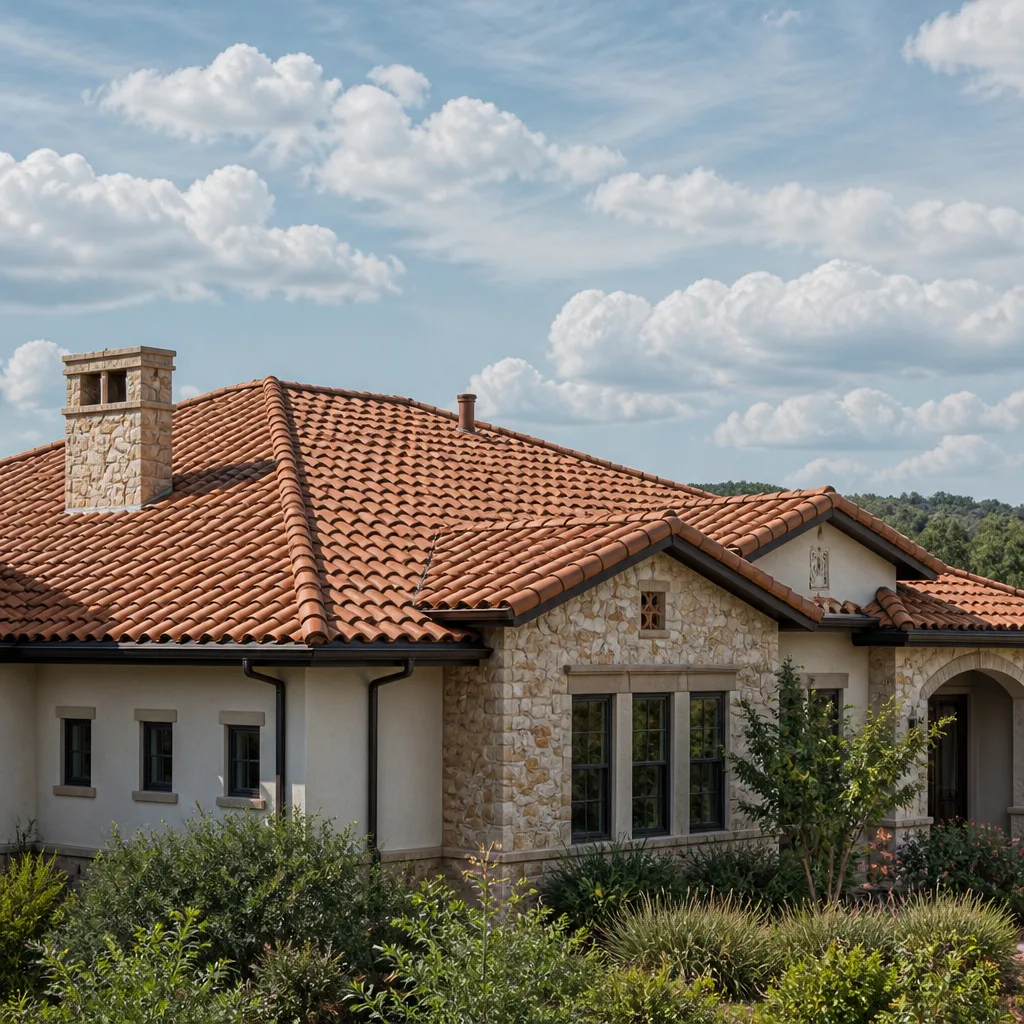 Tile roofing
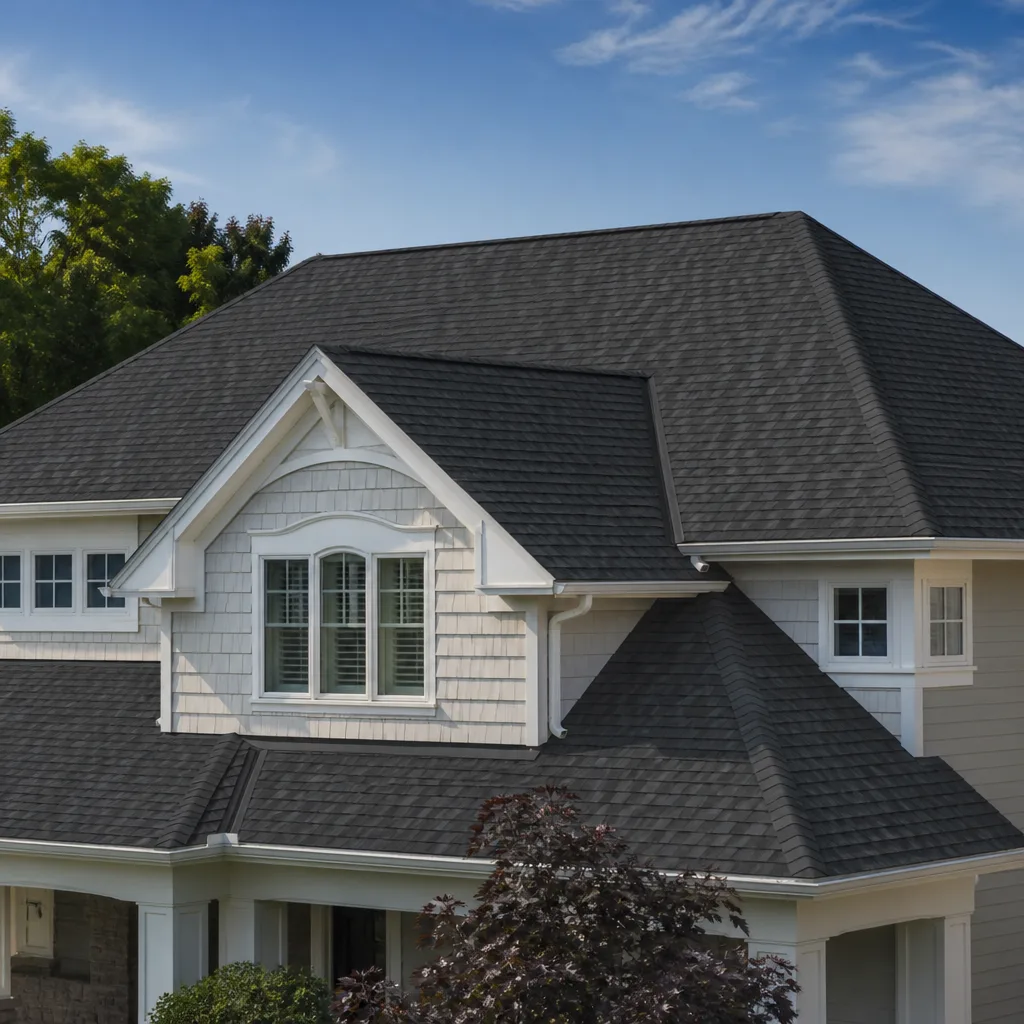 GAF
GAF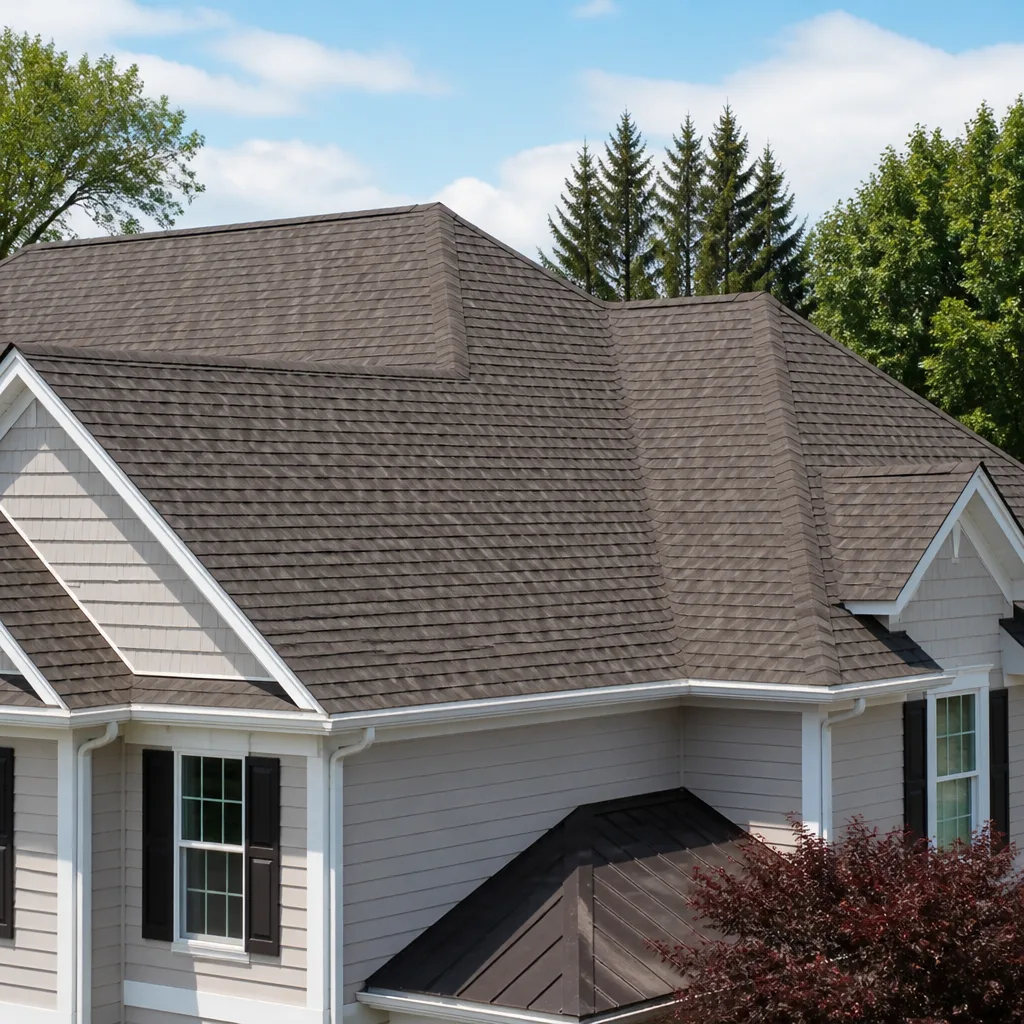 Owens Corning
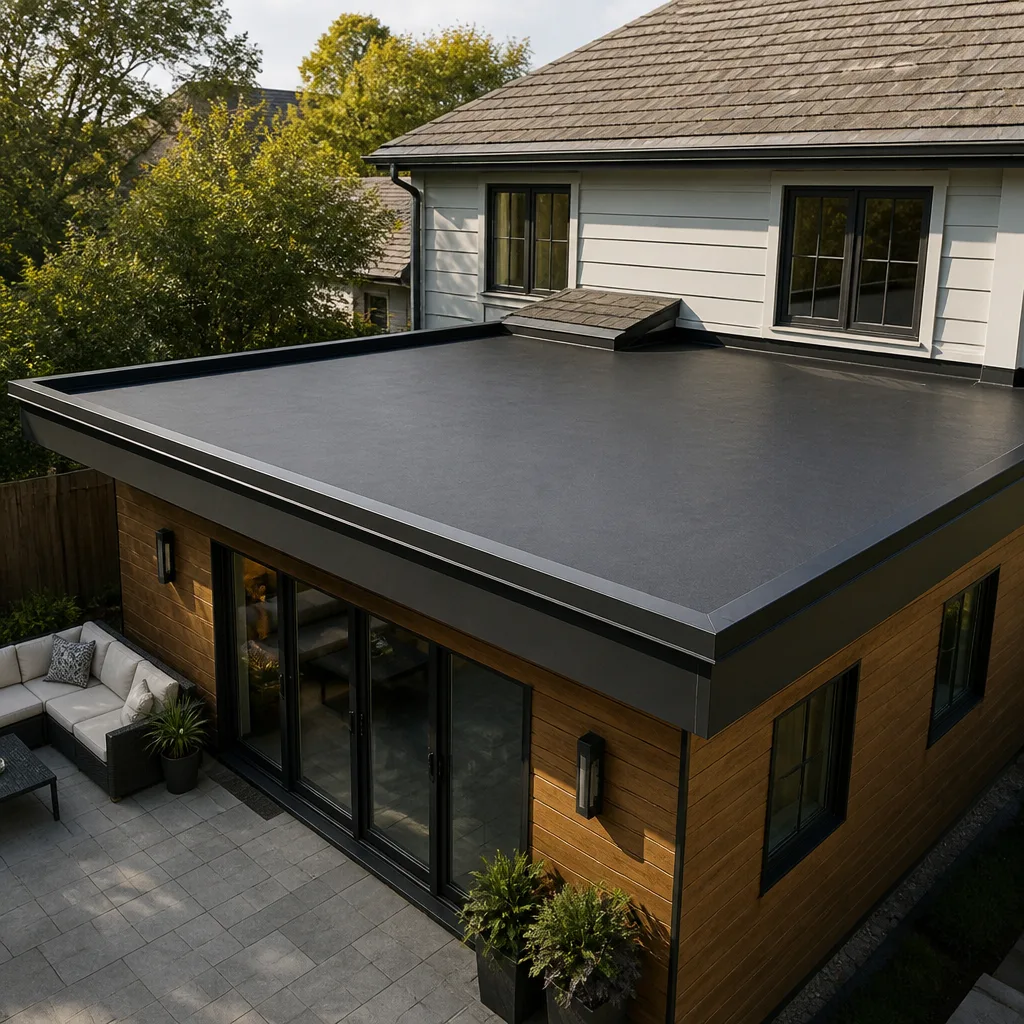 Flat & low-slope
Free roof inspection with deck photos before we talk money - GAF and Owens Corning certified installation
The Complete Guide to Roofing in Riverside
Riverside logs more than 280 sunny days a year, yet the number-one cause of premature roof failure here isn’t sun damage. It’s thermal shock, the sudden stress created when cold rain hits a roof surface that’s been sitting at 160°F all afternoon. Materials expand. Seals crack. And a roof that looked fine in October is leaking by February’s first real storm. This guide explains how Riverside’s specific climate actually works on your roof, what it means for material choices, what repairs should cost, and how to read a bid written for this market rather than national averages. For more guides & resources, visit our blog.
Quick Answer
The complete guide to roofing in Riverside covers material selection, costs, permits, and maintenance through the lens of the city’s specific climate triangle: intense UV exposure, Santa Ana wind events, and flash rain on sun-baked surfaces. Most asphalt-shingle repairs in Riverside run $350 – $900, full replacements typically land between $12,000 and $28,000 depending on material and square footage, and concrete tile remains the dominant choice because it handles thermal shock better than almost anything else. Roofing Company in Riverside expertise matters here because national guides consistently miss how inland valley heat behaves differently from coastal LA weather.
Styles & brands we work with
Table of Contents
- Why Riverside’s Climate Is Different From Coastal LA
- Material Choices: Concrete Tile, Asphalt, Metal, and Cool Roofs
- The Hidden Cost of Deferred Maintenance in a Dry Climate
- How to Read a Riverside Roofing Bid
- Which Roofing Jobs Need a Riverside Permit
- Signs Your Roof Needs Attention Before the Next Rain
- A Month-by-Month Maintenance Calendar for Riverside Homes
- Common Mistakes to Avoid
- When to Call a Professional
- Frequently Asked Questions
Why Riverside’s Climate Is Different From Coastal LA
Riverside sits roughly 850 feet above sea level in the inland valley, which means it’s consistently 10 to 20 degrees hotter than Santa Monica or Long Beach on any given summer afternoon. That elevation and distance from the coast removes the marine layer’s moderating effect. Your roof doesn’t just get hot here. It gets heat-soaked, hour after hour, day after day, from May through October.
Three forces define roofing in Riverside:
- Intense UV exposure: Riverside’s inland position means less cloud cover and fewer foggy mornings than coastal cities. UV radiation degrades asphalt shingle granules, dries out sealants, and fades any colored roofing product faster than manufacturers’ coastal test data would suggest.
- Santa Ana wind events: Between September and January, hot, dry winds funnel through the Cajon Pass and Santa Ana River corridor. These winds regularly hit 40 – 60 mph in exposed foothill neighborhoods like Alessandro Heights and Mission Grove. Wind-driven debris scours roof surfaces and tests every flashing point.
- Flash rain on superheated surfaces: When the first real rain arrives, usually November through February, it often falls as a sudden downpour on a roof that was at 140 – 160°F hours earlier. The thermal contraction is violent. Older sealants fail at this exact moment.
What this means practically: a roof in Riverside needs materials and installation details that tolerate wide temperature swings over short periods. Products rated for mild coastal climates often fail here years earlier than their warranty suggests. We’ve seen cheap asphalt shingles in Riverside neighborhoods like La Sierra and Arlington lose granules within five years when the same product would last twelve in Irvine.
Material Choices: Concrete Tile, Asphalt, Metal, and Cool Roofs
Concrete tile dominates Riverside neighborhoods for a reason. It’s heavy, durable, and handles thermal expansion better than nearly any other residential product. Walk through Canyon Crest, Orangecrest, or Wood Streets and you’ll see tile roofs that are 30, 40, even 50 years old and still performing. The honest trade-off: concrete tile is expensive upfront, requires structural support because of its weight, and individual tiles can crack under impact from wind-blown branches or foot traffic.
Here’s how the main options compare for Riverside specifically:
Concrete Tile
- Cost: $18,000 – $35,000 for a typical 2,000 – 2,500 sq ft home
- Lifespan: 40 – 60+ years with proper underlayment replacement
- Riverside advantage: Exceptional thermal mass means the roof absorbs heat slowly and releases it slowly, reducing thermal shock stress
- Trade-off: Weight requires proper decking and framing; repairs involve matching discontinued tile profiles
Asphalt Shingle
- Cost: $12,000 – $20,000 for architectural shingles on the same home
- Lifespan: 15 – 25 years in Riverside’s UV environment, not the 30 years coastal marketing claims
- Riverside advantage: Lower upfront cost and easy repair
- Trade-off: UV degradation is real here; cheap three-tab shingles are a poor investment inland
Metal Roofing
- Cost: $22,000 – $40,000 depending on profile and gauge
- Lifespan: 40 – 70 years
- Riverside advantage: Reflects heat rather than absorbing it, which genuinely reduces attic temperatures by 20 – 30°F in summer
- Trade-off: Higher upfront cost; Santa Ana winds can create noise if underlayment and fastening details are wrong
Cool Roof TPO
- Cost: $10,000 – $18,000 for low-slope sections common on Ranch-style homes in neighborhoods like Victoria and Magnolia Center
- Lifespan: 20 – 30 years with proper installation
- Riverside advantage: White reflective surface rejects solar gain; genuinely lowers cooling costs during Riverside’s 100°F summer stretches
- Trade-off: Only appropriate for low-slope roofs; looks industrial on pitched residential sections
At Tilehurst Roofing Riverside, we work with materials from GAF, CertainTeed, Owens Corning, IKO, Atlas, Tamko, and Boral. That range matters because the right choice depends on your home’s roof pitch, exposure, and what’s already up there. A 1960s ranch in the Arlington district with a 3:12 pitch needs different materials than a tile-roof two-story in Alessandro Heights.
The Hidden Cost of Deferred Maintenance in a Dry Climate
Here’s the counterintuitive part about roofing in Riverside: the dry months create false confidence. Your roof looks fine in August. It’s not leaking. So you skip the inspection. Then the first real rain hits, and a hairline crack that’s been sitting there since March suddenly opens up and channels water into your attic.
Why does this happen here more than in other climates? Because Riverside’s heat cycling works on sealants and flashing constantly, even when it’s not raining. The expansion and contraction continues. Materials degrade. By the time water appears inside your home, the damage mechanism has been active for months.
Common deferred maintenance costs we see in Riverside:
- Cracked tile replacement: $180 – $400 per tile area when caught early; $1,500 – $4,000 if water has saturated the underlayment beneath
- Dried-out pipe boot seals: $150 – $300 to replace when caught during dry season; $800 – $2,500 if the leak damages ceiling drywall and insulation
- Lifted flashing at chimneys and valleys: $400 – $900 to reseal and reset; $3,000 – $8,000 if structural sheathing rots and requires replacement
- Clogged or separated gutters and downspouts: $150 – $400 to clean and reseal; $2,000 – $5,000 if water has been dumping against the foundation through one winter
The pattern is consistent. A $250 repair in October prevents a $2,500 repair in February. The dry climate doesn’t mean your roof is fine. It means the damage is happening silently.
How to Read a Riverside Roofing Bid
Most online roofing cost guides quote national averages that don’t reflect Riverside labor rates, permit fees, or the specific materials that dominate this market. Before you commit, read our DIY vs Professional Roofing: The Riverside Homeowner’s Decision Guide. A bid written for this area should be specific. Here’s what a legitimate Riverside roofing bid includes, line by line:
- Scope of work defined by roof section: Not “roof repair” but “replace 12 linear feet of valley flashing at front-left roof section, install new underlayment beneath, reset 18 existing tiles.”
- Material specifications with manufacturer names: You should know whether the bid is for GAF Timberline HDZ shingles or Tamko Heritage or Boral concrete tile. “Shingles” alone is not a specification.
- Underlayment type and brand: This is the layer between your decking and your visible roof, and it matters enormously in Riverside’s thermal shock environment. Cheap felt underlayment fails faster here than synthetic products like Owens Corning Deck Defense or CertainTeed DiamondDeck.
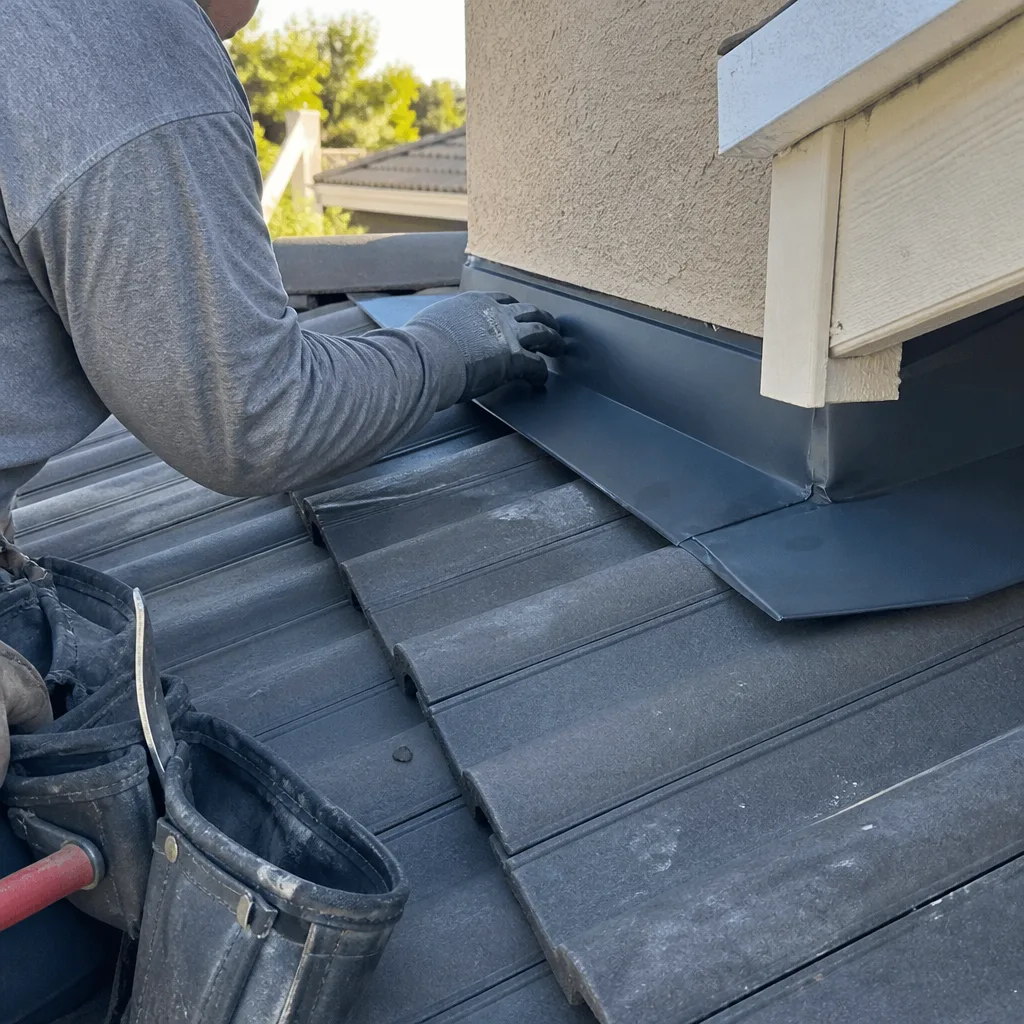
- Flashing details: Which penetrations get new flashing? Chimneys, skylights, vents, plumbing stacks. Each should be listed individually.
- Permit line item: If your job requires a Riverside city permit, the bid should state it plainly, including the fee and who handles the paperwork.
- Teardown and disposal: For replacements, this is a real cost center. Dump fees in Riverside County are not trivial, and a bid that doesn’t include disposal will hit you with a change order later.
- Payment schedule: Standard for Riverside is a deposit to schedule, progress payment at material delivery, final payment at completion and inspection. Never pay 100% upfront.
A bid should also include a written guarantee. At Tilehurst Roofing Riverside, every repair includes a written guarantee delivered before the crew leaves the property. It states exactly what’s covered and for how long. If the repair fails inside the guarantee period, we return at no charge under our 365-Day Done Right Promise. That’s the Kingswell Way: say the price before the work, show up in the window we gave, leave the place cleaner than we found it, put the guarantee in writing, come back if it fails.
Which Roofing Jobs Need a Riverside Permit
The City of Riverside building code is specific about roofing work. Here’s the simple version:
- Full roof replacement: Requires a permit. Always. This includes tear-off of the existing roof and installation of new roofing material.
- Structural repairs: If decking, rafters, or trusses are being replaced, a permit is required.
- Reroofing over existing material: In most cases, Riverside allows one overlay (new shingles over one existing layer) without a full tear-off, but it still requires a permit.
- Minor repairs: Replacing individual damaged shingles or tiles, resealing flashing, or fixing a small section of underlayment typically does not require a permit, as long as no structural components are touched.
- Skylight installation or replacement: Requires a permit because it involves cutting into the roof deck.
A licensed contractor will pull the permit for you and schedule the required inspection. If a contractor suggests skipping a permit on a job that clearly requires one, that’s a signal to find someone else. Our How to Hire a Roofing Contractor in Riverside: A Step-by-Step Guide covers the red flags to watch for. Unpermitted roofing work creates problems when you sell the home, and Riverside’s resale market is active enough that buyers and inspectors do check.
Signs Your Roof Needs Attention Before the Next Rain
Riverside’s dry season gives you a window to catch problems early, but only if you know what to look for. Here are the indicators that matter in this specific climate:
- Granule loss in gutters and at downspout bases: If you’re finding asphalt granules collecting in your gutters, your shingles are degrading from UV exposure. In Riverside’s heat, this happens faster than you might expect.
- Visible cracking or lifting at flashing points: Walk around your home and look at the chimney, the vents, the plumbing stacks. If the sealant around them is cracked or pulling away, that’s an active water entry point.
- Curling or cupping at shingle edges: Thermal cycling causes shingles to lose their bond. It starts at the edges and works inward.
- Sunlight visible inside the attic: If you can see pinpoints of light through the roof decking, water can get through the same gaps.
- Tile chips or fragments in the yard: Especially after Santa Ana wind events. Wind-blown branches crack concrete tiles. Each cracked tile is a potential water path.
- Staining on ceiling drywall or around attic vents: By the time you see this, the leak is established. Don’t wait for it to spread.
If you spot any of these, a Roof Repair in Riverside assessment will tell you whether it’s a $200 fix or something more involved. The assessment itself is free at Tilehurst, and it comes with a written price before any work starts. That means you know the number before you decide anything.
A Month-by-Month Maintenance Calendar for Riverside Homes
Here’s a maintenance schedule built specifically for Riverside’s seasonal rhythms, drawn from our Roofing Company Maintenance Checklist for Riverside Homeowners. It accounts for Santa Ana season, the first rain, and the long hot stretch where nothing seems to happen but UV keeps working.
- September: Pre-Santa Ana inspection. Check all flashing, reset any loose tiles, and clear debris from valleys and gutters. This is the single most important month for Riverside roof maintenance.
- October: Gutter cleaning and downspout flushing. Test drainage by running water through the system. A clogged downspout in October becomes a waterfall against your foundation in January.
- November: Post-first-rain inspection. Walk the attic after the first real storm and look for any moisture. This catches leaks while they’re still small.
- December: Santa Ana wind damage assessment. After each major wind event, check for lifted flashing and shifted tiles.
- January through March: Rainy season monitoring. Keep an eye on ceiling stains and attic moisture. Address any leak immediately, even if it seems minor. Small leaks in January become ceiling replacements in March.
- April through May: Post-rainy-season inspection. Assess any damage from winter storms and schedule repairs before summer heat sets in.
- June through August: Minimal active maintenance needed, but UV is working constantly. If you’re considering a full replacement, this is the ideal window for installation since dry weather means zero weather-related delays.
Greg Holloway, who leads Tilehurst Roofing Riverside, puts it simply: the roof tells you what it needs. You just have to check at the right times. September and November inspections prevent the vast majority of costly Riverside roofing problems.
Common Mistakes to Avoid
- Choosing materials based on coastal recommendations. A shingle that works great in San Diego’s mild, foggy climate may fail five to eight years earlier in Riverside’s UV and thermal shock environment. Choose for the inland valley specifically.
- Skipping the September inspection. Riverside homeowners routinely skip the pre-Santa Ana check, then discover wind damage in December when rain is already in the forecast. The repair window shrinks dramatically.
- Paying 100% upfront. A legitimate Riverside roofing contractor will not require full payment before work begins. The standard structure is deposit, progress payment, final payment after inspection.
- Accepting a bid without material specifications. “Shingles” is not a product. You should know the manufacturer, the line, and the warranty terms before signing anything.
- Ignoring small leaks because it’s “just a little water.” In Riverside’s dry climate, intermittent leaks get dismissed. But water intrusion doesn’t fix itself, and the dry periods just mask the continuing damage.
- Overlaying new shingles over failed decking. If the roof deck is compromised, a second layer of shingles won’t help. It just hides the problem until it becomes a full structural repair.
- Hiring on price alone without a written guarantee. The cheapest Riverside roof repair often becomes the most expensive one when it fails in three months and the contractor doesn’t return the call.
When to Call a Professional
Some roofing issues are obvious: visible ceiling stains, water pooling in the attic, tiles sliding off after a Santa Ana event. But Riverside’s dry climate creates subtler problems too. If you’re finding granules in your gutters, if your energy bills have crept up year over year, or if you simply can’t remember the last time anyone looked at the roof, that’s a signal to get a professional assessment. The work doesn’t always need to happen immediately. What matters is knowing what you’re facing. Tilehurst Roofing Riverside offers free estimates in Riverside. Call (562) 315-0297 and a live person answers, any time, day or night. We’ll give you a written price before any work starts, and you decide from there.
Frequently Asked Questions
A full roof replacement in Riverside typically costs between $12,000 and $28,000 for a standard 2,000 – 2,500 sq ft home, depending on material choice. Asphalt architectural shingles land at the lower end, concrete tile at the upper end, and metal roofing falls in the $22,000 – $40,000 range. Call (562) 315-0297 for an exact quote on your specific roof, estimates are free and written.
A properly installed concrete tile roof in Riverside lasts 40 – 60 years or more, with the underlayment typically replaced every 20 – 30 years. The tiles themselves handle Riverside’s thermal shock and UV exposure exceptionally well. The underlayment is the component that degrades first.
Yes, a full roof replacement in Riverside requires a city permit, and reroofing over existing material also requires a permit. Minor repairs like replacing individual shingles or resealing flashing typically do not. Your contractor should handle the permit application and scheduling the inspection.
In Riverside’s climate, we recommend a professional inspection at least once a year, ideally in September before Santa Ana season begins, and a second check after the first major rain. The dry climate hides damage, so the September inspection is the single most important maintenance action you can take.
Concrete tile is the best all-around choice for Riverside because its thermal mass resists the expansion and contraction that destroys other materials. Metal roofing reflects heat effectively and offers excellent longevity. Asphalt shingles work but will require replacement sooner in Riverside’s UV environment than coastal climate data suggests.
Most non-emergency repairs in Riverside can be scheduled within a few days to two weeks, depending on the season and material availability. Tilehurst Roofing Riverside gives you a written price before work begins and a written guarantee on every repair, so you know the timeline and the cost before you commit.
The Bottom Line
Roofing in Riverside is its own discipline. The UV intensity, Santa Ana wind season, and thermal shock cycle combine to create failure patterns that national guides don’t address. Concrete tile handles these conditions well but requires proper installation and underlayment. The dry season creates false confidence that leads to deferred maintenance and then expensive emergency repairs when rain finally arrives. What you need is a roof that’s inspected by someone who understands this specific climate, priced in writing before any work starts, and guaranteed in plain language afterward. For a complete Roof Replacement in Riverside assessment or a simple Tilehurst Roofing Riverside home visit, call (562) 315-0297. A live person answers. The estimate is free. The price you see is the price you pay.
Written by Greg Holloway, Owner at Tilehurst Roofing Riverside, serving Riverside since 2000.
See the difference
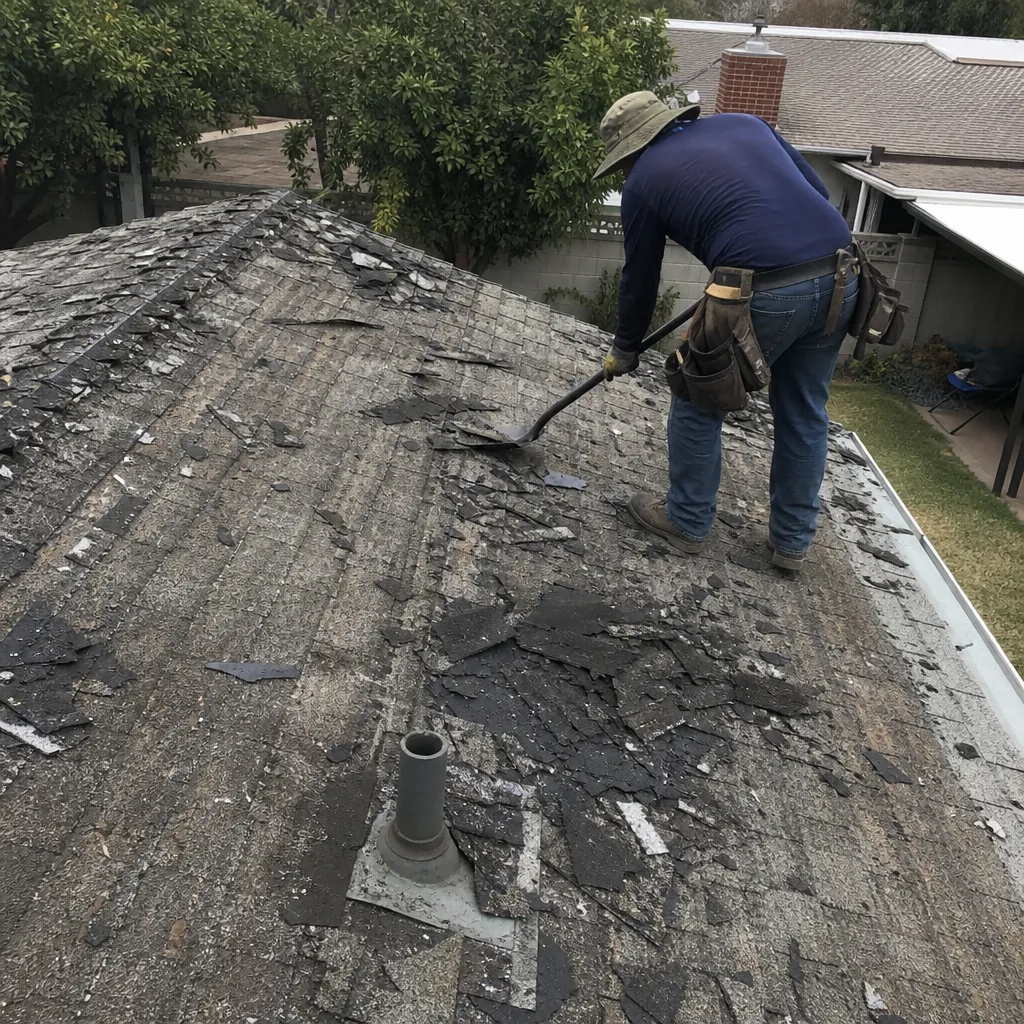 Before
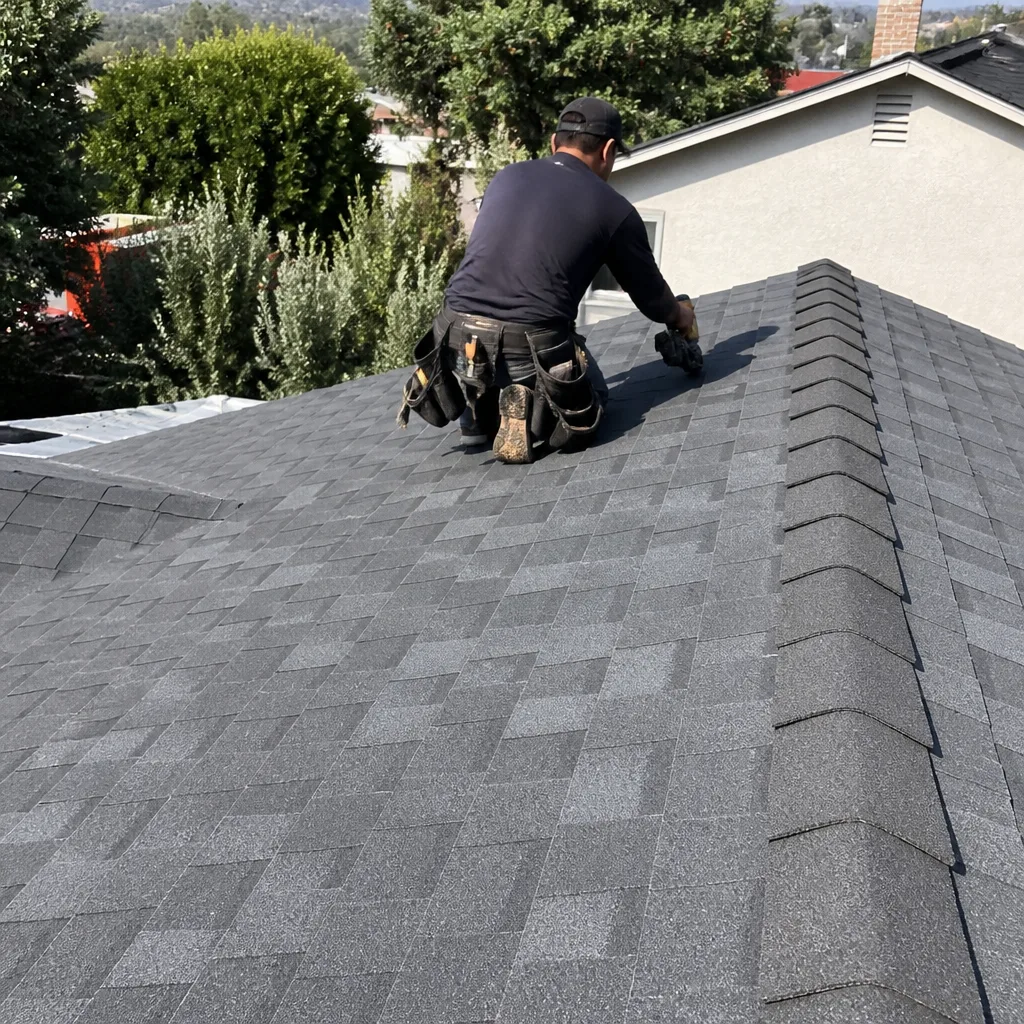 After
After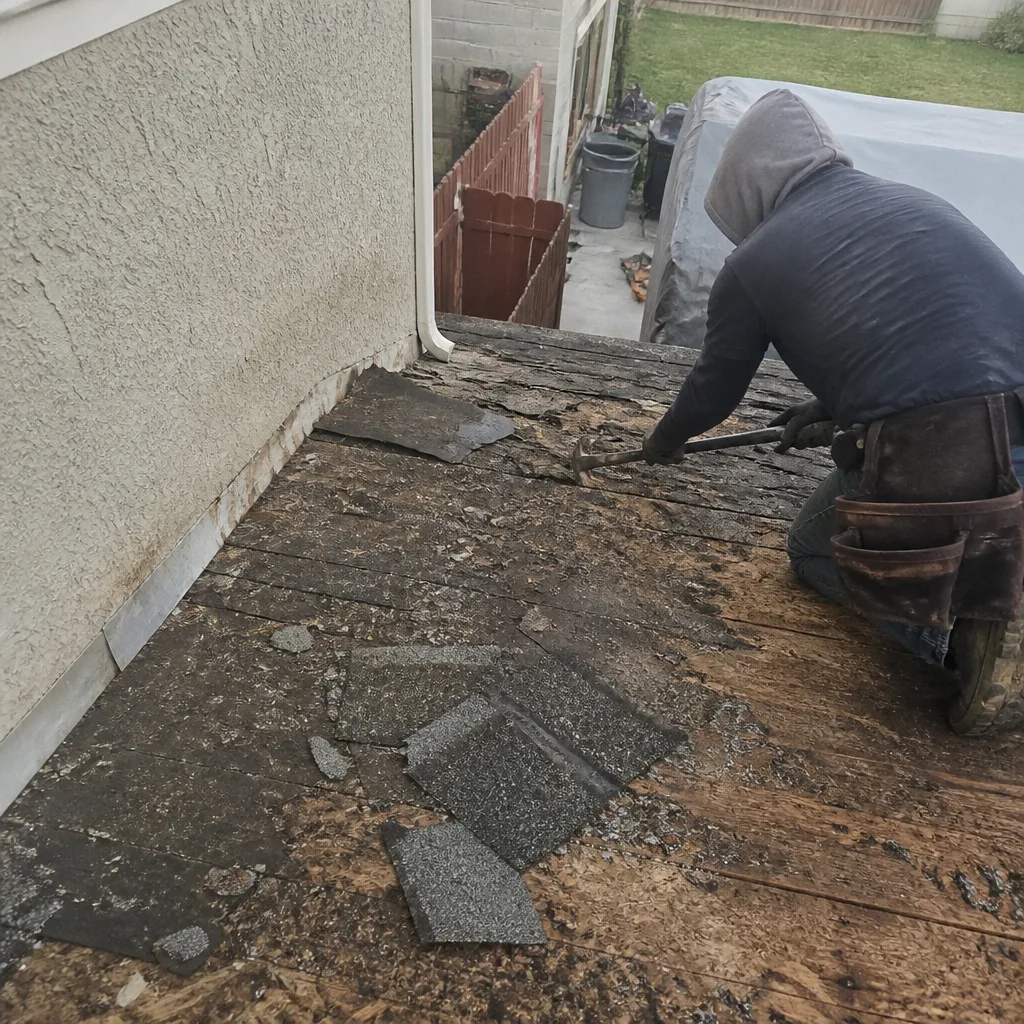 Before
 After
After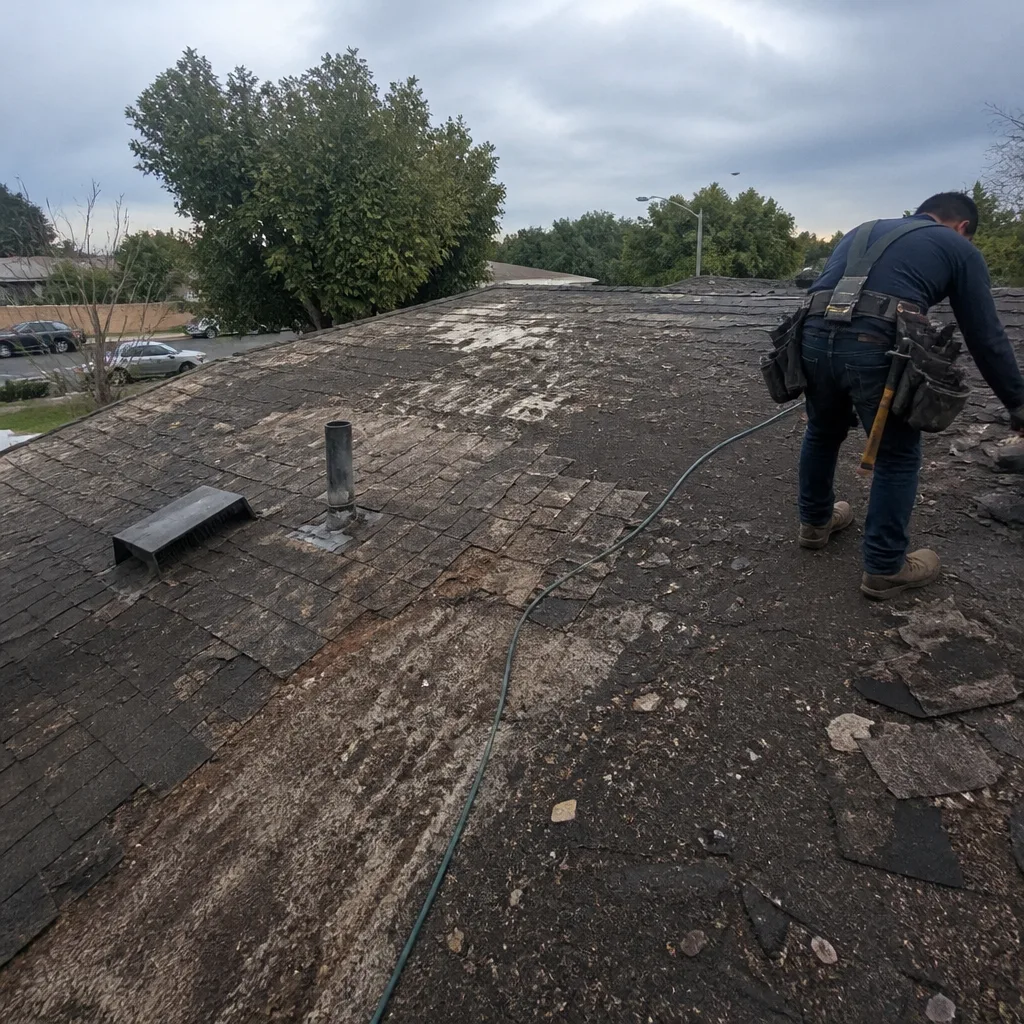 Before
 After
After